Senior Living Excellence: Lifestyle, Wellness, and Choice
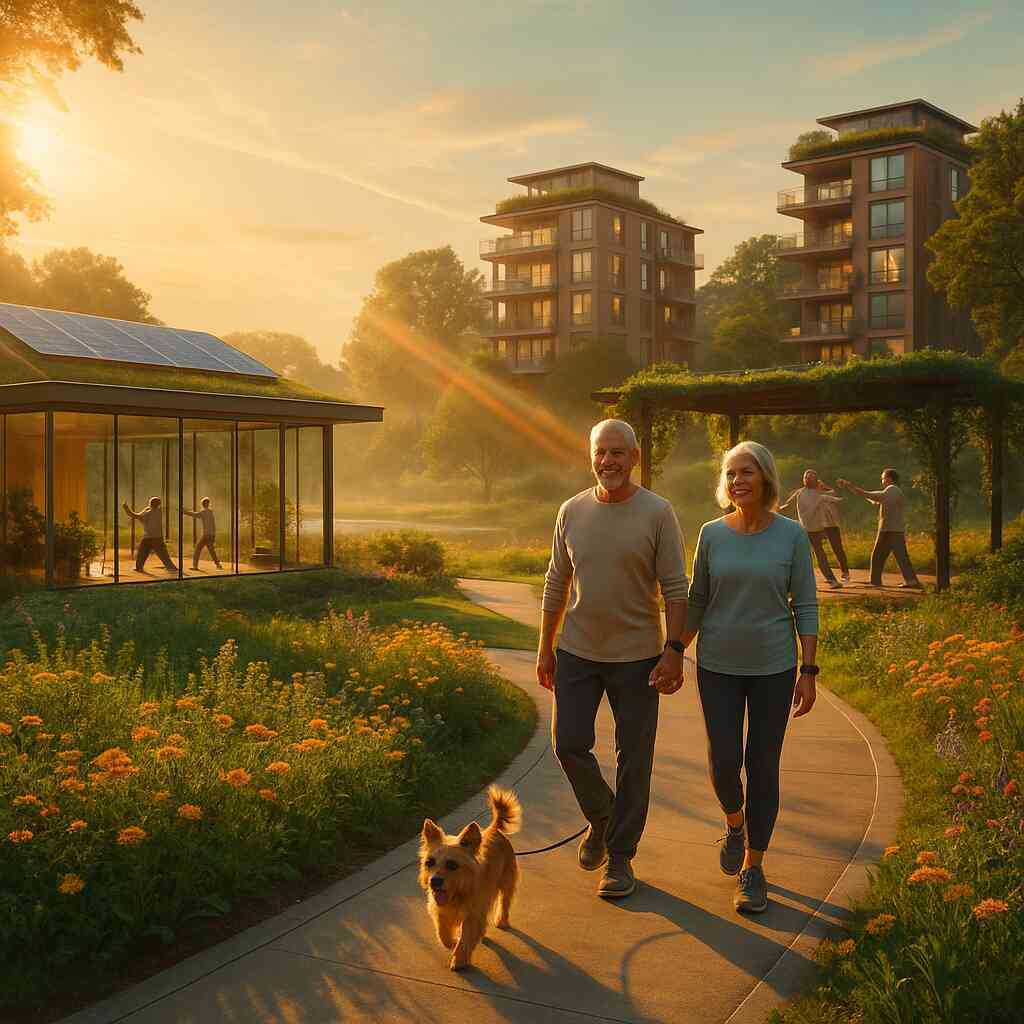
Redefining Senior Living in 2025
Modern senior living communities focus on purposeful living rather than institutional care. Residents expect vibrant social calendars, evidence-based wellness programs, and environments that honor independence while providing seamless clinical support when needed. This guide looks at how quality communities achieve that balance and what families should consider when comparing options.
From Care Facility to Lifestyle Hub
Traditional nursing homes centered on safety and basic health services. Contemporary communities still protect health, yet they weave support into a setting that feels more like a resort or small neighborhood. You will now find:
- Art studios, woodshops, and makerspaces for creative expression.
- Walking trails, indoor pools, and fitness hubs staffed by certified trainers.
- Restaurant-style dining rooms with open kitchens and rotating seasonal menus.
- Voice-activated lighting, adjustable countertops, and step-free bathrooms that make daily tasks easier without feeling clinical.
- Eco-friendly construction that improves air quality and lowers utility costs.
The result is a culture that sees older adulthood as a time for growth, not withdrawal.
Choosing a Community That Matches Personal Goals
The search often begins with a simple “senior living near me” query, but refining options takes more than geography. Experienced families weigh three pillars: care level, lifestyle fit, and financial model.
1. Care Level
Communities generally offer one or more of the following:
- Independent Living – Private apartments, hotel-style services, optional wellness check-ins.
- Assisted Living – 24-hour staff, help with activities of daily living, social programming.
- Memory Care – Secure environment, cognitive stimulation, staff trained in dementia support.
- Skilled Nursing or Rehabilitation – Licensed nurses, therapy gyms, complex medical oversight.
A good operator explains how residents can transition between levels if health needs change.
2. Lifestyle Fit
Visit during an actual activity, not just a scheduled tour. Join a fitness class, sample a meal, or chat with resident ambassadors. Compare:
- Variety and frequency of events on the social calendar.
- Intergenerational or volunteer partnerships that keep residents connected to the broader community.
- Cultural and spiritual offerings that honor diverse backgrounds.
- Technology access—from smart-home features to community apps for event sign-ups.
3. Financial Transparency
Request a line-by-line fee schedule. Key items to review include:
- Entrance deposits and refund provisions.
- Monthly service packages and what triggers rate adjustments.
- Ancillary charges such as personal laundry, salon services, or transportation beyond a set radius.
Clear financial communication builds trust and allows families to plan for the long term.
Building Blocks of Holistic Wellness
The industry is shifting from reactive health care to proactive wellbeing strategies supported by data and interdisciplinary teams.
Proactive Health Monitoring
Wearable devices—wristbands, smart socks, even mattress sensors—collect real-time vitals like heart rate, sleep cycles, and gait speed. Nurses receive alerts for deviations, enabling intervention before a minor issue escalates. Weekly care conferences turn these insights into personalized action plans residents co-author, reinforcing autonomy.
Benefits include:
- Fewer avoidable hospitalizations.
- Tailored exercise prescriptions based on actual mobility patterns.
- Medication reminders synced to biometric feedback.
- Peace of mind for distant family members who can view summarized wellness dashboards.
Nutrition That Fuels Aging Vitality
Dining programs now mirror farm-to-table restaurants, emphasizing fresh, minimally processed ingredients. Culinary teams collaborate with registered dietitians to create menus that:
- Prioritize lean protein, whole grains, and fiber-rich produce.
- Offer heart-healthy, diabetic-friendly, and renal options without sacrificing flavor.
- List allergens clearly and allow residents to customize portion sizes at digital kiosks.
Interactive cooking demonstrations encourage residents to replicate dishes in their apartment kitchens, reinforcing healthy habits.
Mental and Emotional Wellbeing
Cognitive health and emotional resilience remain top predictors of perceived quality of life. Effective programs combine:
- Brain fitness labs featuring neuro-gaming stations and language classes.
- Mindfulness sessions led by certified instructors, incorporating guided meditation and breathwork.
- Peer support circles that normalize discussions around grief, purpose, and adaptation.
- Pet therapy and horticulture programs shown to lower cortisol and boost mood.
Communities that nurture both mind and spirit cultivate a sense of belonging that can be as therapeutic as any medication.
Designing Environments That Promote Safety Without Sacrificing Style
Universal design principles are now standard in high-quality senior housing. Features include:
- Wide, flush thresholds to eliminate trip hazards.
- Lever door handles and touch-free faucets for arthritic hands.
- Non-glare flooring and circadian lighting that reduces fall risk and supports healthy sleep.
Smart-home integrations go further. Motion-sensing lights guide nighttime bathroom trips, while voice controls reduce the need to fumble with switches or remotes. Importantly, these technologies are discreet, so apartments feel like upscale condos rather than medical suites.
Cultivating a Community Culture of Choice
True excellence emerges when residents see themselves as co-creators rather than recipients of service. Successful operators invite feedback through town halls, digital suggestion boxes, and resident-led committees. Examples of resident leadership include:
- Curating monthly art exhibits in the lobby gallery.
- Negotiating with local farms to supply the community market.
- Mentoring high-school interns on intergenerational projects.
When seniors shape their environment, participation soars and wellbeing follows.
Key Takeaways
- Senior living in 2025 blends hospitality, healthcare, and technology to support autonomy and meaning.
- Comparing communities requires a close look at care levels, lifestyle programming, and transparent pricing.
- Wearables, data dashboards, and interdisciplinary teams make healthcare proactive rather than reactive.
- Nutrition, mental health, and universal design are integral to sustained vitality.
- Resident empowerment—through choices and leadership opportunities—turns a property into a true community.
A thoughtful search, multiple visits, and open dialogue with current residents will clarify which setting best aligns with specific aspirations and needs. With careful evaluation, older adults can find not just a safe place to live, but a vibrant place to thrive.
Ultimate Guide to Senior Living Excellence and Wellbeing


Comments
Post a Comment