Connected Assisted Living Innovations 2025 Locator Guide
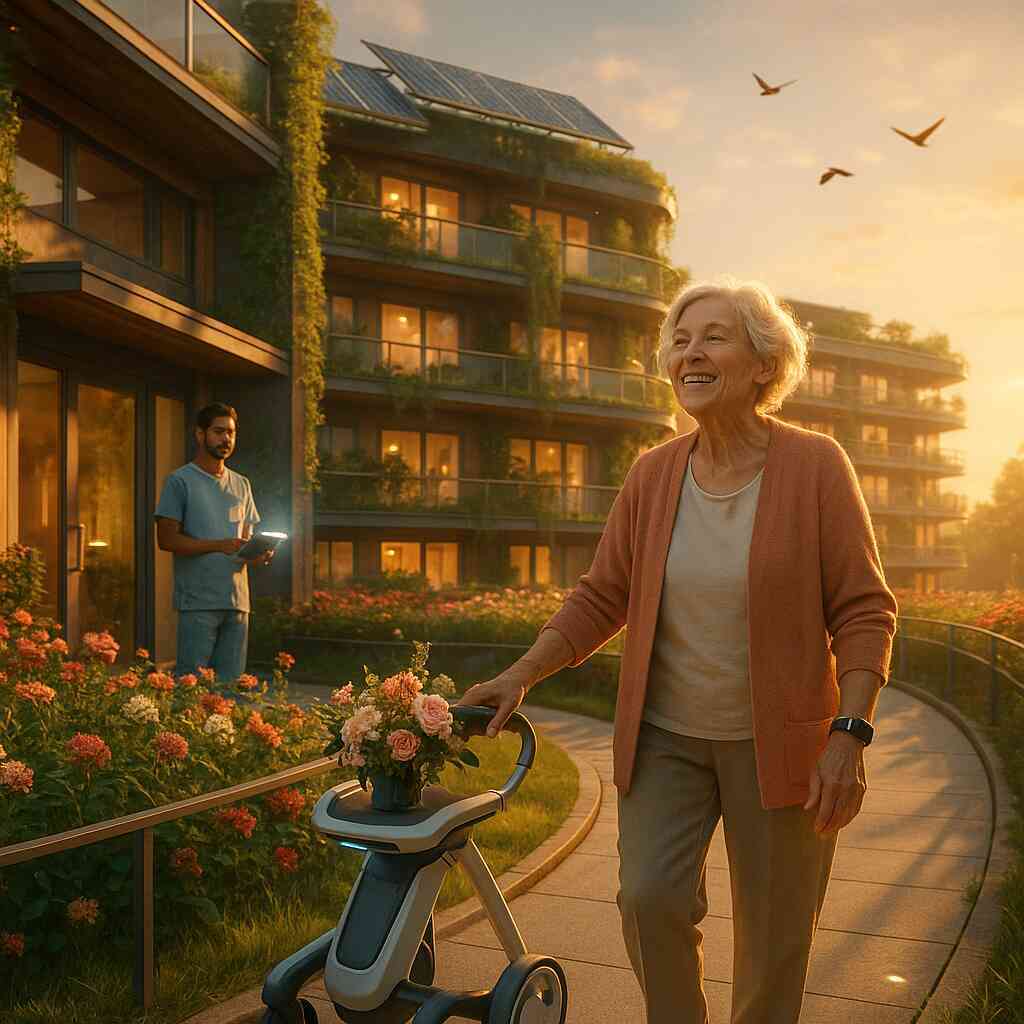
Navigating the New Landscape of Assisted Living
Smart sensors, flexible care plans, and data-driven safety standards are reshaping what “assisted living near me” means in 2025. This overview walks through the most important advances, the expectations behind today’s search trends, and practical steps for comparing communities.
From Long Corridors to Connected Suites
Traditional facilities relied on scheduled rounds and visual check-ins. Modern communities embed technology that works quietly in the background:
- Motion-activated lights reduce nighttime falls.
- AI fall-detection cameras recognize unusual movement within seconds.
- Voice controls let residents adjust temperature, call staff, or stream music hands-free.
- Telehealth kiosks bring physicians into the room, eliminating stressful travel.
The result is a living space that feels like a private apartment yet offers hospital-grade monitoring when needed.
Why Search Behavior Has Changed
Typing “senior living near me” is no longer a first exploratory step. Prospective residents and caregivers arrive with detailed checklists:
- Barrier-free layouts – zero-threshold showers, wide doorways, and adaptive furniture.
- Smart-home compatibility – willingness to integrate personal wearables, tablets, and hearing devices.
- Transparent pricing – clear explanations of base rent, care tiers, and what happens if needs escalate.
- Lifestyle programming – rooftop gardens, lifelong-learning classes, and culturally relevant meals.
Communities that cannot address these topics upfront are quickly filtered out.
Building a Shortlist With an Online Locator
A modern locator tool compresses weeks of phone calls into a guided three-step flow:
- Clarify goals
Define the level of help required with bathing, dressing, medication, or memory care. - Compare options
Review floor plans, safety technology, staff ratios, and resident reviews side by side. - Connect directly
Schedule virtual or in-person tours, share medical documents securely, and store notes for family discussion.
Because data is standardized, it is easier to weigh a tech-forward assisted-living suite against an independent 55+ apartment or a full skilled-nursing wing.
Personalization Becomes the Gold Standard
Communities now harness continuous data streams—not to intrude, but to fine-tune support:
- Predictive analytics flag subtle gait changes or disturbed sleep patterns before a fall or infection occurs.
- Individual activity schedules match personal interests, whether gardening, VR travel, or choral singing.
- Dynamic meal planning accounts for blood-sugar trends, allergies, and cultural preferences.
Families gain peace of mind knowing the plan evolves without forcing a disruptive move.
Continuum-of-Care Campuses
Many providers house multiple care levels on one property:
- Independent cottages for active adults.
- Assisted-living suites with on-call nursing.
- Memory-care neighborhoods featuring color-coded wayfinding and multisensory therapy rooms.
- Skilled-nursing centers offering rehabilitation or long-term medical oversight.
A resident can start in the cottage and transition seamlessly as health needs change, maintaining familiar surroundings and staff relationships.
Designing for Proactive Safety
Architecture now treats sensors as standard infrastructure:
- Pressure mats confirm safe bed exits.
- Environmental monitors maintain circadian lighting and healthy air quality.
- Wearables integrate with nurse dashboards, giving staff a holistic view of vital signs and location.
Instead of reacting after an incident, caregivers intervene early—often preventing hospital visits altogether.
Key Questions to Ask During a Tour
- What technologies monitor resident safety, and how is data secured?
- How are care plans updated when analytics reveal a change?
- Can residents keep personal smart devices connected to the community network?
- What telehealth partnerships are in place for primary and specialty care?
- How does pricing adjust if a resident later needs memory care or skilled nursing?
- What programs support social engagement and purpose?
Documenting answers helps compare communities on more than décor or first impressions.
Practical Tips for Families
- Start the search early. High-demand tech-enabled units can have waitlists.
- Share real scenarios. Describe medication routines, mobility limits, and hobbies so tour staff demonstrate relevant solutions.
- Review security and privacy policies. Connected care is only reassuring when data governance is clear.
- Visit at different times. An evening or weekend stop shows staffing patterns beyond the polished daytime tour.
Looking Ahead
As sensor costs fall and interoperability standards mature, even smaller regional providers are adding connected-care features. Expect voice interfaces to grow more conversational, predictive analytics to become sharper, and sustainability measures—like solar roofs and grey-water recycling—to join the checklist.
For families and future residents, the takeaway is encouraging: choice is broader, safety is smarter, and living spaces feel more like home than ever before. A thoughtful use of online locator tools, on-site questions, and tech literacy will ensure the next address supports both independence and peace of mind.
Navigating Assisted Living Innovations Near You


Comments
Post a Comment