Resident Transit Upgrades in Senior Living Communities
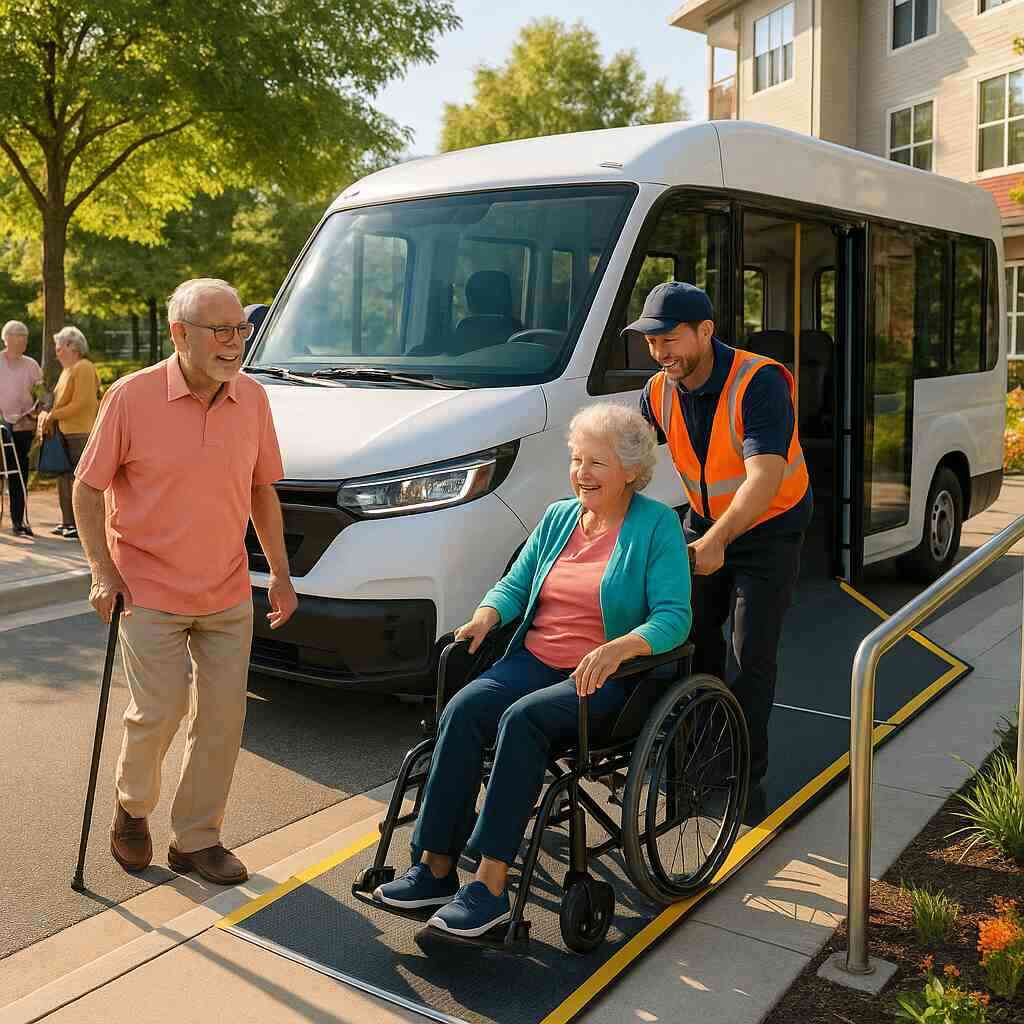
Older adults want the same things every traveler wants: safety, control, and a destination worth the trip. In senior living communities, well-designed transportation programs turn those basic desires into daily reality. This overview explains how modern facilities plan, operate, and continually refine resident transit so that every ride supports health, independence, and social connection.
Why Mobility Matters
Staying mobile is more than a convenience. Research consistently links regular out-of-home activity with stronger cognition, lower depression, and better overall longevity. When rides are predictable, residents feel confident scheduling medical visits, attending worship, or simply joining friends for lunch. The result is a stronger sense of purpose that medicine alone cannot supply.
Key Benefits Residents Notice
- Less isolation: Shared shuttles encourage conversation and new friendships.
- Reduced stress: Knowing a vehicle will arrive on time eliminates worries about driving or parking.
- Better adherence to care: Timely transport keeps medical appointments on the calendar.
- Greater independence: Choosing destinations and departure times maintains a sense of control.
Building an Effective Transit Ecosystem
A single shuttle loop rarely covers every need. Successful operators create a flexible network that blends onsite vehicles, staff coordination, and outside partnerships.
1. Dedicated Transportation Coordinator
One staff member tracks rider requests, manages the schedule, and troubleshoots last-minute changes. Central oversight prevents double bookings, minimizes wait times, and keeps riders informed of any weather or traffic delays.
2. ADA-Compliant Fleet
Most campuses keep a mix of vehicles:
- Small cutaway buses for peak outings
- Minivans with side ramps for narrow streets
- Sedans or hybrid cars for one-or-two-passenger medical trips
All lifts, tie-downs, and handrails receive documented weekly inspections. A simple dashboard flags maintenance needs before a breakdown strands passengers.
3. Layered Service Options
- Fixed weekly routes to grocery stores, pharmacies, and libraries
- On-demand trips for health appointments
- Evening or overflow rides through vetted senior-friendly ride-share partners
- Seasonal charters to festivals, parks, and cultural venues
Residents can mix and match, ensuring that those who thrive on routine and those who crave spontaneity both stay satisfied.
Designing for Dignity and Safety
Transportation is often the first point of contact between a resident and the outside world that day. Thoughtful design turns boarding into a positive ritual.
Accessible Loading Zones
- Covered walkways protect riders from rain and sun.
- Non-slip surfaces and contrasting paint highlight curb edges.
- Benches with arms give passengers a stable place to rest while waiting.
Interior Comfort Features
- Wide aisles accommodate walkers and scooters without awkward maneuvering.
- Seat belts are easily reached and adjusted by arthritic hands.
- Adjustable climate control prevents chills or overheating, common causes of dizziness in older adults.
- Soft lighting and calming artwork reduce visual strain and spark conversation.
Staff Training Essentials
Drivers learn more than defensive driving. Core modules include:
- Safe transfer techniques and fall-prevention cues
- Communication strategies for riders with hearing or cognitive impairment
- Emergency medical response and evacuation protocols
A warm greeting by name sets the tone for the entire outing, reinforcing that every passenger is valued.
Leveraging Technology Without Overcomplicating
Many residents grew up long before smartphones, yet they still appreciate the clarity that technology can bring.
- Digital trip boards in the lobby display today’s departures in large, high-contrast text.
- Automated phone calls or voice messages confirm next-day medical pick-ups.
- GPS tracking allows coordinators to provide real-time updates to waiting riders or family members.
Behind the scenes, route-optimization software groups riders by destination and mobility needs, trimming both fuel costs and travel times.
Funding and Cost Management
Operating a fleet is not cheap, but thoughtful planning keeps programs sustainable.
- Combine outings: A library stop can be paired with a nearby grocery store, serving two purposes with one loop.
- Negotiate group discounts: Health systems, museums, and theaters often provide reduced admission for bundled senior visits, offsetting transit expenses.
- Tap local grants: Many municipalities provide subsidies for paratransit, environmental initiatives, or rural access.
- Track utilization: Accurate data prevents over-scheduling large buses when a van will do, or vice versa.
Measuring Success
Numbers alone never tell the whole story, yet they guide continual improvement.
- Ridership rates: How many unique residents used the service this month?
- On-time performance: Does the shuttle leave and arrive when promised?
- Incident reports: Are falls, lift malfunctions, or near misses decreasing over time?
- Resident satisfaction: Short surveys after outings reveal what is working and where to adjust.
Facilities that publish these metrics internally build trust and invite fresh ideas from both staff and residents.
Practical Tips for Families Evaluating a Community
When touring potential homes, transportation details signal how deeply the facility values autonomy and engagement.
- Ask to see the fleet: Are vehicles clean, well-marked, and properly equipped with lifts or ramps?
- Review the schedule: Is there a printed or digital calendar showing regular outings and on-demand options?
- Meet the coordinator: A brief conversation can reveal whether requests are handled proactively or reactively.
- Speak with current riders: Their stories will quickly confirm whether advertised services run as promised.
Looking Ahead
As 2026 progresses, demand for senior transport will only grow. Electric shuttles, micro-transit models, and integrated health-care portals are already entering the conversation. Yet the core mission stays the same: deliver safe, reliable rides that keep older adults connected to the people and activities that give life meaning.
Communities that treat transit as a pillar of wellness—not an afterthought—create environments where residents wake each day eager for the journey ahead.
How Senior Living Facilities Improve Resident Transit


Comments
Post a Comment