Hidden Trends Shaping U.S. Senior Living Facilities 2026
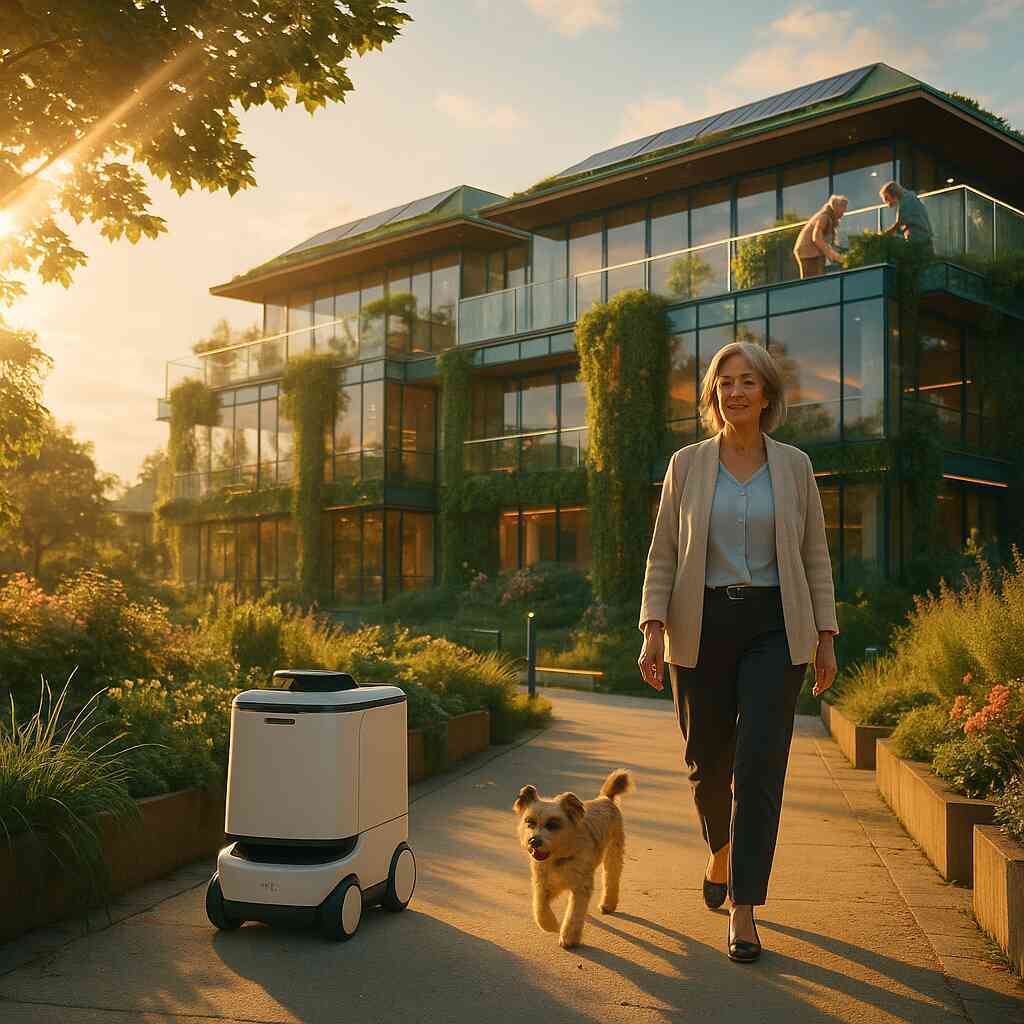
Unlocking the Next Era of Senior Living
Modern senior living facilities are moving far beyond the historical image of nursing homes. In 2026, families type “senior living near me” expecting environments that honor identity, encourage purpose, and quietly weave technology into daily routines. This guide explores the most important shifts now redefining communities for adults 55 + and how operators, residents, and loved ones can prepare.
1. Search Behaviors Are Redrawing the Map
The first wave of change is visible in online search patterns. Prospective residents and adult children now start their research years earlier, comparing floor plans, social calendars, and wellness ratings with the same ease once reserved for hotels. Three take-aways stand out:
- Local matters, but comparison is national. A parent may wish to remain in town, yet today’s directories let families benchmark costs and amenities across state lines in minutes.
- Amenities filter the short list. Walkable downtown locations, pet-friendly policies, and continuing education studios frequently top the must-have list, outranking square footage.
- Transparency builds trust. Communities that publish staffing ratios, activity calendars, and sample dining menus earn a decisive advantage before any tour is booked.
2. From Reactive Care to Anticipatory Ecosystems
Traditionally, senior communities intervened after a fall, infection, or medication error. In 2026 the model flips: data, sensors, and trained staff collaborate to predict and prevent setbacks.
How it works
- Continuous sensing collects sleep quality, gait speed, and room lighting levels.
- Predictive analytics in senior care analyze micro-changes—such as a 3 % drop in step count—to estimate fall risk.
- Actionable prompts reach nurses and wellness coaches in plain language: “Encourage ankle-strength exercises this week.”
- Family portals translate data into calm, practical updates instead of alarming red flags.
Impact on residents
- Fewer emergency transfers and shorter hospital stays.
- Higher perception of control because changes are explained, not imposed.
- Staff freed from paperwork can spend more time in meaningful conversation.
3. Personalized Algorithms, Human Judgment
Algorithms only succeed when they respect individuality. Leading communities embrace three safeguards:
- Opt-in design. Residents can pause or adjust monitoring without penalty.
- Interdisciplinary audits. Geriatricians, occupational therapists, and data scientists review recommendations weekly to spot bias or drift.
- Visible purpose. Staff training stresses that technology amplifies, not replaces, human connection.
In practice, a resident who loves jazz might see music therapy sessions scheduled after lunch, while another who sleeps lightly can request motion-activated night lighting. These micro-customizations help each person feel seen.
4. Strengthening the Social Fabric
A sophisticated health dashboard means little if community life feels lonely. Operators now treat social design as seriously as building codes. Four approaches dominate:
- Small-group neighborhoods. Twenty-unit clusters promote familiarity without sacrificing privacy.
- Program co-creation. Residents vote on weekly classes, music styles, and cultural outings, ensuring relevance.
- Intergenerational connections. On-site preschool partnerships and remote reading programs link elders with children, improving mood and cognitive health for both groups.
- Pet integration. Walking paths, grooming stations, and emergency pet-care plans reduce a common barrier to relocation.
5. Mobility and the Rise of On-Demand Services
Transportation once depended on a fixed shuttle schedule. Today, subscription-based ride services, autonomous vans on closed campuses, and virtual reality excursions expand horizons even for residents who no longer drive. Benefits include:
- Spontaneous social outings rather than scripted trips.
- Better access to specialty medical appointments across town.
- Reduced caregiver burnout because travel no longer hinges on family availability.
6. Wellness Economics: Redirecting Dollars
Proactive care is proving less expensive than crisis response. Communities reallocating funds from ambulance rides to enrichment programs report:
- Lower overall medical costs.
- Higher occupancy rates due to a reputation for vibrant living.
- Resources available for sustainability upgrades such as solar panels and native landscaping, aligning with resident values.
7. Practical Tips for Families Starting the Search
- List non-negotiables early. Identify must-have medical support, cultural preferences, and budget parameters before touring.
- Ask about data governance. Clarify how biometric information is stored, who views it, and whether residents may opt out.
- Observe social rhythms. Visit unannounced during meal service or an evening activity to gauge authentic energy.
- Review staff tenure. Longevity often signals a positive workplace culture that will benefit loved ones.
- Compare fall-prevention results, not promises. Communities embracing predictive analytics should provide year-over-year outcome data.
8. Action Steps for Operators
- Conduct a technology audit to confirm all devices integrate into one secure platform.
- Create a resident tech council so feedback loops remain active.
- Invest in staff education on empathy and digital literacy equally.
- Publicize transparent quality metrics—families will soon expect nothing less.
Looking Ahead
The senior living facility of 2026 blurs the line between home, wellness clinic, and lifelong learning campus. Predictive analytics catch small problems early, while person-centered design keeps community life rich and adaptable. Whether you are a prospective resident, a family advocate, or an industry professional, understanding these hidden trends positions you to make better decisions and shape environments where older adults can thrive with dignity and joy.
Unlocking Hidden Trends in Senior Living Facilities 2026


Comments
Post a Comment