How Senior Living Communities Improve Health and Longevity
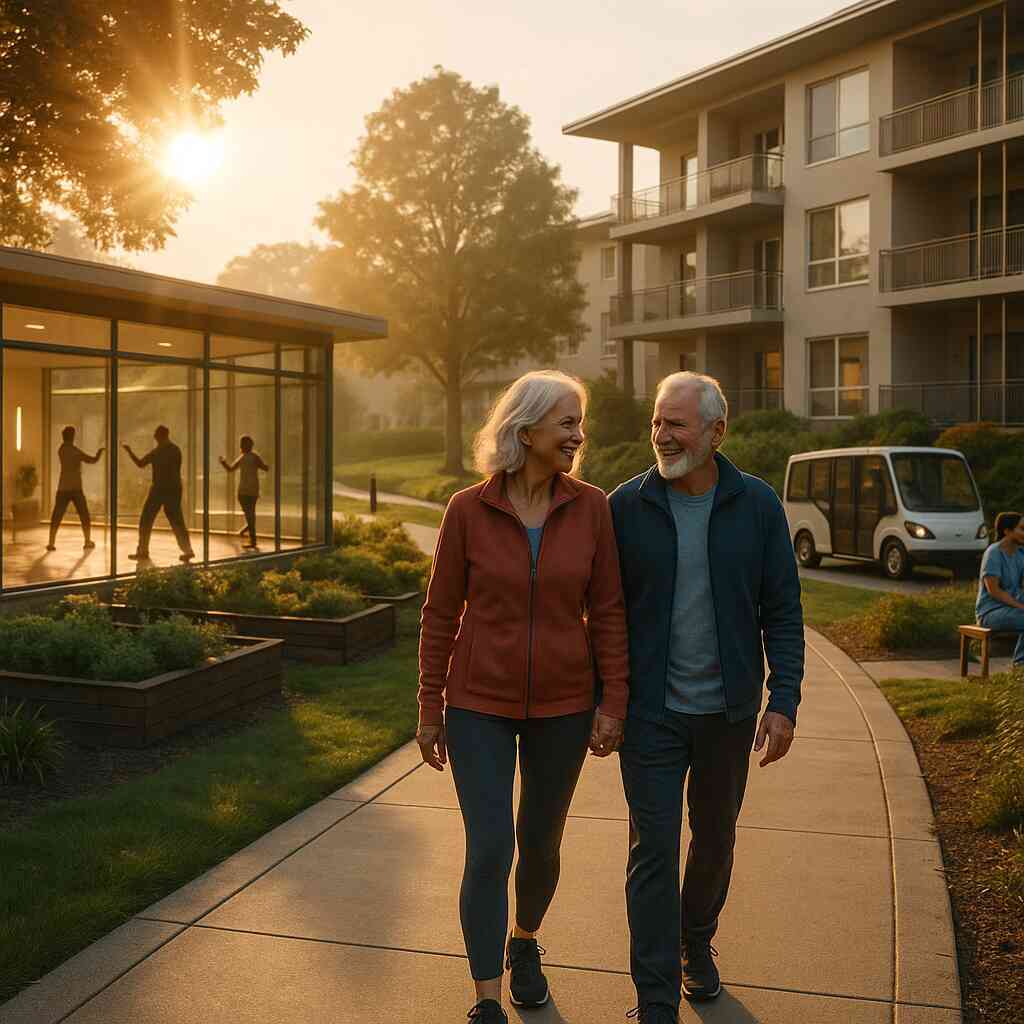
Senior Living Communities: A Proven Path to Better Health
Choosing a senior living community is no longer just a housing decision; it is a proactive health strategy. Research and on-the-ground experience show that well-run communities reduce hospital visits, foster active lifestyles, and protect cognitive function. This guide explains why the right setting can add quality years, outlines the major community models, and highlights design features that keep residents safe and engaged.
Why Community Living Often Outperforms Aging in Place
Older adults who remain in traditional homes face three persistent risks: social isolation, uneven nutrition, and delayed medical attention. A purpose-built senior community tackles each risk by design.
- Continuous health monitoring – Onsite nurses and caregivers notice subtle changes in gait, appetite, or mood and can alert physicians before small issues become crises.
- Built-in social life – Daily programs, group dining, and peer support counteract loneliness, which is linked to depression, memory loss, and higher mortality.
- Balanced meals and fitness – Chef-planned menus meet heart-healthy and diabetes-friendly standards, while instructor-led exercise classes maintain strength and balance.
When these supports are bundled under one roof, hospitalization rates drop and residents maintain independence longer than peers who live alone.
Understanding the Spectrum of 55+ Community Models
1. Independent Living Apartments
Ideal for active adults who still drive and manage medications but prefer a maintenance-free lifestyle. Amenities often include housekeeping, transportation, and optional meal plans. The environment feels like a resort neighborhood with a subtle safety net.
2. Assisted Living Suites
Designed for seniors who need help with daily tasks such as dressing, bathing, or medication management. Care teams provide scheduled support while encouraging residents to do as much as they comfortably can on their own.
3. Memory Care Neighborhoods
Specialized, secure wings support individuals with Alzheimer’s disease or other forms of dementia. Staff receive extra training in redirection techniques, and layouts minimize confusion with clear sightlines and color cues.
4. Continuing Care Retirement Communities (CCRCs)
Also called life-plan communities, CCRCs offer independent living, assisted living, and skilled nursing on one campus. Residents move through care levels without leaving familiar surroundings, preserving friendships and medical records.
Understanding these tiers helps families plan for today’s needs while safeguarding tomorrow’s possibilities. Moving once into a campus that can flex with changing health often prevents emergency relocations later.
Evidence-Based Care Woven Into Daily Routines
Modern senior housing teams translate clinical research into everyday actions:
- Personalized wellness plans – Nurses, dietitians, and physical therapists collaborate to set fitness goals, fine-tune medications, and schedule preventive screenings.
- Data-driven oversight – Digital charting tracks vital signs, weight, and mobility trends, triggering alerts when a resident deviates from baseline.
- Therapeutic leisure – Art, music, and intergenerational programs stimulate the brain and nurture a sense of purpose, shown to slow cognitive decline.
Residents rarely feel like patients. Instead, evidence-based best practices quietly shape menus, class schedules, and social calendars so that healthy choices become the default.
Design Elements That Prevent Falls and Promote Mobility
Falls remain the leading cause of injury-related decline in older adults. Purpose-built communities address the hazard from the ground up:
- Wide, well-lit corridors and zero-threshold entrances
- Non-slip flooring with contrasting colors to aid depth perception
- Handrails positioned at ergonomic heights along common paths
- Motion-activated night lights to eliminate dark patches
- Walk-in showers with built-in seating and adjustable shower wands
Architecture is only half the solution. Certified fitness instructors lead balance classes, and occupational therapists conduct periodic gait assessments so a resident can receive an assistive device before a stumble becomes a fracture.
Whole-Person Wellness: Beyond Physical Health
Longevity is meaningful only when paired with a vibrant sense of well-being. Leading communities address four pillars:
- Physical – Strength training, yoga, aquatic therapy, and low-sodium, high-flavor cuisine.
- Cognitive – Brain games, book clubs, and lifelong learning seminars keep neurons firing.
- Emotional – Group outings, pet therapy, and resident councils foster connection and agency.
- Spiritual – Meditation rooms, chaplain visits, and multi-faith services honor diverse beliefs.
Residents who engage across all four pillars report higher life satisfaction and demonstrate slower functional decline.
Key Questions to Ask When Touring a Community
- What is the nurse-to-resident ratio on each shift?
- How are care plans created and updated?
- Which fitness and therapy options are included in the base fee?
- How does the dining program accommodate special diets?
- What fall-prevention and emergency response systems are in place?
- Can residents transition to higher levels of care without changing campuses?
Thoughtful answers indicate a culture of proactive wellness, not reactive care.
Final Takeaway
A well-chosen senior living community can extend both lifespan and health span by weaving clinical oversight, social engagement, and safety-first design into everyday life. For older adults and their families, the decision is less about relinquishing independence and more about securing the resources that help independence endure.
When evaluating options, look beyond appearance to the programs, staffing, and evidence-based practices that quietly drive better outcomes. The right community does not simply add years to life; it adds life to years.
Senior Living Facilities' Impact on Health and Longevity


Comments
Post a Comment