Modern Senior Living Facilities: Care, Community, Choice
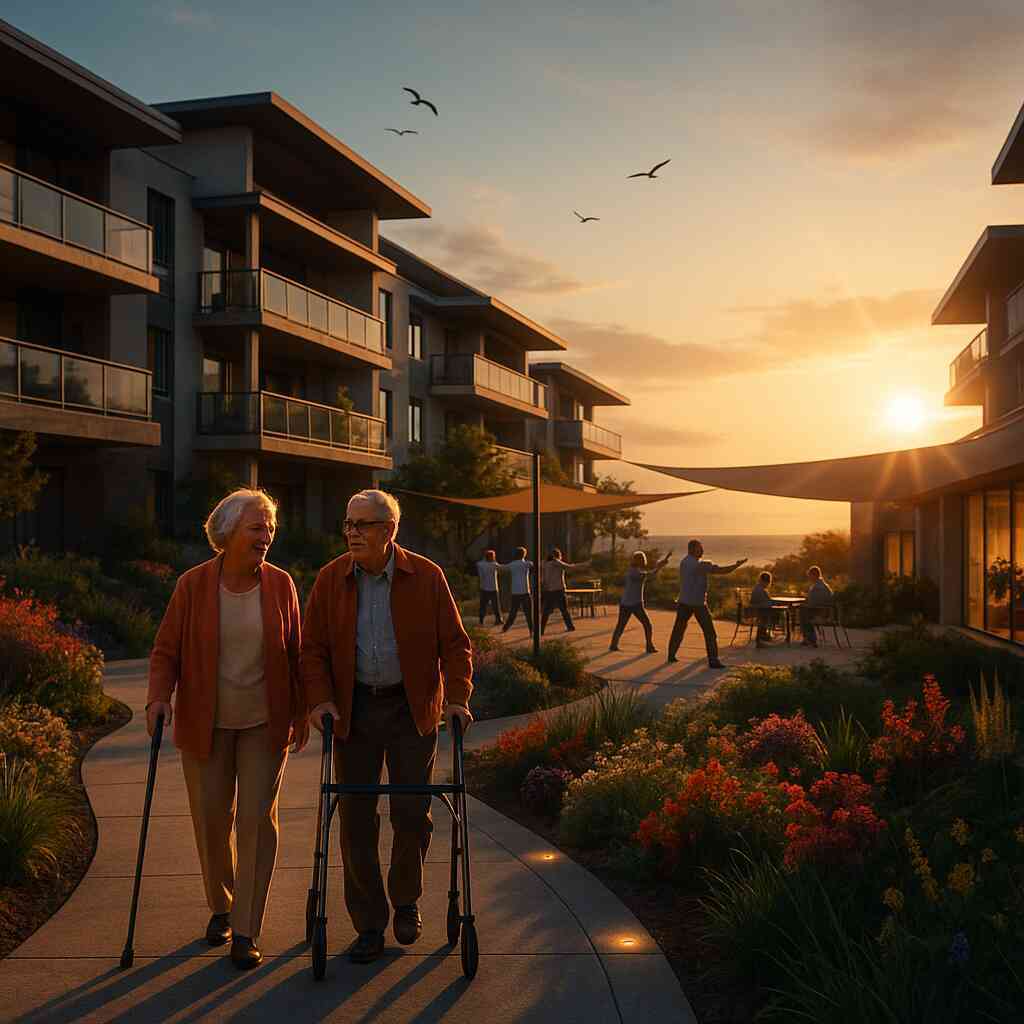
Understanding the Impact of Senior Living Facilities
Today’s senior living facilities have little in common with the institutional nursing homes many people still picture. They now blend hospitality, preventive health care, and purposeful lifestyle programming under one roof. This overview explains how these communities work, what makes each level of care different, and the practical steps that help families choose with confidence.
1. From Institutions to Integrated Campuses
Newer campuses are designed for residents to age in place. A resident might start in a spacious independent apartment, move to an assisted living suite when daily tasks become tricky, and eventually enter long-term care without leaving the property. Key benefits of this model include:
- Continuous medical records and familiar staff
- Minimal disruption to friendships and routines
- Clear cost expectations as needs change
2. Defining the Main Housing Options
Independent Living
Ideal for active adults who want fewer household chores but still value privacy. Services often include housekeeping, chef-prepared meals, fitness classes, and scheduled transportation. Medical care is not built-in, yet 24-hour staff provides emergency response.
Assisted Living
Adds help with activities of daily living such as bathing, dressing, or medication reminders. Licensed nurses coordinate care plans, and personal alert systems are standard. Residents keep private apartments but have ready access to clinical support.
Memory Care
A secure, staff-intensive setting for individuals with Alzheimer’s disease or other dementias. Layouts prevent wandering, and programming focuses on cognitive stimulation, sensory cues, and family engagement.
Skilled Nursing / Rehabilitation
Provides the highest medical oversight, including wound care, IV therapy, and post-surgical rehab. Rooms resemble small hospital suites, yet social activities and communal dining still play a role in recovery.
3. Why Social Design Matters
Loneliness is a significant risk factor for depression, heart disease, and cognitive decline. Well-designed senior communities counteract isolation through:
- Central coffee bars that invite conversation
- Hobby studios stocked for art, woodworking, or quilting
- Walking paths and courtyard gardens that double as meeting spots
- Intergenerational programs that welcome children and volunteers
Residents choose when to join group events or enjoy quiet time, keeping autonomy intact while making connection easy.
4. Health Care That Stays in the Background
Many older adults hesitate to move because they fear losing independence. Modern facilities address this by weaving health supports into everyday life without making them the focal point:
- Discreet wearable devices monitor vital signs and summon aid if needed.
- On-site clinics handle routine lab work or therapy sessions, cutting down on off-campus appointments.
- Wellness teams track nutrition, fitness goals, and chronic conditions, acting before minor issues escalate.
Residents spend less time worrying about logistics and more time pursuing interests.
5. The Assisted Living Locator Advantage
Online searches can blur together floor plans, price lists, and glossy photos. A professional locator simplifies the process:
- Profile Review – Gathers medical history, mobility level, dietary needs, and budget range.
- Shortlist Creation – Ranks communities by distance to friends, physicians, or faith centers, plus staffing ratios and care scalability.
- Virtual or In-Person Tours – Prepares comparison worksheets so families notice behind-the-scenes details: emergency call response times, staff turnover, and resident satisfaction scores.
- Transition Planning – Coordinates movers, medication transfers, and welcome visits to smooth the first weeks.
Using objective guidance saves time and reduces the risk of an avoidable second move.
6. Practical Scenarios: Carol & Miguel
Carol, a retired teacher, chooses independent living for the social calendar. She enjoys weekly excursions and never worries about cooking. When she sprains an ankle, the community arranges temporary ride services while she heals—no change of address required.
Miguel, a widower with diabetes, opts for assisted living. Nurses handle his insulin schedule, and fall-sensing flooring in the bathroom adds peace of mind. As his condition stabilizes, he joins the same excursions Carol enjoys, illustrating how service layers flex without limiting lifestyle.
Both neighbors retain autonomy yet receive support tailored to personal health profiles.
7. Questions to Ask on Any Tour
- What is the staff-to-resident ratio during days, evenings, and overnights?
- How are care plan changes communicated to families?
- Are nurses on site 24/7 or on call?
- Which services cost extra beyond the base rate?
- How does the community foster resident leadership in clubs or committees?
- What emergency power and water systems protect residents during storms?
Clear answers reveal whether a facility’s culture matches marketing claims.
8. Budgeting for the Long Term
Monthly fees vary widely by geography and amenity package, but a realistic plan accounts for:
- Base rent (housing, meals, activities)
- Care level surcharges tied to personal assistance minutes
- Annual rate increases (often 3–6 %)
- Ancillary charges such as salon visits or guest meals
Financial advisors often recommend balancing home-sale proceeds, Social Security, pensions, and long-term-care insurance to cover at least three to five years of projected costs.
9. Key Takeaways
- Modern senior living facilities combine hospitality and health care, letting residents age in place gracefully.
- Independent, assisted, memory, and skilled nursing settings form a flexible continuum rather than isolated silos.
- Thoughtful architecture and robust programming fight isolation, improving overall wellness.
- Professional assisted living locators cut through marketing noise and align choices with real-world needs.
- Asking targeted questions about staffing, emergency planning, and future pricing protects families from surprises.
Final Thought
Choosing a senior living community is ultimately about maintaining control—of health, time, and relationships. By understanding the full range of services and focusing on personal priorities first, older adults and their families can turn what once felt like a daunting transition into an opportunity for renewed purpose and connection.
Understanding the Impact of Senior Living Facilities


Comments
Post a Comment