Senior Living Trends 2025: Tech-Enabled Care & Community
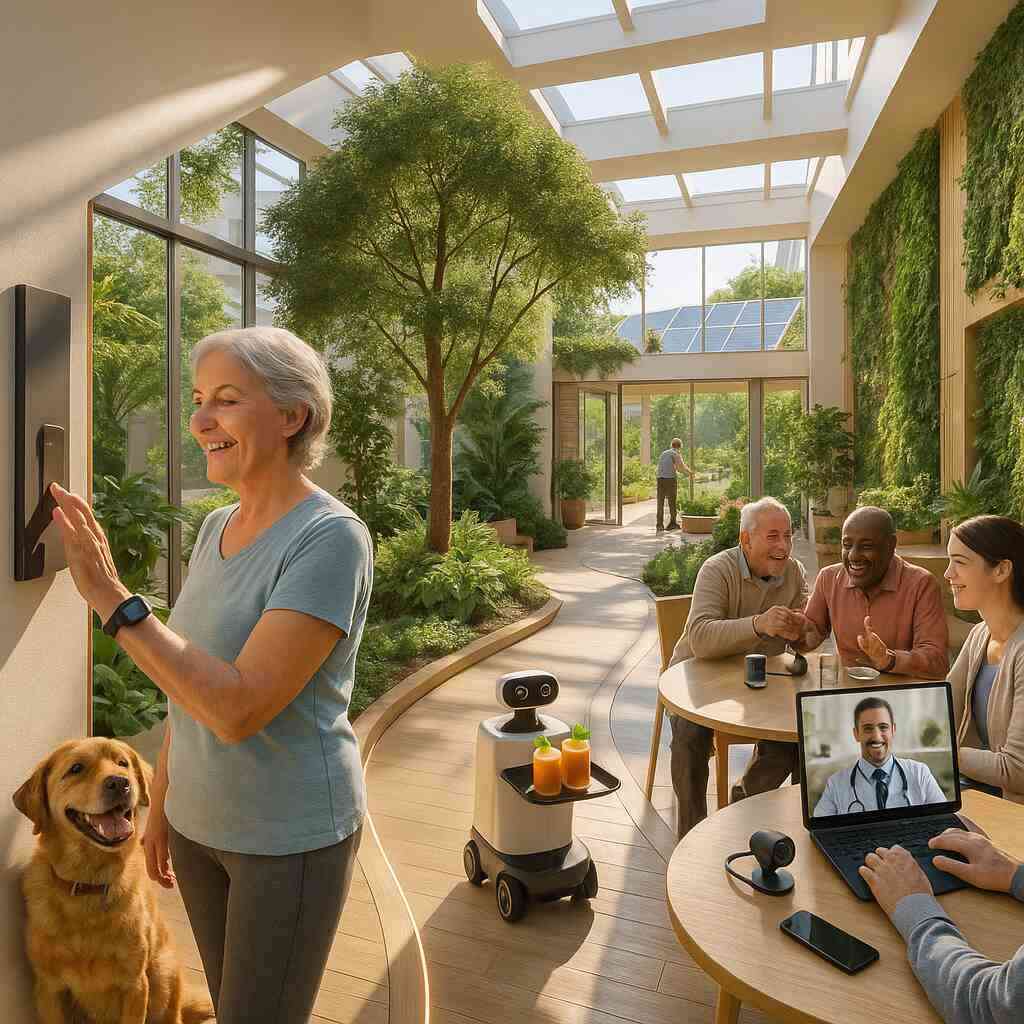
The Future of Senior Living in 2025
Modern senior housing is shedding its clinical past and stepping confidently into an era of smart technology, holistic wellness, and resident-driven design. This overview highlights the strongest senior living trends shaping communities right now and offers practical insight for providers, residents, and families alike.
1. Technology Moves From Add-On to Core Service
Smart tools are no longer a luxury; they are built directly into the fabric of successful communities.
- Voice-activated apartments. Lighting, climate, and entertainment respond to simple voice prompts, making daily tasks easier for those with mobility or vision limitations.
- Predictive sensors. Door contacts, stove monitors, and leak detectors quietly reduce accidents by alerting staff before situations escalate.
- AI-assisted routines. Machine learning reviews movement patterns, sleep, and engagement to recommend subtle schedule changes that improve health and mood.
Taken together, these systems create a digital safety net that supports independence while decreasing costly emergency calls and hospital transfers.
2. Wearables and Telehealth Close the Clinical Gap
On-wrist and in-home devices now feed real-time data to on-site nurses and off-site physicians.
- Resting heart rate, gait speed, and oxygen levels flag potential problems days earlier than traditional check-ins.
- Scheduled virtual visits let residents consult specialists without leaving the property, reducing stress and transportation costs.
- Data dashboards allow family members—with resident permission—to view key wellness markers, reinforcing transparency and peace of mind.
The result: fewer re-hospitalizations, faster interventions, and a clearer picture of each resident’s changing needs.
3. Communities Resemble Boutique Neighborhoods, Not Institutions
Designers are trading long hallways and identical units for smaller “pocket neighborhoods” filled with shared courtyards, coffee bars, and maker spaces. Key elements include:
- Biophilic architecture. Abundant natural light, indoor gardens, and living walls improve air quality and mood.
- Flexible common areas. Rooms easily shift from yoga class to art studio to movie night, encouraging varied social use.
- Local culinary flair. Chefs lean on regional produce and resident-grown herbs, making the dining room feel like a favorite restaurant rather than a cafeteria.
When the environment feels vibrant and familiar, residents stay active longer and report greater life satisfaction.
4. Wellness Programs Become Highly Personalized
One-size-fits-all activity calendars are fading. Instead, communities curate layered offerings that respect different energy levels and interests.
- Adaptive fitness. Equipment calibrated for joint protection allows both avid exercisers and beginners to participate safely.
- Cognitive engagement. Digital brain-training platforms pair with small discussion groups and lifelong-learning classes to keep minds sharp.
- Emotional and spiritual support. On-site counselors, meditation rooms, and multifaith chapels acknowledge the full spectrum of resident wellbeing.
Personal choice is the common thread: residents decide how and when to join, promoting ownership of their own health journey.
5. Intergenerational and Inclusive Housing Options Grow
Forward-looking operators invite multiple age groups and backgrounds onto campus.
- On-site preschools bring children into daily life, fostering mentorship and joy.
- College partnerships offer reduced rent to students who lead tech tutoring or art classes.
- LGBTQ+-affirming design ensures private, safe communal spaces and staff trained in inclusive care practices.
These initiatives combat loneliness, dismantle stereotypes, and help seniors continue contributing to the broader community.
6. Sustainability Is Tied to Both Ethics and Economics
Eco-friendly strategies resonate with residents, meet regulatory goals, and trim operating costs.
- Solar arrays and high-efficiency HVAC systems significantly cut utility bills.
- On-site gardens supply dining programs while lowering food miles.
- Smart irrigation and composting reduce waste and promote stewardship.
A greener footprint is quickly becoming a must-have differentiator when families compare properties.
7. Data-Driven Operations Support Staff and Bottom Lines
With analytics flowing from building systems, wearables, and electronic health records, managers can:
- Forecast staffing needs more accurately.
- Identify which wellness classes drive the most positive outcomes.
- Pinpoint maintenance issues before they become expensive repairs.
The net effect is a leaner operation that still delivers high-touch service—a competitive advantage at a time of rising labor costs.
8. Streamlined Search Tools Empower Families
The search for senior housing often begins online, and families expect clarity.
- Interactive maps, transparent pricing ranges, and real-time availability cut through overwhelm.
- Virtual tours allow early screening without multiple site visits.
- Independent reviews and resident testimonials lend credibility and set realistic expectations.
Communities that provide accurate digital profiles earn trust quickly, accelerating move-in decisions and boosting occupancy.
Key Takeaways for 2025
- Integrate technology at the blueprint stage, not as an afterthought.
- Balance digital tools with a human-centered culture—relationships still matter most.
- Design flexible, social environments that mirror the look and feel of close-knit neighborhoods.
- Offer curated wellness programs that adapt to each resident’s preferences and abilities.
- Embrace sustainability and inclusion; residents and regulators alike are watching.
Staying ahead of these trends positions communities to serve the next generation of older adults—people who value autonomy, connectivity, and purposeful living. By blending smart systems with warm hospitality, senior living in 2025 is poised to deliver safety without sacrifice and community without compromise.
What Are Top Senior Living Trends in 2025


Comments
Post a Comment