Green Design in Senior Living: Benefits, Features, Trends
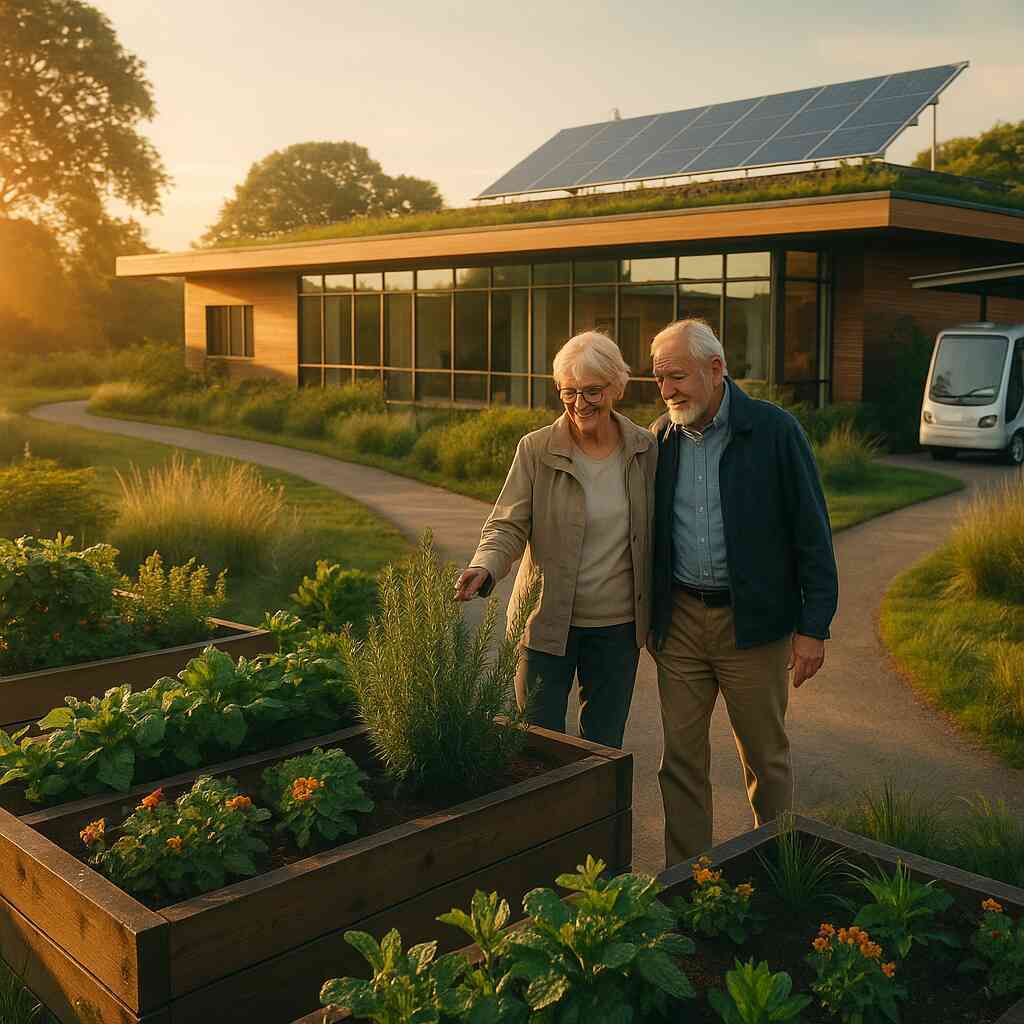
Green Design in Senior Living Facilities
Sustainable, or “green,” design in senior living facilities focuses on reducing environmental impact while actively supporting resident health, comfort, and dignity. The approach blends energy-efficient construction, healthier materials, and nature-centric spaces to create communities that feel good to live in and are kinder to the planet.
Why Green Design Resonates With Today’s Older Adults
- Fixed incomes benefit from lower utility bills.
- Better air quality eases respiratory issues that often accompany aging.
- A visible commitment to sustainability gives residents a sense of purpose and connection with younger generations.
- Resilient construction provides peace of mind during power outages or extreme weather events.
When older adults tour a property in 2026, they increasingly look beyond location and amenities. They want proof that the community conserves energy and fosters wellness just as seriously as it delivers care.
Core Elements of an Eco-Friendly Community
1. High-Performance Building Envelope
Tight insulation, triple-pane windows, and continuous air sealing stabilize indoor temperatures. A well-insulated apartment can stay within a safe range for hours during an outage, giving staff valuable response time and residents greater security.
2. Low-VOC and Recycled Materials
Paints, flooring, and adhesives with low volatile organic compounds keep chemical off-gassing to a minimum. Many operators now specify recycled-content drywall, rapidly renewable cork flooring, and cabinetry certified to emit almost zero formaldehyde.
3. Energy-Efficient Systems
- LED lighting calibrated to support circadian rhythms.
- ENERGY STAR–rated appliances sized for smaller households.
- Heat-pump HVAC or geothermal systems that reduce fossil-fuel use.
Smart building controls track real-time energy performance so maintenance staff can fix inefficiencies before they inflate monthly costs.
4. Renewable Power Generation
Rooftop solar arrays are becoming standard on new builds. Some campuses add battery storage to maintain essential lighting and elevator service during grid interruptions. Even partial onsite generation can shrink carbon footprints and demonstrate stewardship.
5. Water Stewardship
- Low-flow faucets with lever handles that are easy on arthritic joints.
- Dual-flush toilets and drought-tolerant landscaping.
- Rain gardens that filter stormwater and create wildlife habitat.
6. Biophilic and Outdoor Spaces
Raised planter beds, walking loops with shade trees, and indoor green walls bring nature closer to residents who may no longer drive to parks. Access to greenery has been shown to lower stress and encourage gentle physical activity.
Aligning Sustainability With Accessibility
True green design never sacrifices usability. Consider a communal garden. When beds are raised to wheelchair height and paths are paved with slip-resistant, permeable surfaces, gardening doubles as physical therapy. Similarly, sensor-based LED lighting saves energy while illuminating floors evenly to help prevent trips and falls.
Health Benefits Backed by Building Science
- Respiratory Relief – Proper ventilation paired with low-VOC finishes reduces airborne irritants that can worsen asthma and COPD.
- Thermal Comfort – Stable temperatures lessen cardiovascular stress and support deeper sleep.
- Cognitive Support – Daylight-tuned lighting and outside views help regulate circadian rhythms, which aids memory and mood.
- Infection Control – High-efficiency filters capture particulate matter, and materials such as linoleum naturally resist microbial growth.
Financial Upside for Residents and Operators
While sustainable construction can cost slightly more upfront, lower utility and maintenance expenses often recoup that premium within a few years. Solar power purchase agreements, energy-efficiency incentives, and green tax credits available in 2026 shorten payback periods further. Operators who prove lower long-term operating costs may pass savings to residents via more stable monthly fees.
What Families Should Ask on a Tour
- How is the building insulated, and what R-values were achieved?
- Are interior paints, floors, and cabinets third-party certified for low emissions?
- Does the community generate any onsite renewable energy?
- What indoor air quality data do you track and share with residents?
- How do outdoor areas support mobility aids and shade?
- Can you show recent utility data verifying efficiency claims?
Direct questions signal to management that sustainability matters in the decision-making process and help families compare communities on verifiable criteria.
Staff Engagement and Resident Programming
Sustainable design works best when paired with education and activities:
- Composting workshops led by resident volunteers.
- Seasonal farmers’ markets featuring produce from on-site gardens.
- Energy dashboards in common areas that display live savings.
- Craft sessions upcycling materials into décor, turning waste reduction into social connection.
These programs cultivate a shared mission that strengthens community bonds—an essential ingredient for healthy aging.
Looking Ahead
Expect building codes and consumer expectations to keep raising the bar. All-electric kitchens, micro-grid ready campuses, and zero-waste targets are already appearing in forward-thinking projects. By designing with both planet and people in mind, senior living providers can deliver environments where residents thrive physically, financially, and emotionally.
Key Takeaway
Green design is no longer a luxury in senior living; it is a practical framework that controls costs, promotes health, and nurtures purpose. Facilities that embrace these strategies today position themselves—and their residents—for a safer, more fulfilling tomorrow.
What Does Green Design Mean at Senior Living Facilities


Comments
Post a Comment