Wellness Innovations Transform Senior Living Communities
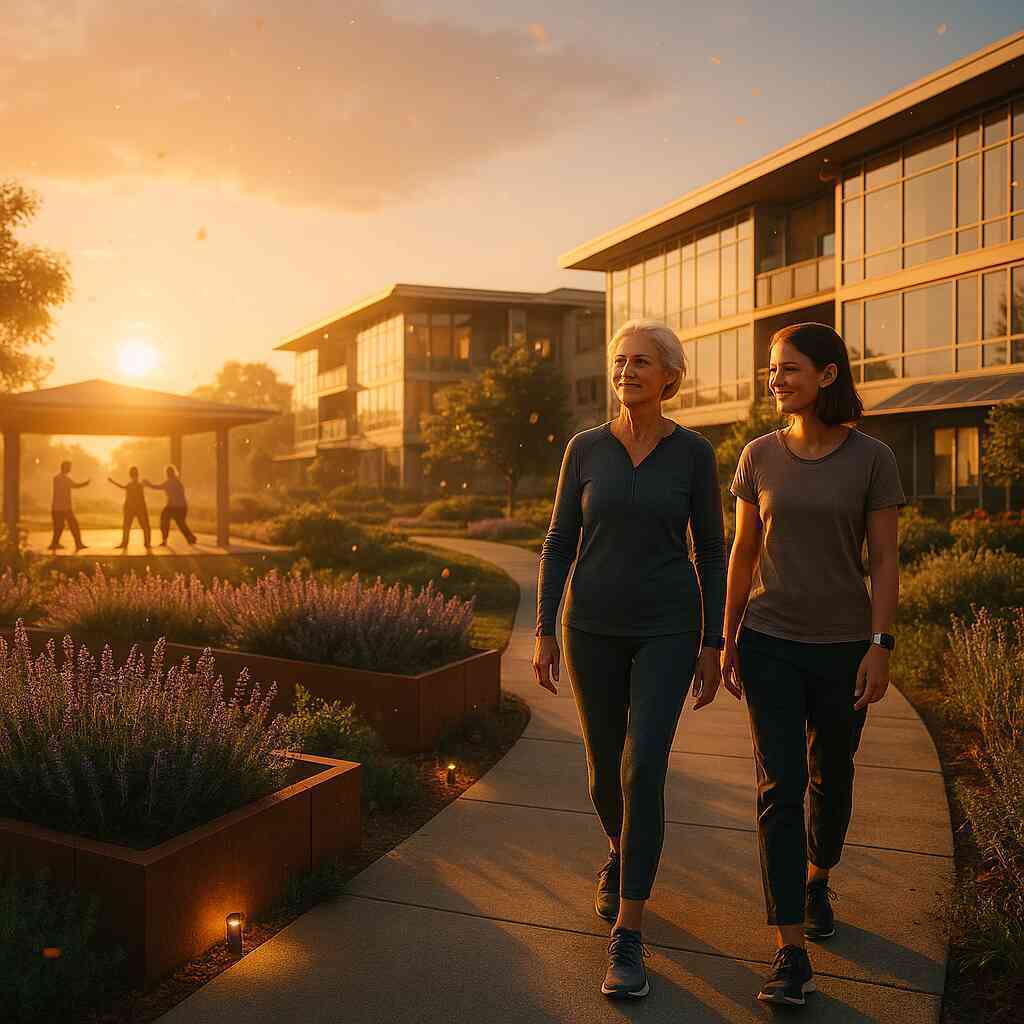
A New Era of Whole-Person Wellness
Senior living in 2026 looks very different from the care models many of us remember. Medication charts and dining halls still matter, but they now sit inside a larger ecosystem designed to support body, mind, and spirit. This overview explores the most influential wellness innovations showing up across independent living, assisted living, and memory care communities.
From Basic Care to Holistic Health
Holistic wellness means treating mobility, cognition, purpose, nutrition, and social connection as interlocking parts of the same plan. Progressive operators now build interdisciplinary teams that may include:
- Certified fitness trainers who understand age-related mobility changes
- Culinary dietitians crafting anti-inflammatory menus
- Meditation or mindfulness instructors
- Occupational therapists focused on fall prevention
- Registered nurses coordinating clinical care and wellness data
Residents choose from tiered programs that meet them where they are. A highly active 72-year-old might join a strength-training circuit, while a neighbor with arthritis starts with chair yoga. Both feel included, and both reduce their risk of avoidable hospital visits.
On-Site Preventive Screenings Simplify Access
Traditional check-ups often require transportation, long waits, and unfamiliar settings. Communities now host recurring screening days in a clubhouse or wellness suite. Common services include:
- Blood pressure and lipid panels
- Vision and hearing checks
- Bone density and balance assessments
- Flu, RSV, and pneumonia vaccination clinics
Because data flows directly into secure electronic records, clinical staff can spot trends early, schedule follow-ups, and adjust care plans without delay. Residents appreciate the convenience; families appreciate the proactive approach.
Wearables Create a Continuous Safety Net
Lightweight wrist sensors and smart soles quietly gather heart rate, gait speed, and sleep quality around the clock. Dashboards flag anomalies—perhaps a sudden drop in nightly REM sleep or a hesitant shuffling walk. Staff receive real-time alerts and can intervene before a minor issue escalates. Key benefits include:
- Faster response to dehydration, urinary tract infections, or medication side effects
- Objective proof of progress toward fitness goals
- Greater peace of mind for adult children who view secure summaries remotely
Privacy remains a priority. Reputable providers let residents control what is shared, with whom, and when alerts are triggered.
Evidence-Based Metrics Drive Personalization
Handwritten care plans once gathered dust in filing cabinets. In 2026, cloud dashboards track leading indicators such as:
- Daily step count and stair repetitions
- Hydration adherence
- Mini-Mental State Exam or MoCA scores
- Frequency of social engagements per week
When a metric dips below a healthy threshold, the system suggests targeted interventions. A drop in gait speed may prompt a referral to a physical therapist; declining social activity could trigger an invitation to a cooking class. Numbers never replace human intuition, but they sharpen it by showing patterns that might otherwise go unnoticed.
Personalized Fitness Programs That Motivate
Most communities now begin an exercise plan with a mobility screen plus baseline wearable data. From there, certified trainers craft short, realistic goals. Tactics that improve follow-through include:
- Small-group classes, such as water aerobics or tai chi, to foster camaraderie
- Digital leaderboards that celebrate progress without shaming slower achievers
- Automatic reminders sent to a resident’s smartwatch or apartment voice assistant
Success is measured not just by pounds lost or steps gained, but by confidence—standing from a chair unassisted, playing on the floor with grandchildren, or walking the golf course without fatigue.
Mental and Emotional Health Take Center Stage
Cognitive decline and isolation can erode quality of life even when physical health is stable. Communities combat this with:
Lifelong Learning Studios
Partnerships with local colleges bring language classes, history seminars, and art workshops on-site. Learning keeps neural pathways flexible and helps residents rediscover purpose.
Mindfulness and Resilience Training
Guided meditation, breathing classes, and gratitude circles reduce stress hormones, improve sleep, and cultivate a supportive culture. Residents report better mood and stronger relationships with both peers and staff.
Purpose-Driven Volunteer Projects
Knitting blankets for children’s hospitals, mentoring school-age readers, or tending a communal garden allows seniors to give back. Purpose is one of the strongest predictors of healthy aging.
Dining Programs That Nourish and Delight
Gone are one-size-fits-all menus. Dietitians now collaborate with chefs to produce:
- Mediterranean-inspired entrées rich in healthy fats
- Plant-forward dishes that reduce inflammation
- Flexible portion sizes to match energy output
- Themed pop-up events—from sushi nights to farm-to-table tastings—that keep dining fun
Nutrition counseling pairs with biometric feedback. If glucose spikes appear in wearable data, the culinary team suggests menu swaps rather than defaulting to medication changes alone.
Building a Culture of Continuous Improvement
The most successful communities view wellness as an evolving journey. They hold monthly resident councils where data trends are shared in plain language. Together, residents and staff set new goals, retire programs that feel stale, and brainstorm fresh ideas. This transparent loop builds trust and keeps offerings aligned with real-world needs instead of top-down assumptions.
Key Takeaways
- Holistic wellness now rivals clinical care in importance.
- On-site screenings and wearables catch problems early.
- Evidence-based dashboards personalize interventions.
- Fitness, mental health, and dining programs work best when residents help design them.
For families comparing senior living options, it can be helpful to look beyond apartment layouts and pricing sheets. Ask detailed questions about how each community measures wellness outcomes, how data informs daily routines, and how residents participate in decision-making. Communities that embrace these innovations not only lengthen life but deepen the joy found in every season of aging.
Understanding Wellness Innovations at Senior Living Facilities


Comments
Post a Comment