Florida Memory Care Facilities: What to Know in 2026
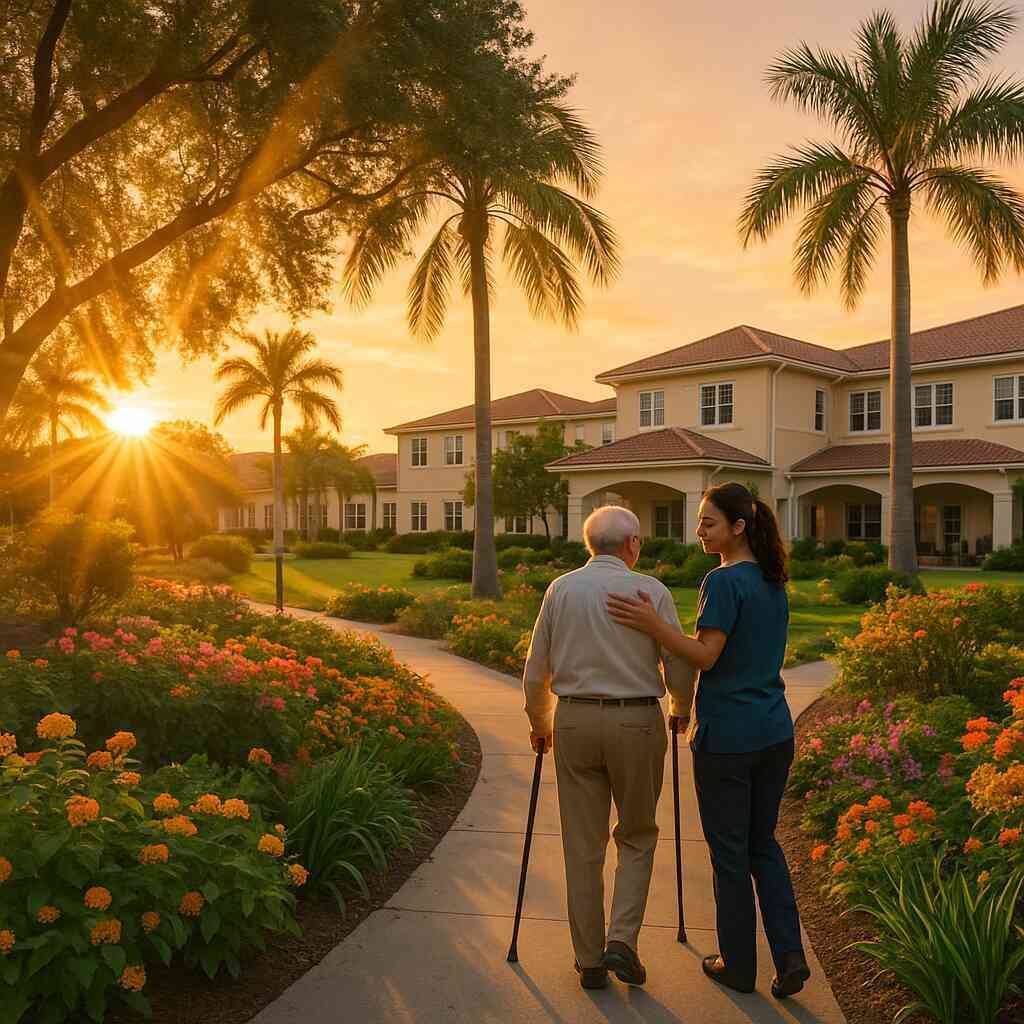
Florida Memory Care Facilities: What to Know in 2026
Memory care in Florida has become one of the most carefully watched areas of senior living, and for good reason. With a large and growing retirement population, families across the state are actively searching for facilities that offer skilled, compassionate, and personalized support for loved ones living with Alzheimer's or dementia.
This overview covers what defines quality memory care in Florida today, what innovations are shaping the field, and what families should look for when evaluating their options.
Why Florida Stands Out for Memory Care
Florida has long been a hub for senior living, and that concentration of demand has pushed memory care communities to raise their standards. Many facilities here have moved well beyond basic supervision to offer genuinely therapeutic environments designed around cognitive health.
The state's climate, culture, and density of retirement communities have also created a competitive landscape. That competition benefits families — facilities are motivated to invest in staff training, program quality, and resident experience.
What Quality Memory Care Looks Like in 2026
The best memory care communities today share several common qualities:
- Personalized care plans that are updated as a resident's condition changes
- Staff trained specifically in dementia care, not just general senior care
- Structured daily programming that keeps residents mentally and socially engaged
- Secure environments designed to reduce wandering risks without feeling institutional
- Family involvement built into the care model, not treated as optional
Personalization is perhaps the most important factor. A care plan that worked six months ago may not reflect a resident's current needs. Strong facilities build flexibility into their approach from the start.
The Role of Technology in Cognitive Health
Technology is playing an increasingly meaningful role in Florida's memory care communities. This is not about replacing human connection — it is about supporting it.
Wearable devices that monitor vital signs and movement patterns allow staff to detect changes in health before they become serious. Cognitive engagement tools, including interactive digital platforms and even carefully designed virtual reality experiences, are being used to stimulate memory and encourage social participation.
These tools are most effective when they are integrated thoughtfully into daily routines rather than used as standalone novelties. The goal is always to support quality of life, not to showcase technology for its own sake.
Therapeutic Programs That Make a Difference
Beyond technology, evidence-based therapeutic programming is a hallmark of top-rated facilities. Some of the most impactful approaches include:
- Music therapy, which can reach individuals who may struggle with verbal communication
- Art and creative expression, which supports emotional processing and a sense of accomplishment
- Pet therapy, which has been shown to reduce anxiety and improve mood
- Sensory-focused activities designed to engage different areas of cognition
These are not just recreational extras. When implemented consistently and with proper training, they contribute meaningfully to residents' emotional stability and overall well-being.
Compassionate Care as a Core Standard
Compassion is not a soft concept in memory care — it is a clinical and ethical standard. Florida's leading communities are built around person-centered care, meaning each resident is treated as an individual with a unique history, preferences, and dignity.
This approach requires caregivers who are trained not just in the physical aspects of dementia but in its emotional dimensions as well. Recognizing when a resident is experiencing fear, confusion, or grief — and responding with patience rather than procedural efficiency — is a skill that defines excellent memory care.
Families visiting facilities should pay close attention to how staff interact with residents during everyday moments, not just during formal tours.
Key Questions to Ask When Evaluating a Facility
When touring memory care communities in Florida, it helps to come prepared with specific questions:
- How are care plans developed and how often are they reviewed?
- What is the staff-to-resident ratio during day and overnight hours?
- How does the facility communicate updates to family members?
- What specialized dementia training have caregivers completed?
- How are behavioral changes or medical concerns handled?
The answers to these questions reveal a great deal about a facility's culture and competence.
Final Thoughts
Choosing a memory care facility is one of the most significant decisions a family can make. Florida offers a broad range of options, and the strongest communities in 2026 are those that combine clinical expertise with genuine human warmth.
Taking time to research, visit in person, and ask direct questions is always worthwhile. The right environment can make a meaningful difference in the daily life of someone you care about.
Best Memory Care Senior Living Facilities in Florida 2026


Comments
Post a Comment