How Senior Living Facilities Support Health and Wellness
How Senior Living Facilities Support Health and Wellness
Senior living facilities have evolved far beyond basic elder care. Today's communities are designed around a holistic approach to health, offering older adults the resources, support, and social environment needed to thrive. Whether you are exploring options for a loved one or planning ahead, understanding what these communities offer can help guide an informed decision.
Here is a look at six meaningful health and wellness benefits that modern senior living facilities provide.
1. Comprehensive and Proactive Medical Care
One of the most significant advantages of senior living communities is consistent access to qualified healthcare professionals. Residents benefit from regular health assessments, chronic condition management, and coordinated care that reduces the need for emergency hospital visits.
Rather than waiting for problems to arise, many facilities take a proactive approach. This includes:
- Routine health screenings and wellness checkups
- Vaccinations and preventative health programs
- On-site nursing and medical staff availability
- Specialized care plans for residents with complex health needs
This level of attentive care can make a real difference in long-term health outcomes.
2. Personalized Care Plans Tailored to Each Resident
No two seniors have the same health history, preferences, or care requirements. Personalized care plans allow facilities to address each resident as an individual rather than applying a one-size-fits-all approach.
These plans typically draw from a resident's medical history, daily routines, and personal goals. When care is customized, residents tend to feel more comfortable, experience better-managed health conditions, and maintain a stronger sense of dignity and independence.
3. Social Engagement That Strengthens Emotional Health
Loneliness and social isolation are serious health risks for older adults. Senior living communities directly address this by building structured opportunities for connection into daily life.
Companionship programs, group activities, and shared dining experiences all encourage residents to build genuine friendships. This social fabric has a measurable positive impact on emotional well-being, helping to reduce feelings of depression, anxiety, and isolation.
Common social engagement options include:
- Art and creative expression classes
- Group outings and community events
- Book clubs, music programs, and hobby groups
- Volunteer and intergenerational programs
Staying socially active is not just enjoyable — it is genuinely good for cognitive and emotional health.
4. Mental Health Support and Counseling Services
Senior living facilities increasingly recognize mental health as a core part of overall wellness. Many communities offer access to counseling services, support groups, and programs specifically designed for the emotional challenges that can accompany aging.
Addressing grief, life transitions, and stress in a supportive environment helps residents feel heard and valued. When emotional health is prioritized alongside physical health, residents are better equipped to live fulfilling and engaged lives.
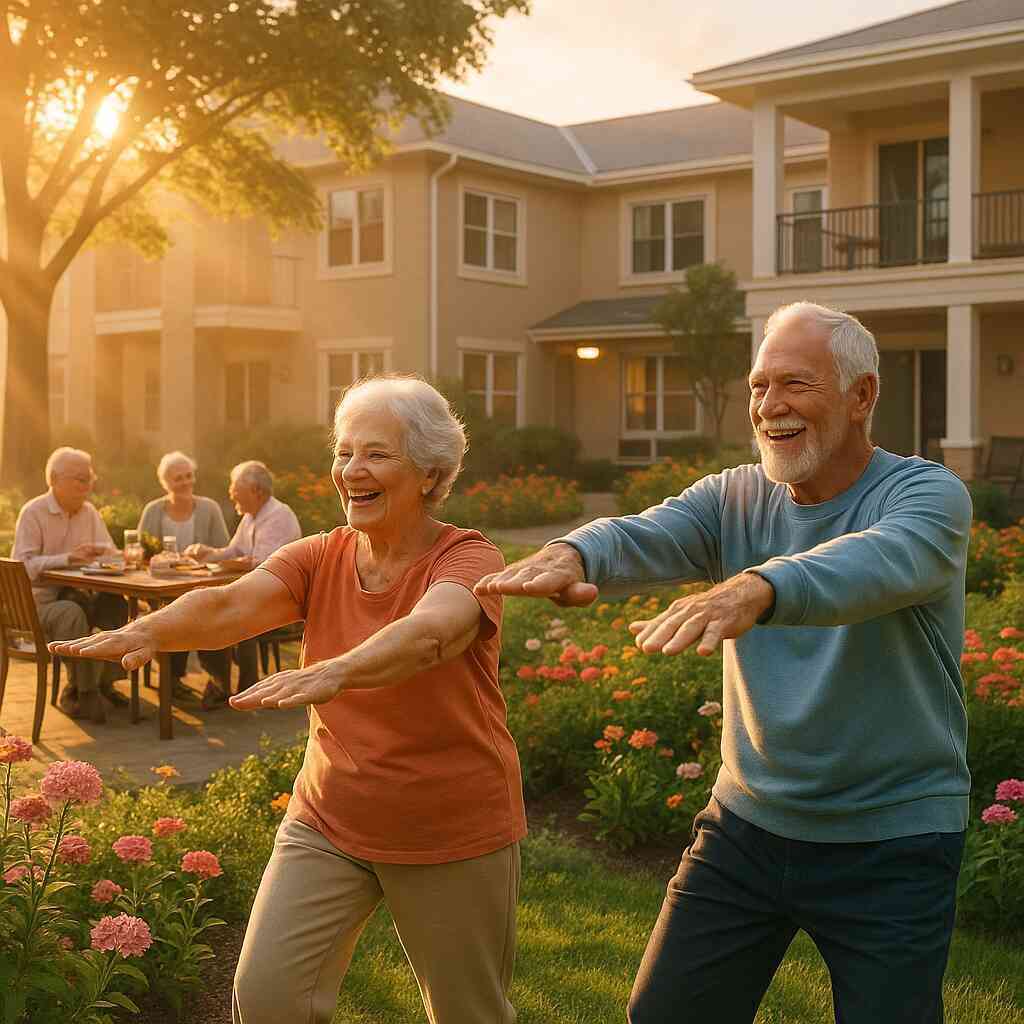
5. Fitness Programs and an Active Daily Lifestyle
Physical activity remains one of the most effective tools for maintaining health and mobility in older adults. Senior living communities typically offer a range of fitness options suited to varying ability levels.
These may include:
- Low-impact exercise classes such as yoga, tai chi, or water aerobics
- Walking paths and outdoor recreation areas
- Physical therapy and rehabilitation services
- Fitness centers with equipment designed for older adults
Regular movement supports cardiovascular health, balance, flexibility, and mood. Having these resources readily available removes common barriers to staying active.
6. Nutritious Meals That Support Overall Health
Proper nutrition is foundational to health at every age, but it becomes especially important for older adults managing chronic conditions or recovering from illness. Senior living facilities typically provide chef-prepared meals designed with nutritional balance in mind.
Many communities accommodate dietary restrictions, food allergies, and cultural preferences. Shared dining also reinforces the social element of wellness — meals become an opportunity for connection rather than an isolated routine.
Why These Benefits Matter in 2026
In 2026, the senior living industry continues to prioritize resident-centered care and integrated wellness. Families and seniors themselves are seeking communities that offer more than just a place to live — they want environments that actively support a high quality of life.
From preventative medical care and personalized health plans to social programs and mental health support, today's facilities are built to help older adults live with purpose, comfort, and dignity.
If you are evaluating senior living options, understanding these six areas of wellness can serve as a useful framework for comparing communities and identifying the right fit.
Top 6 Health and Wellness Benefits of Senior Living Facilities


Comments
Post a Comment