Senior Living Facility Trends Shaping the Industry in 2026
Senior Living Facility Trends Shaping the Industry in 2026
Senior living facilities are evolving faster than ever in 2026. From smart home technology to eco-friendly design, the shifts happening right now are redefining what it means to age well. This overview breaks down the most important trends shaping the senior housing landscape this year.
Why Senior Living Is Changing
Today's older adults are not a passive demographic. They are tech-savvy, health-conscious, and have high expectations for independence and quality of life. Longer life expectancies mean facilities must offer flexible solutions that adapt as residents' needs change over time. The industry is responding with innovation across nearly every area of care and design.
1. Smart Home Technology for Everyday Safety
Automated systems are becoming standard in modern senior living. Voice-activated devices, smart lighting, and climate control help residents manage daily life with greater independence. These tools also support fall prevention and faster emergency response, which gives families greater peace of mind.
2. Virtual Reality as a Care Tool
Virtual reality is gaining traction in memory care and general wellness programs. Seniors can explore new places, revisit meaningful memories, and participate in cognitive exercises without leaving their community. For residents with limited mobility, VR opens up experiences that would otherwise be out of reach.
3. Real-Time Health Monitoring
Wearable devices and in-room sensors now allow care teams to track vital signs, sleep quality, and daily movement patterns continuously. This kind of real-time data supports earlier intervention and more personalized care plans. Facilities using these systems are better equipped to catch potential health issues before they become serious.
4. Sustainable and Eco-Friendly Design
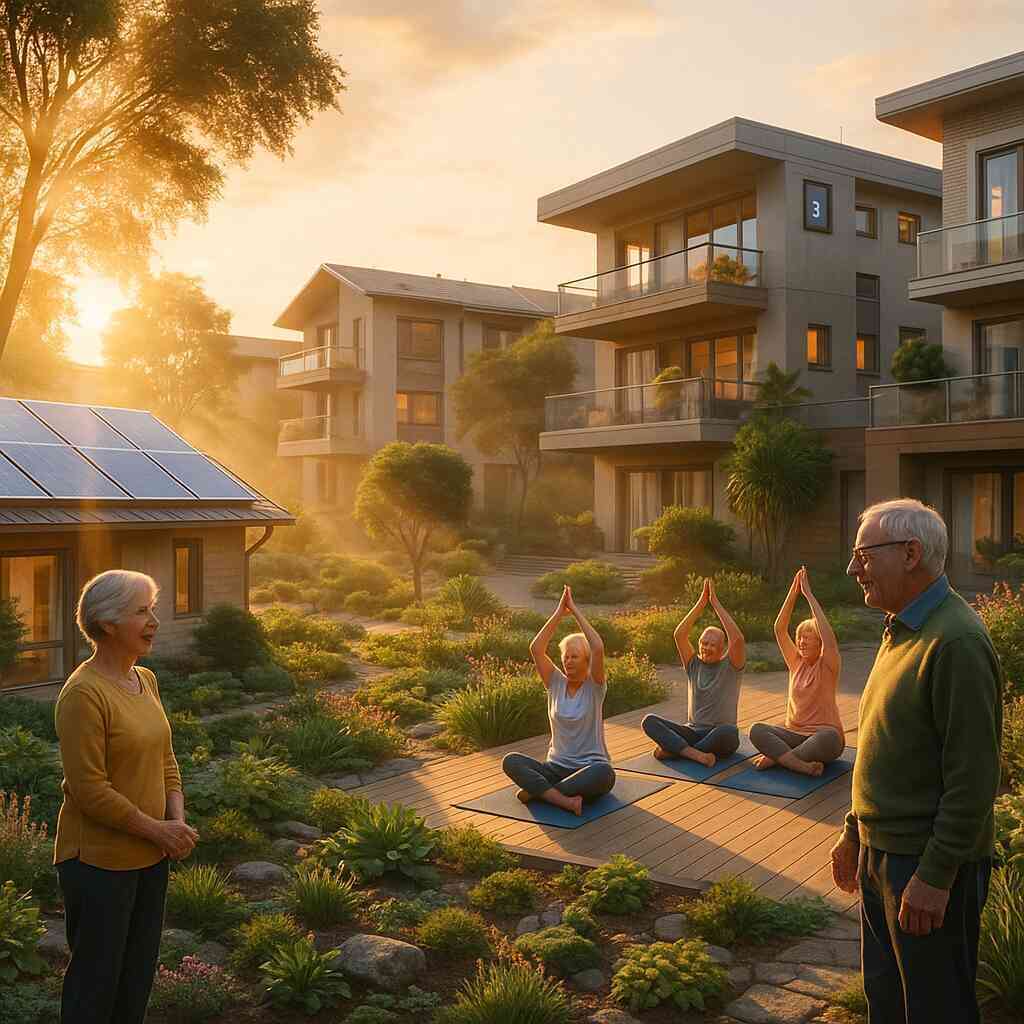
Green building practices are moving from optional to expected. Senior living developments in 2026 increasingly incorporate:
- Energy-efficient construction materials
- Solar and renewable energy systems
- Sustainable landscaping and water management
- Improved indoor air quality design
These features reduce operating costs and create healthier living environments. As more residents prioritize environmental values, eco-friendly options are becoming a key differentiator.
5. Person-Centered Care Models
One-size-fits-all care is giving way to individualized approaches. Facilities are investing in detailed resident assessments to build care plans that reflect personal preferences, health goals, and lifestyle choices. This model improves resident satisfaction and supports better health outcomes over the long term.
6. Expanded Mental Health and Wellness Programs
Physical health has always been a priority, but mental wellness is receiving much more attention in 2026. Senior communities are adding dedicated programming for:
- Stress reduction and mindfulness
- Social engagement and peer connection
- Grief and life transition support
- Cognitive stimulation activities
These programs address loneliness and isolation, which remain among the most significant health risks for older adults.
7. Multigenerational and Community Integration
Isolation shrinks when senior communities connect with the broader world around them. Many facilities are building programs that bring together multiple generations through volunteering, shared events, and educational partnerships. This approach enriches daily life for residents while strengthening ties to the surrounding community.
8. Workforce Development and Staffing Innovation
Quality care depends on a skilled and supported workforce. Senior living providers are focusing on staff training, competitive compensation, and technology tools that reduce administrative burden. Better-supported caregivers deliver better outcomes for residents, making workforce investment a direct quality-of-care issue.
9. Flexible Housing Continuum Options
Residents and families want housing that can grow with changing needs. The trend toward a full continuum of care — from independent living through assisted living and memory care — under one roof or campus is accelerating. This reduces the disruption of moving between facilities as health needs evolve.
10. Data-Driven Facility Operations
Beyond individual health monitoring, facilities are using operational data to improve safety, staffing efficiency, and resident experience. Analytics tools help administrators identify patterns, allocate resources more effectively, and benchmark performance against industry standards.
What These Trends Mean for Residents and Families
For anyone evaluating senior living options, these trends signal a broader shift toward dignity, personalization, and proactive care. The best facilities in 2026 are not simply places to receive care — they are communities designed to support a full and engaged life. Understanding what to look for makes it easier to find a setting that truly fits the needs and values of the individual.
The senior living industry is at an exciting turning point, and the changes underway are largely positive for residents, families, and care professionals alike.
Top 10 Senior Living Facilities Trends to Watch in 2026


Comments
Post a Comment