Pet-Friendly Assisted Living: Top Choices for Seniors in 2026
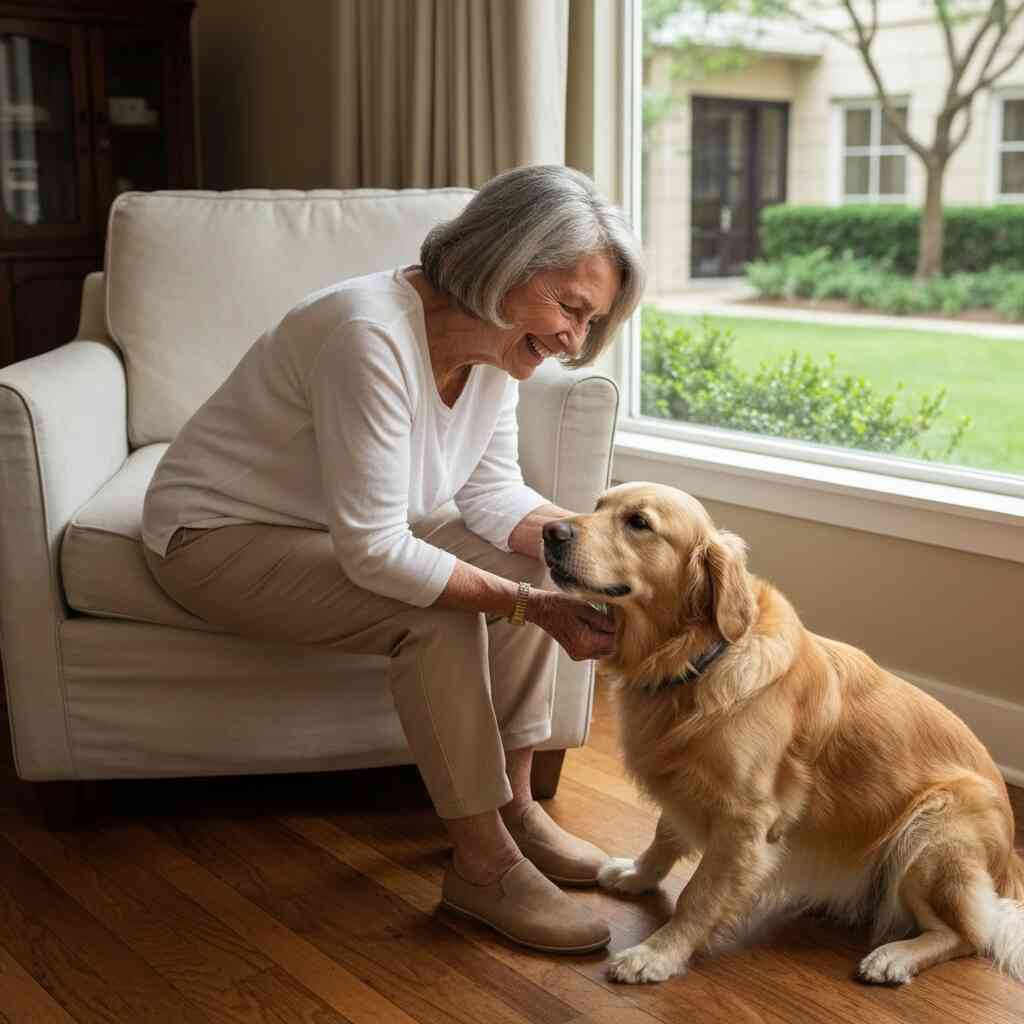
Moving into a senior living facility is a major transition, and for many older adults, the thought of leaving a beloved pet behind can be heartbreaking. The good news is that pet-friendly assisted living options have expanded significantly. In 2026, more communities than ever recognize that pets are family, and they design their policies and amenities to support both residents and their animal companions. This guide explores what to look for in a pet-friendly senior living community, from understanding pet policies to recognizing the health benefits of keeping your furry friend close.
The Deep Bond Between Seniors and Their Pets
For countless seniors, a pet is not just an animal—it is a source of unconditional love, routine, and purpose. When considering a move to assisted living, the fear of losing that bond can be overwhelming. However, modern senior living communities increasingly understand that keeping a pet can ease the transition and improve overall well-being. Your dog or cat provides a reason to stay active, engage with others, and maintain a sense of normalcy. Prioritizing a pet-friendly community means you do not have to choose between quality care and the companionship that matters most to you.
Mental and Emotional Health Benefits
Loneliness and isolation are serious risks for older adults living alone. A pet offers constant companionship, reducing feelings of solitude and providing emotional support. Scientific studies show that interacting with animals can lower blood pressure, reduce anxiety, and even release oxytocin—the bonding hormone. For seniors adjusting to a new environment, the simple act of petting a dog or hearing a cat purr can shift a stressful day. Keeping your pet with you supports long-term mental stability and helps you feel at home in your new setting.
Pets as Social Catalysts
Animals naturally draw people together. Walking your dog in the hallways or common areas often leads to conversations with neighbors and staff. This social connection is vital for cognitive health and emotional resilience. Many pet-friendly assisted living communities also host pet therapy programs for all residents, even those without their own animals. In memory care settings, pet interactions have been shown to reduce agitation and improve sleep. Your pet can help you build a new social network, which is especially valuable when you are starting fresh in a new community.
When a Pet Is More Than a Friend
If your pet helps you manage symptoms of depression, anxiety, or other health conditions, they may qualify as an emotional support animal. Many communities now have policies that accommodate ESAs, recognizing their role in resident health. It is important to discuss your needs early in the search process to ensure the facility can support your situation. Advocating for your pet’s place in your care plan is a reasonable and important step.
Evaluating Pet-Friendly Assisted Living Communities
Finding the right home requires balancing medical needs with personal preferences. When pets are part of the equation, your checklist becomes more specific. You need to look beyond general pet acceptance and understand the details of each community’s rules, fees, and amenities. Using a senior living locator can help you filter communities by pet policy, saving time and energy.
Understanding Pet Policies
Every community sets its own rules about pet types, sizes, and breeds. Some luxury retirement communities have open policies, while others may restrict pets to certain buildings or floors. Always ask about pet deposits, monthly fees, and any restrictions on number of pets. Also inquire about requirements for vaccination records, pet licensing, and behavior expectations. Knowing the full terms upfront prevents surprises later.
Amenities for Pets and Owners
A truly pet-friendly community goes beyond simply allowing animals. Look for features such as designated pet relief areas, walking paths, pet washing stations, and even pet sitting or walking services. Some communities offer dog parks or indoor play areas for bad weather days. These amenities show that the facility values the pet-owner bond and wants to make life easier for both of you.
Staff Training and Attitude
A welcoming policy on paper means little if the staff does not embrace pets. When you tour a community, observe how staff members interact with current residents’ pets. Ask about staff training on animal behavior and how they handle emergencies involving pets. A community that truly welcomes animals will have a culture of respect and care for all family members—including the four-legged ones.
Top Considerations for Pet Owners
When touring potential assisted living communities, bring your pet if possible to see how they react. Pay attention to noise levels, outdoor spaces, and the general atmosphere. Ask current residents about their experiences with their pets in the community. You also want to ensure that your own health needs can be met without sacrificing your pet’s well-being. Some facilities offer assistance with pet care, such as help with feeding or walking, if your mobility declines.
Planning for the Future
It is wise to have a plan for your pet’s care if you become unable to care for them yourself. Some communities offer pet care services, or you may arrange for family or local pet sitters. Knowing that your pet will be cared for—even on days you are not feeling well—can give you peace of mind and allow you to focus on your own health.
Conclusion
Finding a pet-friendly assisted living community in 2026 is not only possible but increasingly common. The key is to start your search early, ask specific questions, and visit communities with your pet’s needs in mind. Your bond with your animal is a powerful source of joy, health, and connection. The right senior living facility will honor that bond and help you and your pet thrive together.
Best Pet Friendly Assisted Living Locations for Seniors 2026


Comments
Post a Comment