10 Questions to Ask Before Choosing Assisted Living
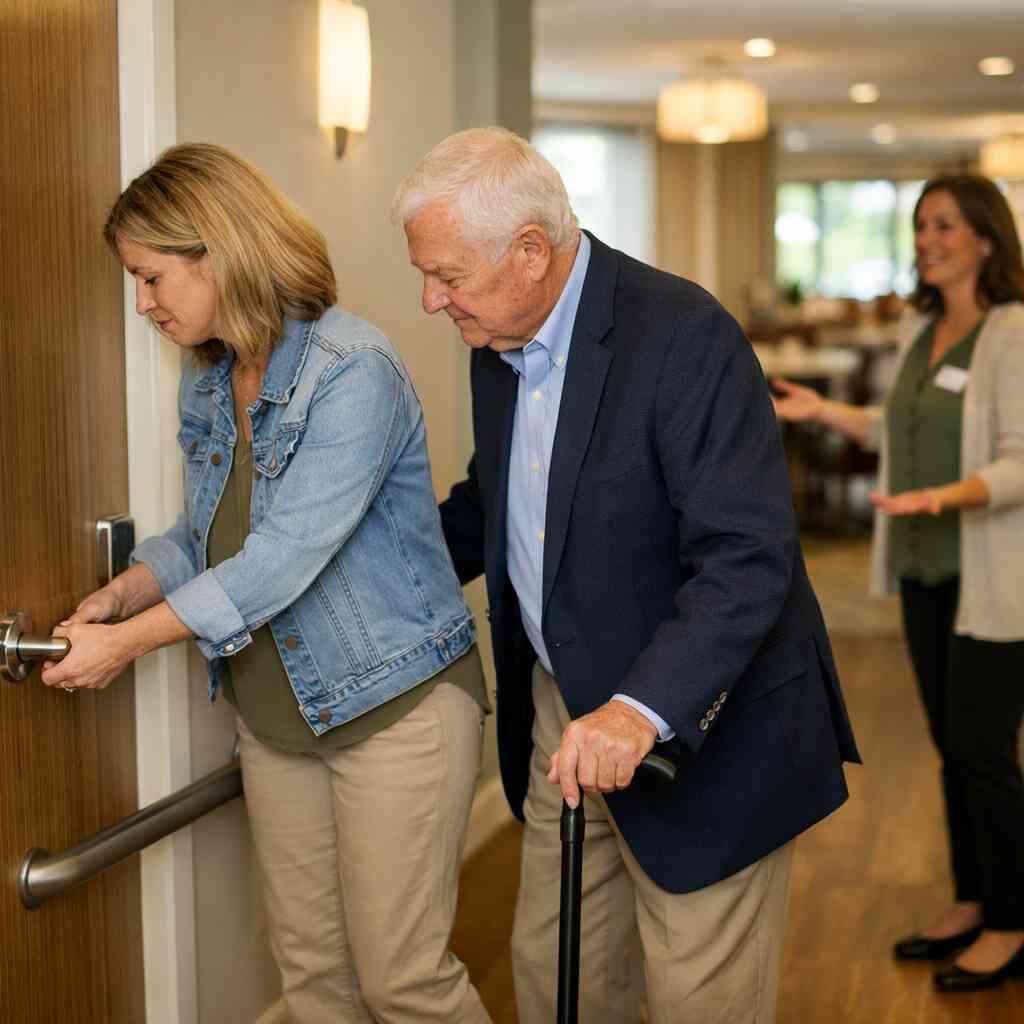
10 Questions to Ask Before Choosing Assisted Living
Moving to assisted living is a major life decision. The right questions can make the process clearer, less stressful, and more practical for the whole family. This guide covers the most important things to ask before a move, so you can compare communities with confidence.
1. What level of care does my loved one really need?
Start with daily life, not the brochure. Ask whether the person needs help with bathing, dressing, meals, medication reminders, mobility, or continence care. Assisted living is designed for support with routine tasks, while more intensive medical needs may point to a different setting.
It helps to write down the specific challenges you see at home. That list becomes the foundation for every other decision.
2. Which services are included in the monthly fee?
Pricing can be confusing if the base rate and extra charges are not explained clearly. Ask what is included and what costs more.
Common items to review:
- Room or apartment size
- Meals and snacks
- Housekeeping and laundry
- Transportation
- Personal care assistance
- Medication reminders
- Activities and outings
A community may look affordable at first, but add-on fees can change the picture quickly.
3. How does the community handle changes in care needs?
Needs can change over time. A good community should explain how it reassesses residents and updates care plans.
Ask:
- How often care plans are reviewed
- Who makes care decisions
- What happens if needs increase
- Whether there are limits to the level of support provided
This question matters because families want stability. You do not want to move twice if care needs grow.
4. What does a typical day look like?
Daily routine tells you a lot about quality of life. Ask about meal times, activity schedules, quiet hours, and how much freedom residents have.
A strong community should support structure without making life feel rigid. Look for a balance of independence, social connection, and help when needed.
5. How are medications managed?
Medication management is one of the most important safety topics in assisted living. Ask who handles reminders, who can administer medications, and how the community tracks changes.
Also ask what happens if a prescription changes, runs out, or causes side effects. Clear procedures reduce mistakes and stress.
6. How does the staff respond in an emergency?
Emergencies can happen at any time. You want to know how quickly staff responds and what systems are in place.
Important questions include:
- Is staff available 24 hours a day?
- How are falls handled?
- What happens after hours?
- When are families notified?
- Is there a protocol for hospital transfers?
The answer should sound organized and consistent, not vague.
7. What is the staffing model like?
Staffing affects daily experience in a very real way. Ask about the number of caregivers on each shift, staff turnover, training, and supervision.
You may also want to ask whether the same caregivers work with residents regularly. Familiarity can improve trust, comfort, and communication.
8. What are the dining options and how flexible are they?
Meals are about more than nutrition. They also shape routine, mood, and social life.
Ask whether meals are served restaurant-style or cafeteria-style, whether dietary needs are accommodated, and how the community handles residents with swallowing issues, diabetes, or other special requirements.
It is also worth asking whether residents can choose alternatives if they do not like the main meal.
9. How is the environment designed for safety and comfort?
Walk the building with a practical eye. Look for handrails, good lighting, easy-to-navigate hallways, accessible bathrooms, and secure entry points.
Also consider comfort. Is the space warm and welcoming? Are there places for quiet conversation? Is the outdoor area usable and well maintained?
Safety and comfort should work together. A place can be secure without feeling clinical.
10. What happens if finances, health, or preferences change?
This is one of the most overlooked questions. Ask what happens if a resident outlives savings, needs a different care level, or wants to move to another setting later.
You should understand the community’s policies on:
- Fee increases
- Refunds and deposits
- Move-out terms
- Transfers to higher care
- Discharge policies
These details protect families from surprises later.
How to compare communities fairly
Once you have answers, compare communities side by side. Do not rely only on impressions from one tour. Use the same questions at each place so you can make an apples-to-apples comparison.
A simple way to organize the process is to rank each community on:
- Care quality
- Staff responsiveness
- Safety
- Cleanliness
- Food
- Social atmosphere
- Transparency about costs
- Flexibility as needs change
If a community is difficult to contact, unclear about pricing, or avoids direct answers, consider that a warning sign.
Final thoughts
Choosing assisted living is not only about where someone will live. It is about whether the setting can support daily life with dignity, safety, and enough independence.
The best questions focus on care, staffing, cost, and long-term flexibility. When families ask the right things early, they are much more likely to find a community that truly fits.
If you are beginning the search, take your time, keep notes, and trust the details. They usually tell the real story.
Top 10 Questions to Ask Before Moving Into Assisted Living


Comments
Post a Comment