Assisted Living vs Nursing Home: Which Fits Better?
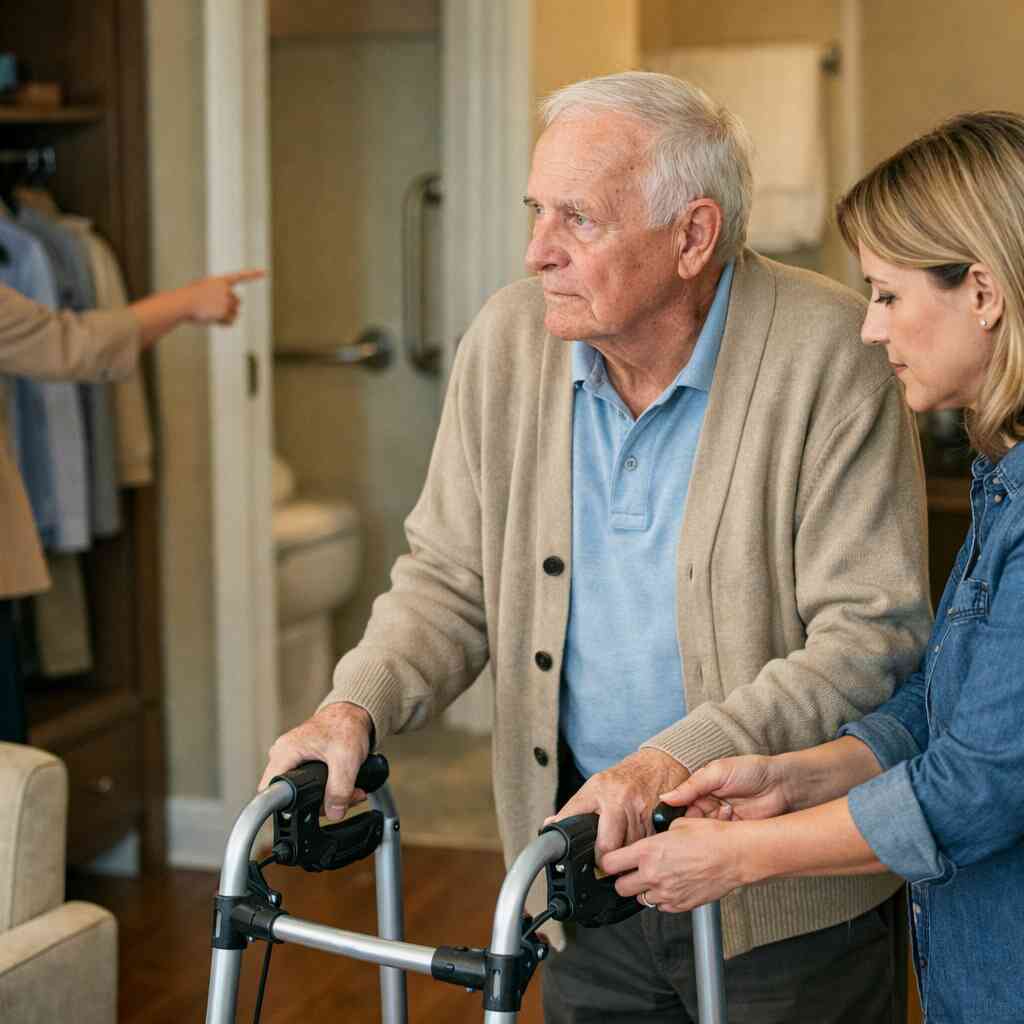
Assisted Living vs Nursing Home: How to Choose the Right Care
Assisted living vs nursing home is one of the most important choices families face when a loved one needs daily support. The right option depends on safety, medical needs, and how much hands-on help is required each day.
When a parent falls, misses medications, or starts struggling with meals and bathing, the decision changes quickly. What once felt like normal aging may actually be a sign that the current living situation is no longer safe. At that point, the goal is not to find the most comfortable-sounding option. The goal is to match the care level to the person’s real needs.
Why the first warning signs matter
Families often delay the conversation because they do not want to overreact. That is understandable. Still, repeated falls, confusion at night, wandering, poor eating, or trouble managing medications can point to a growing care gap.
A home can become risky long before it looks obviously unsafe. Small problems tend to stack up:
- Missed doses of medication
- Bruises from minor falls
- Meals left untouched
- Hygiene issues
- Trouble getting up from a chair or out of bed
When these issues keep happening, the question is no longer whether your loved one can live independently. The question is whether they need a different level of support.
What assisted living is designed to provide
Assisted living is intended for older adults who need help with daily routines but do not need constant medical oversight. It can be a good fit when a person still has some independence but benefits from support with everyday tasks.
Typical assisted living services may include:
- Help with meals
- Housekeeping
- Transportation
- Medication reminders
- Dressing or bathing support
- Social and recreational activities
This setting often works well for people who want a more residential environment and do not require regular nursing care. It can offer a balance between independence and assistance.
That said, assisted living is not meant for every situation. The level of care can vary from one community to another, and some residents may eventually need more support than the setting can safely provide.
What nursing home care is built for
A nursing home, also called a skilled nursing facility, is designed for people who need a higher level of medical supervision. This is often the right choice after a hospital stay, during recovery, or when chronic health problems require close monitoring.
Nursing homes may provide:
- Skilled nursing care
- Wound care
- Medication management with closer supervision
- Physical, occupational, or speech therapy
- Help with most or all daily activities
- Ongoing monitoring for changing health conditions
This type of care is usually appropriate when a person cannot safely manage with reminders or light support alone. If medical needs are frequent or complex, skilled nursing may be the safer and more practical option.
Assisted living vs nursing home: the key difference
The main difference is the level of care.
Assisted living focuses on support with daily living. Nursing home care focuses on medical oversight and more intensive hands-on help.
A simple way to think about it is this:
- Assisted living = help with living well
- Nursing home = help with living safely when health needs are more serious
Both settings can be caring and professional. But they are built for different situations. Choosing based on appearance alone can lead to stress, extra moves, and avoidable expenses.
Questions that help families decide
Before choosing a setting, it helps to ask practical questions about the person’s daily needs.
Consider whether your loved one:
- Needs help every day with bathing, dressing, or toileting
- Can take medications correctly without close supervision
- Is eating enough and safely
- Has frequent falls or mobility problems
- Needs wound care, therapy, or regular nursing attention
- Has memory issues that affect safety
- Can respond appropriately in an emergency
If the answer to several of these is yes, nursing home care may be the better fit. If the person mainly needs reminders, meal support, and help with a few tasks, assisted living may still be appropriate.
Avoiding expensive detours
One of the most common mistakes families make is choosing a setting that is not matched to the person’s real condition. If the care level is too low, the family may end up facing another move after a fall or health decline. If the care level is too high, the person may spend money on services they do not yet need.
The best choice is the one that fits both current needs and likely next steps. That means looking beyond the dining room, décor, or first impression. It means asking how the community handles worsening health, nighttime assistance, medication changes, and emergencies.
A practical way to think about the decision
If your loved one still enjoys independence but needs help staying organized and safe, assisted living may be enough. If health issues are more complex and daily care is becoming difficult to manage, a nursing home may be the more responsible option.
Try to focus on function rather than labels. Ask:
- What kind of help is needed each day?
- How much medical attention is required?
- What happens if the person has a bad day or a sudden decline?
Those questions usually lead to a clearer decision than any brochure or tour can provide.
Final thoughts
Choosing between assisted living and a nursing home is not about picking the most attractive setting. It is about finding the safest and most appropriate level of care.
Assisted living can support independence when needs are moderate. Nursing home care becomes the better fit when medical oversight and hands-on daily help are no longer optional. The right decision can protect health, reduce family stress, and preserve dignity.
If you are comparing care options now, it can be helpful to start with the person’s daily routine and build the decision from there. That approach keeps the focus on safety, comfort, and long-term stability.
Senior Living Facilities Showdown Assisted Living vs Nursing Home


Comments
Post a Comment