CMS Star Ratings for Senior Living: A Smart Guide
CMS Star Ratings for Senior Living: A Smart Guide
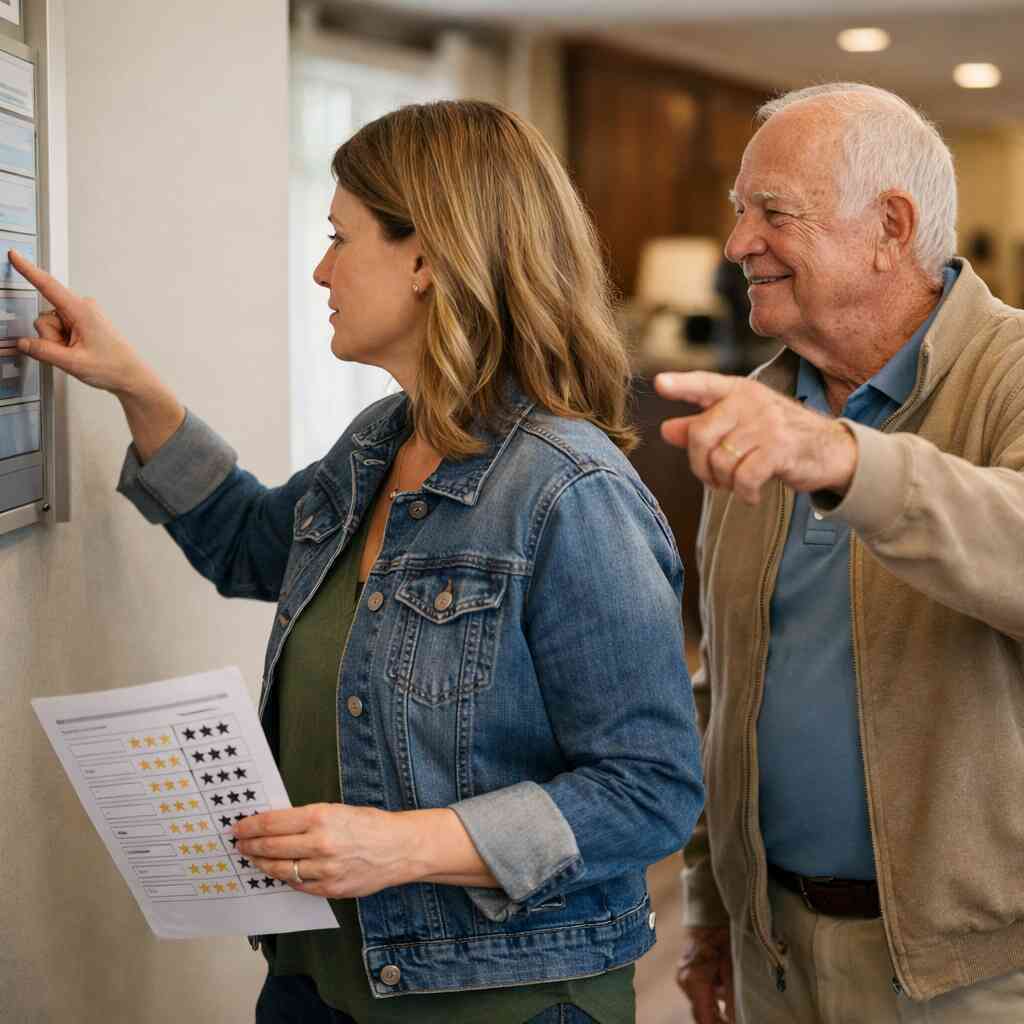
CMS star ratings can help families compare senior living facilities with more confidence. They are not the only factor to consider, but they are a useful starting point when the choices feel overwhelming.
Choosing care for an aging parent is rarely simple. Families often search late at night, compare several options, and try to make sense of polished websites and broad promises. In that moment, a clear rating system can reduce stress. CMS star ratings do that by turning complex care data into something easier to review.
Why families rely on star ratings first
A star rating gives you a quick snapshot. It can help you narrow down a long list of facilities before spending time on tours and calls. That is especially helpful when you are comparing senior living facilities near you and every listing sounds similar.
Still, a rating is only a starting point. A facility may look strong on paper and still feel wrong in person. It may also have a decent overall score but not match your loved one’s care needs, routines, or personality.
In other words, the stars can point you in the right direction. They cannot make the final decision for you.
What CMS star ratings are built from
CMS star ratings for nursing homes usually come from three main areas:
- Health inspection ratings
- Staffing ratings
- Quality measure ratings
Each one tells a different part of the story.
Health inspection ratings
These ratings reflect survey findings and compliance reviews. They can show whether a facility has had problems with safety, infection control, medications, or documentation. This is often the most revealing part of the rating because it shows how the facility performs under real oversight.
A building may look beautiful during a tour, but inspection results can reveal what a brochure will not.
Staffing ratings
Staffing matters because care needs can change quickly. A resident may need extra help after a fall, a hospital stay, or a medication adjustment. If staffing is stretched too thin, families may notice slower response times or less personal attention.
This is why staffing ratings in nursing homes are so important. They help you think beyond appearance and ask whether the care team is likely to be available when it counts.
Quality measure ratings
Quality measures look at outcomes and patterns in care. They can help show whether residents are experiencing issues such as pressure injuries, falls, or other signs that care processes may need attention.
Together, these three areas create a more complete picture than a single number alone.
Common mistakes families make
Many families run into the same problems when comparing senior living options.
Confusing care settings
A senior living facility is not always the same thing as a nursing home. Searches for assisted living, memory care, retirement communities, and skilled nursing can bring up very different types of housing and care.
That matters because CMS ratings are most useful for nursing homes. They do not fully describe every senior housing option.
Trusting the number without reading the details
A five-star rating feels reassuring, but it does not answer every question. It does not tell you how the staff communicates, how clean the environment feels, or whether the daily routine fits your loved one.
Ignoring personal fit
A facility can have solid ratings and still be a poor fit for your family. Some people need more medical oversight. Others care more about memory support, social activities, or a calmer environment.
The right choice depends on both quality and fit.
How to use CMS ratings the right way
A smart approach is to treat ratings as a filter, not a final verdict.
Start by removing options with clear warning signs. Then compare the remaining facilities by looking at the care model, staff responsiveness, cleanliness, and the feel of the community.
Here are a few questions worth asking:
- How many staff members are available on each shift?
- How does the facility handle sudden changes in care needs?
- What do recent inspection results show?
- How does the community support daily routines and family visits?
- What type of resident is the facility best suited for?
These questions can uncover details that stars alone cannot show.
Why a guided review can help
Many families benefit from outside guidance when they are comparing facilities. A senior living advisor or referral specialist can help sort through options without making the process feel overwhelming.
That kind of support is useful when you are balancing safety, location, budget, and future care needs. It can also help if your loved one may need aging in place support now but more care later.
The goal is not to chase the highest score. The goal is to find the setting that fits the person.
Final thoughts
CMS star ratings are valuable because they turn complicated care data into a simple comparison tool. They can help families make faster, more informed choices when time and emotion are both in play.
But the best decision usually comes from combining ratings with real-world observation. Review the inspection history. Look closely at staffing. Ask direct questions. Tour the facility if possible.
When used this way, CMS star ratings become more than a badge. They become a practical tool for choosing senior care with greater confidence.
Why Senior Living Facilities Recommends CMS Star Ratings


Comments
Post a Comment