Compare Senior Living Facilities in 10 Practical Steps
Compare Senior Living Facilities in 10 Practical Steps
Comparing senior living facilities can feel overwhelming, especially when health needs are changing and every community seems to promise the same things. A clear process helps you look past the sales pitch and focus on care, safety, daily life, and fit.
This guide walks through 10 practical steps to compare senior living facilities with more confidence and less stress.
1. Start with the real care need
Before touring, decide what level of support is actually needed.
- Independent living is best for seniors who want less upkeep and more convenience.
- Assisted living adds help with daily tasks like bathing, dressing, and medications.
- Skilled nursing is for people who need regular medical oversight or rehabilitation.
- Memory care is designed for dementia-related needs, including structure and supervision.
A mismatch in care level can make even a beautiful community the wrong choice.
2. Watch for early red flags on the tour
A polished lobby can hide a rushed or disorganized daily routine. Pay attention to what happens in the hallways, dining room, and common spaces after the greeting is over.
Look for signs such as:
- Staff who make eye contact and respond promptly
- Residents who seem clean, calm, and engaged
- No strong odors in shared spaces
- Doors that are secure but not chaotic
- A calm, respectful tone among employees
Small details often reveal more than a scripted tour.
3. Ask what daily life really looks like
A good community should be able to explain routine life in plain language. Ask how meals are served, how activities are planned, and how residents get help when they need it.
Useful questions include:
- What does a typical day look like?
- How are medications managed?
- What happens after hours if a resident needs help?
- How are special diets handled?
- How is transportation arranged?
Clear answers are a good sign. Vague answers deserve a second look.
4. Compare the staffing model
Care quality depends heavily on staff availability and consistency. Ask who is on site during the day, evening, and overnight. It also helps to ask how staff are trained and whether the same people work with residents regularly.
You do not need every number memorized. You do need to understand whether the community has enough support for the level of care it offers.
5. Evaluate memory care carefully if dementia is involved
If your loved one has wandering, confusion, or safety concerns, a general senior living setting may not be enough. Memory care is usually more structured and more secure.
Ask whether the community:
- Uses consistent routines
- Supports people who may become confused or restless
- Has secured areas for safety
- Knows how to manage sundowning and agitation
- Trains staff in dementia-sensitive communication
The right memory care setting should feel calm, predictable, and secure.
6. Check whether aging in place is still realistic
Some families hope to stay home as long as possible. That can work for a while, but the decision should be based on function, not wishful thinking.
Consider whether there have been:
- Falls or near-falls
- Missed medications
- Trouble with meals or housekeeping
- Isolation or loneliness
- Driving concerns
- Confusion about appointments or bills
If these issues are adding up, a move may offer more safety and support.
7. Review licensing and oversight
Paperwork matters. It helps confirm whether a community is operating under the right rules and standards.
For nursing homes, look at CMS star ratings and related inspection information. For other communities, check state licensing and any available compliance history. You are looking for patterns, not perfection.
A trustworthy facility should be willing to answer questions about its licensing, inspections, and procedures.
8. Study the contract before making a decision
Do not assume every fee is obvious. Request a written breakdown and read it carefully.
Look for:
- Base monthly rate
- Care level charges
- Medication or assistance fees
- Move-in fees
- Dining or service add-ons
- Policies for rate increases
- Refund or notice terms
It is easier to compare communities when you understand what is included and what costs extra.
9. Talk to residents and families when possible
A tour guide can describe the ideal version of life in a community. Residents and families often describe the everyday version.
If you can, ask about:
- Responsiveness of staff
- Food quality
- Cleanliness
- Social opportunities
- Communication with families
- How concerns are handled
Even brief conversations can help you spot patterns that brochures do not show.
10. Trust both facts and fit
The best choice is not always the fanciest one. It is the place that matches the senior’s care needs, personality, and daily routine.
As you compare senior living facilities, keep two things in mind:
- The facts: care level, staffing, safety, licensing, and cost
- The fit: atmosphere, dignity, communication, and comfort
A community can have strong credentials and still feel wrong. Another may be modest but feel calm, respectful, and supportive.
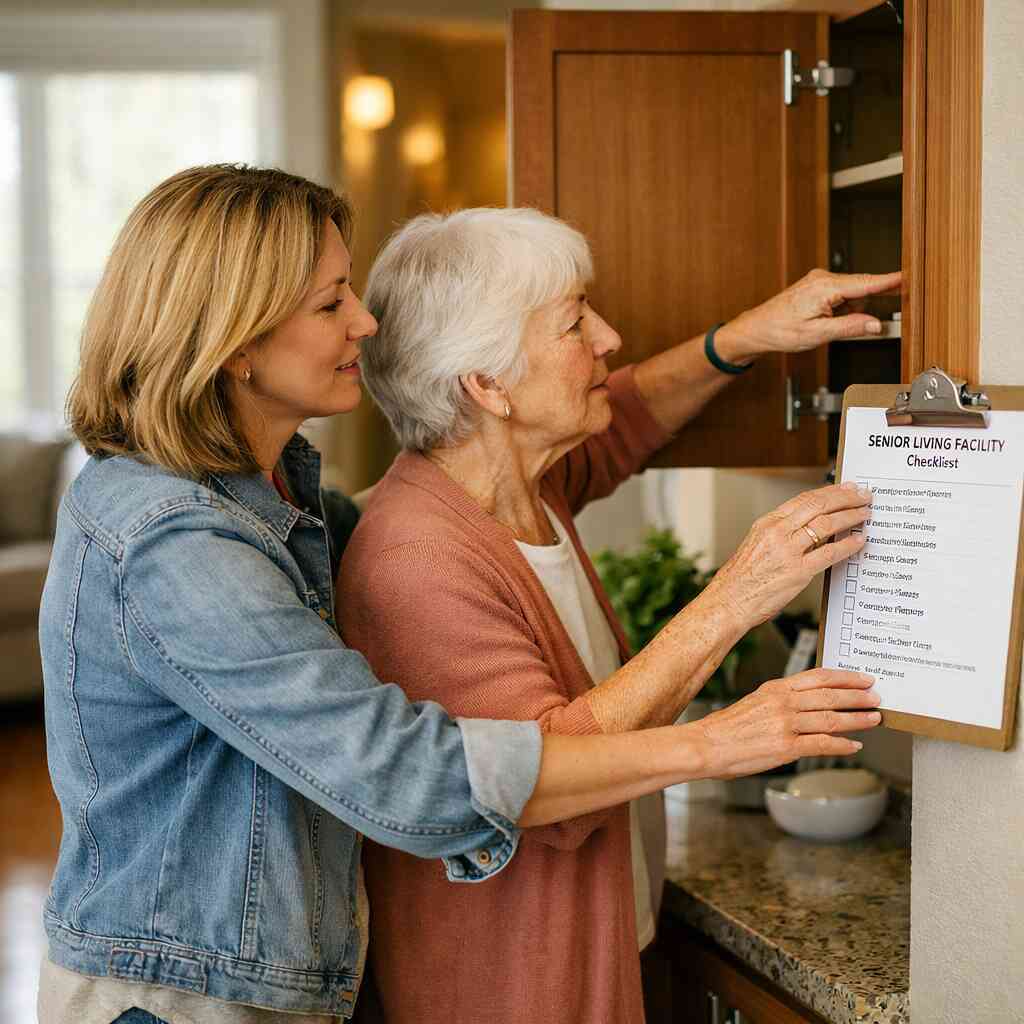
A simple checklist to use during tours
Bring a notebook and record the same details at each place:
- Type of care offered
- Staff responsiveness
- Cleanliness and smell
- Food and dining experience
- Memory care support, if needed
- Safety features
- Licensing or oversight notes
- Monthly costs and extra fees
- Feel of the overall environment
Comparing the same categories makes your decision clearer.
Final thoughts
Choosing a senior living facility is a major family decision, and it should not be rushed. When you compare senior living facilities step by step, the process becomes easier to manage.
Start with care needs, observe closely, ask specific questions, review the paperwork, and pay attention to how the place feels. A good match should support safety, dignity, and daily life, not just look impressive during a tour.
How to Compare Senior Living Facilities in 10 Steps


Comments
Post a Comment