How to Choose a Nursing Home with 2026 Metrics
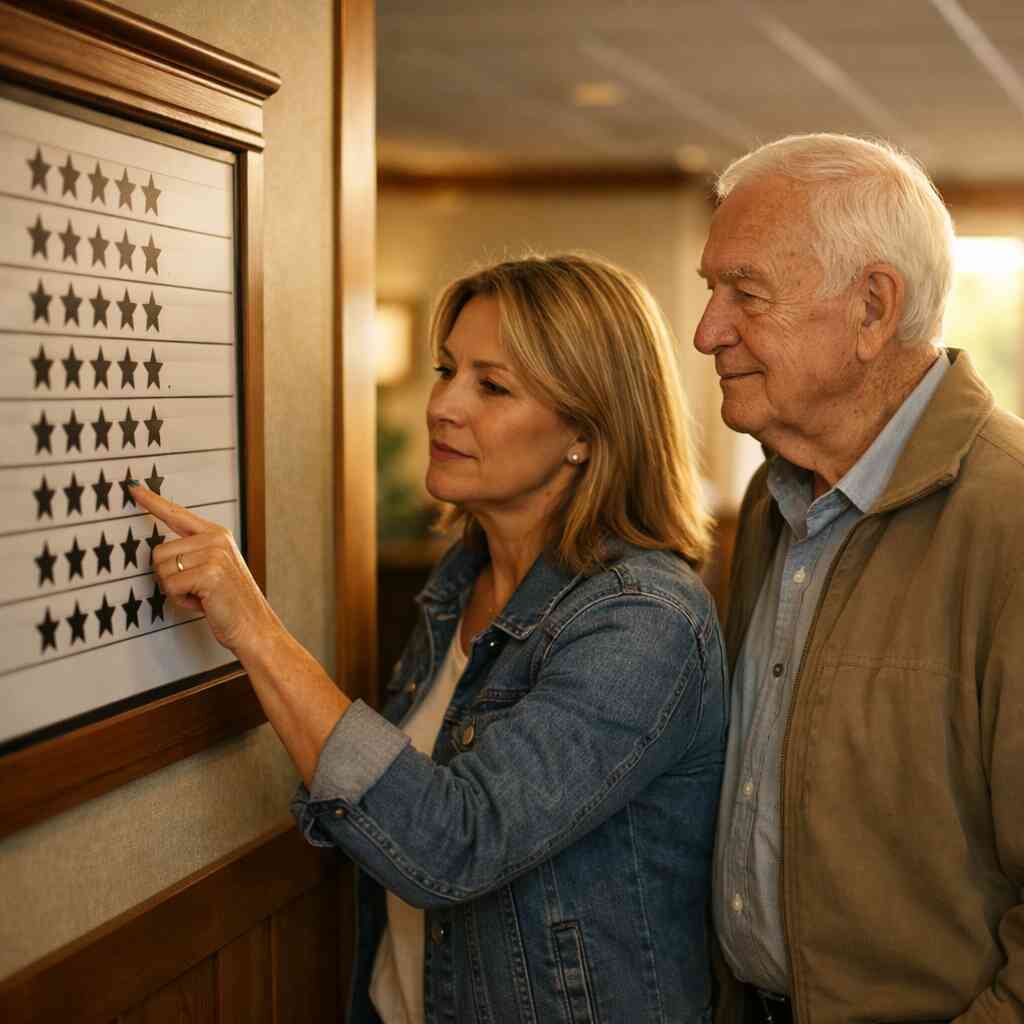
How to Choose a Nursing Home Using 2026 Quality Metrics
Choosing a nursing home in 2026 should start with quality metrics, not curb appeal. A clean lobby and friendly tour can be reassuring, but they do not show how a facility performs day to day. The most important question is simple: will this place provide safe, reliable care when families are not there?
Why first impressions can be misleading
A polished entrance tells you very little about staffing, response times, infection control, or medication management. Those are the details that affect comfort, safety, and dignity. A calm tour can also hide weak follow-through on care plans, especially in settings that serve residents with high medical needs.
That is why families should move beyond marketing materials and compare real performance data. The best nursing home is often not the one with the nicest décor. It is the one that consistently meets care standards.
Start with CMS star ratings
CMS star ratings remain one of the most useful ways to compare nursing homes quickly. They bring together three major areas:
- Health inspections
- Staffing
- Quality measures
These scores do not tell the whole story, but they create a strong starting point. A higher overall rating is helpful, yet it should never replace a closer look at each category. A facility can be strong in one area and weak in another.
When reviewing star ratings, ask:
- Are the inspection results consistent over time?
- Does staffing look stable across different shifts?
- Do quality measures suggest strong day-to-day care?
If one score stands out as weak, that is worth a deeper review.
Read inspection reports carefully
Inspection reports are often more revealing than a sales tour. They can show patterns of concern, repeated deficiencies, and whether the facility corrected earlier problems. Look for issues related to falls, call response, cleanliness, documentation, and resident rights.
A single citation does not automatically mean a bad facility. The key is whether there is a pattern and whether the home responds appropriately. Repeated problems are more serious than isolated mistakes.
Inspection reports help answer questions like:
- Does the nursing home follow basic safety standards?
- Are problems corrected in a timely way?
- Does the facility respect resident rights and care plans?
Pay attention to staffing levels
Staffing is one of the most important quality metrics because it affects nearly everything else. If a home is short-staffed, residents may wait longer for help, experience slower call light response, or receive less attention with daily activities.
A facility can look calm and still be stretched too thin behind the scenes. That is why families should ask about coverage during nights, weekends, and holidays. Those are often the times when care gaps become more visible.
Useful staffing questions include:
- How many nurses and aides are on each shift?
- Is staffing different on weekends?
- How are call lights and urgent needs handled?
- What happens when someone calls out sick?
Understand quality measures in daily care
Quality measures help show how a nursing home performs in practical, day-to-day care. These measures may reflect areas such as pressure injury prevention, falls, weight loss, infections, and the use of medications.
You do not need to memorize every metric. Instead, focus on whether the numbers suggest a well-managed facility or one that may be struggling with basics. If multiple measures point in the same direction, that pattern matters.
It can also help to ask how the facility tracks improvement. Strong nursing homes usually have clear routines for reviewing outcomes, identifying risks, and adjusting care plans.
Look beyond the numbers during your tour
Metrics give you the map, but a visit still matters. Use the tour to confirm what the data suggests. Watch how staff speak to residents. Notice whether call lights are answered promptly. Observe whether residents seem clean, comfortable, and engaged.
You can also ask practical questions during the visit:
- How are new residents admitted and assessed?
- How does the home handle emergencies?
- What is the plan for medication management?
- How are family concerns reported and resolved?
The answers should be specific, calm, and consistent. Vague responses can be a warning sign.
Compare facilities using the same standards
If you are choosing between several nursing homes, use the same checklist for each one. That makes comparison much easier. Focus on:
- CMS star ratings
- Inspection history
- Staffing levels
- Quality measures
- Cleanliness and resident engagement during the visit
- Responsiveness of staff to questions
This approach helps remove emotion from the decision and brings the focus back to care quality.
Watch for common warning signs
Some warning signs are easy to miss when a building looks polished. Be cautious if you notice:
- Frequent delays in staff response
- Unclear answers about night or weekend coverage
- Repeated inspection problems
- Low staffing compared with other facilities
- Residents who appear unattended or unsettled
These signs do not always prove poor care, but they deserve attention. Trust patterns more than promises.
A practical final thought
Choosing a nursing home is never just about choosing a building. It is about choosing a system of care. In 2026, the best way to do that is to combine quality metrics with direct observation and careful questions.
If you stay focused on ratings, inspection reports, staffing, and daily care quality, you are much more likely to choose a place that protects health and dignity. That is the real goal.
The right nursing home should feel less like a sales tour and more like a dependable place where care is consistent, visible, and accountable.
How To Choose A Nursing Home Using 2026 Quality Metrics


Comments
Post a Comment