Pet-Friendly Senior Living Facilities in 2026
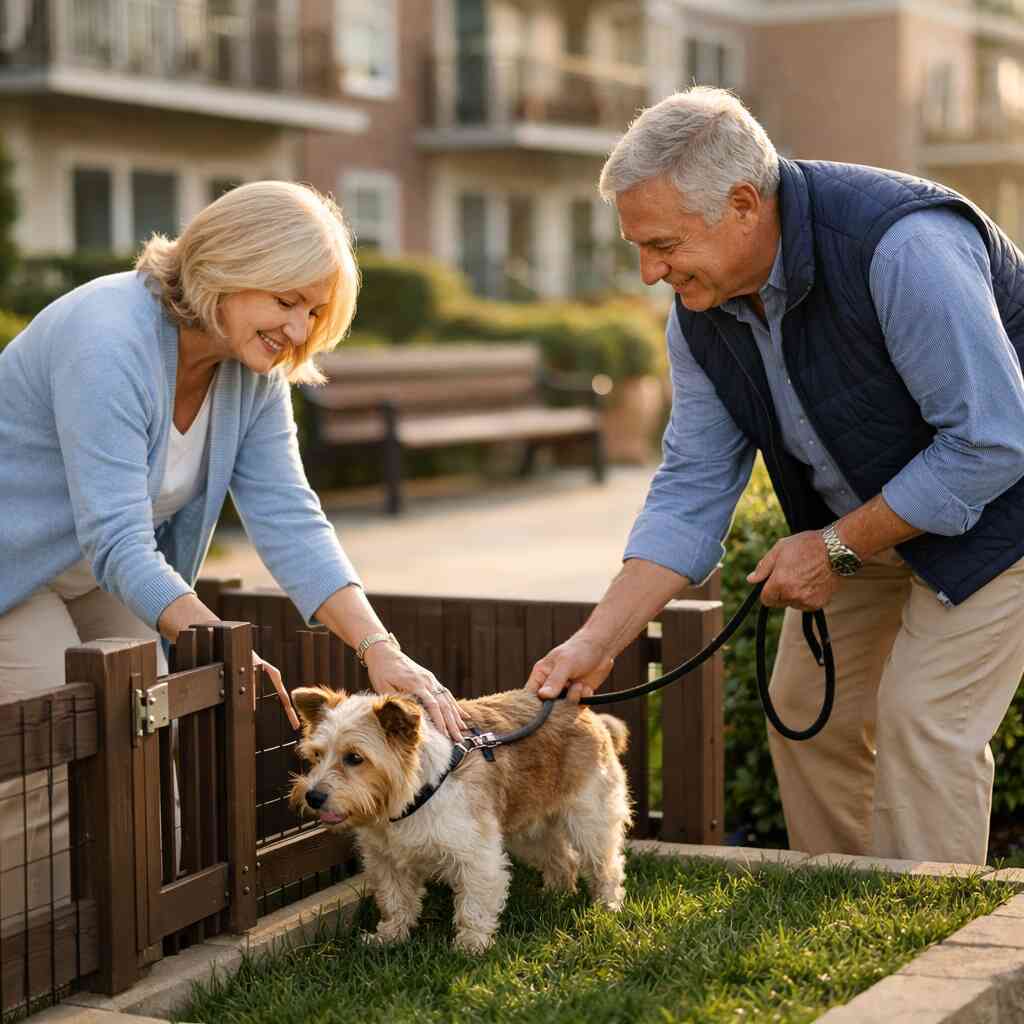
Pet-Friendly Senior Living Facilities in 2026
Pet-friendly senior living facilities can make a major difference in how comfortable a move feels. For many older adults, keeping a dog or cat nearby is not a small preference. It is part of daily routine, companionship, and emotional well-being.
This guide explains what pet-friendly senior housing really means, how to compare communities, and what to look for before making a decision.
Why pet-friendly housing matters
A move into senior living is easier when a beloved pet can come too. A familiar animal can reduce stress, encourage routine, and make a new setting feel like home faster.
That is why families often look for:
- Pet-friendly assisted living
- Pet-friendly independent living
- Pet-friendly retirement homes
- Senior apartment rentals with animal rules that are clear and fair
The goal is not only to allow a pet. The goal is to support daily life without creating extra stress for the resident or the animal.
What pet-friendly actually means
The term pet-friendly can be broad, so it is important to ask for details in writing. A community may allow pets but still have limits that affect day-to-day living.
Common rules include:
- Weight limits for dogs
- Breed restrictions
- Limits on the number of pets per apartment
- Vaccination and licensing requirements
- Cleaning or damage deposits
- Rules about leashes in shared spaces
- Expectations for waste cleanup
Some communities also ask about backup care if the resident is hospitalized or temporarily unable to care for the pet.
The right questions to ask
When comparing senior living communities, ask practical questions early. This helps avoid surprises later.
Useful questions include:
- Is the pet policy written and easy to review?
- Are cats, dogs, or both allowed?
- Is there a size or weight limit?
- Are there designated outdoor pet relief areas?
- Can staff help connect residents with pet care services?
- What happens if a resident cannot care for the pet for a short time?
- Are visiting pets allowed?
These details matter more than marketing language. A community may say it welcomes pets, but daily convenience is what really determines comfort.
Signs a community may not be a good fit
Some senior living facilities are technically pet-friendly but still difficult for pet owners. Watch for red flags during a tour.
Possible warning signs include:
- Staff give vague answers about pet rules
- No written policy is available
- There is no safe place for walks
- Hallways are long or difficult for pets to manage
- The building has limited outdoor access
- No one can explain how pet care works during emergencies
If a community avoids the topic, that is usually a sign to keep looking.
Pet-friendly assisted living vs. independent living
Pet-friendly assisted living is often the best fit for seniors who need help with daily tasks but do not want to part with a pet. These communities may provide support with meals, medication reminders, and personal care while still allowing a companion animal.
Pet-friendly independent living is often better for residents who want fewer chores and a simpler lifestyle, but still manage most daily tasks on their own.
The right option depends on two things:
- The level of care needed.
- The pet’s ability to adapt to the setting.
A resident with a calm small dog may do well in many communities. A resident with a larger or more active pet may need more outdoor space and easier ground-floor access.
Pet policies and emotional support animals
It is important to understand the difference between a regular pet policy and housing rules that may apply to service animals or emotional support animals.
A community’s pet policy is usually its own set of rules for ordinary pets. Service animals and emotional support animals may follow different housing requirements. Because the rules are different, families should ask for clear guidance before assuming a pet will be treated the same as any other animal.
How to compare communities fairly
A polished lobby does not always mean the best fit. For pet owners, practical design matters more than appearance.
Compare communities based on:
- Walkability
- Access to outdoor space
- Ease of getting outside quickly
- Elevator access
- Flooring that is easy to clean
- Noise levels in common areas
- Staff responsiveness
A modest community with good outdoor access may be a far better choice than a beautiful building that is hard for pets to navigate.
Tips for a smoother move
If a move is likely, planning ahead can make the transition easier for both the resident and the pet.
Helpful steps include:
- Keep vaccination records organized
- Pack familiar pet bedding and toys
- Maintain feeding schedules as much as possible
- Label food, medicine, and care instructions clearly
- Ask whether a ground-floor unit is available
- Visit the property with the pet if the community allows it
Pets often react strongly to changes in routine, so a familiar setup can help them settle in faster.
Final thoughts
The best pet-friendly senior living facilities are not just the ones that allow animals. They are the ones that make daily life realistic, safe, and comfortable for both resident and pet.
If a pet is part of someone’s identity and routine, it deserves a central place in the housing decision. By asking detailed questions and looking beyond the brochure, families can find a community that supports care without asking for an impossible choice.
Best Senior Living Facilities for Pet Friendly Housing in 2026


Comments
Post a Comment