Aging in Place Costs vs Senior Housing: What to Expect
Aging in Place Costs vs Senior Housing: What to Expect
Aging in place costs can look lower at first, but the full monthly price often grows once care, safety upgrades, and daily support are added. Senior housing costs are usually easier to compare because many services are bundled.
This guide breaks down the real differences so families can make a clearer decision.
Why aging in place can seem affordable at first
Staying at home feels familiar and, on paper, it may avoid rent or a move-in fee. That is why many families assume it is the cheaper option. But a home still needs care, and an older adult who needs help with daily tasks often needs paid support too.
The first costs are usually small. Then they expand. A grocery run turns into regular delivery. A ride to an appointment becomes scheduled transportation. A few hours of housekeeping become ongoing help several days a week.
That is when aging in place expenses start to resemble a full care budget rather than a few small errands.
Common aging in place expenses
The costs of staying at home are often spread across several categories. Families may not think of them as one bill, but they add up quickly.
Typical aging in place expenses include:
- In-home care for bathing, dressing, meal prep, and mobility support
- Home health care after a hospital stay or for ongoing medical needs
- House cleaning, laundry, and basic household tasks
- Transportation to appointments, shopping, and social activities
- Meal delivery or grocery support
- Medication reminders and care coordination
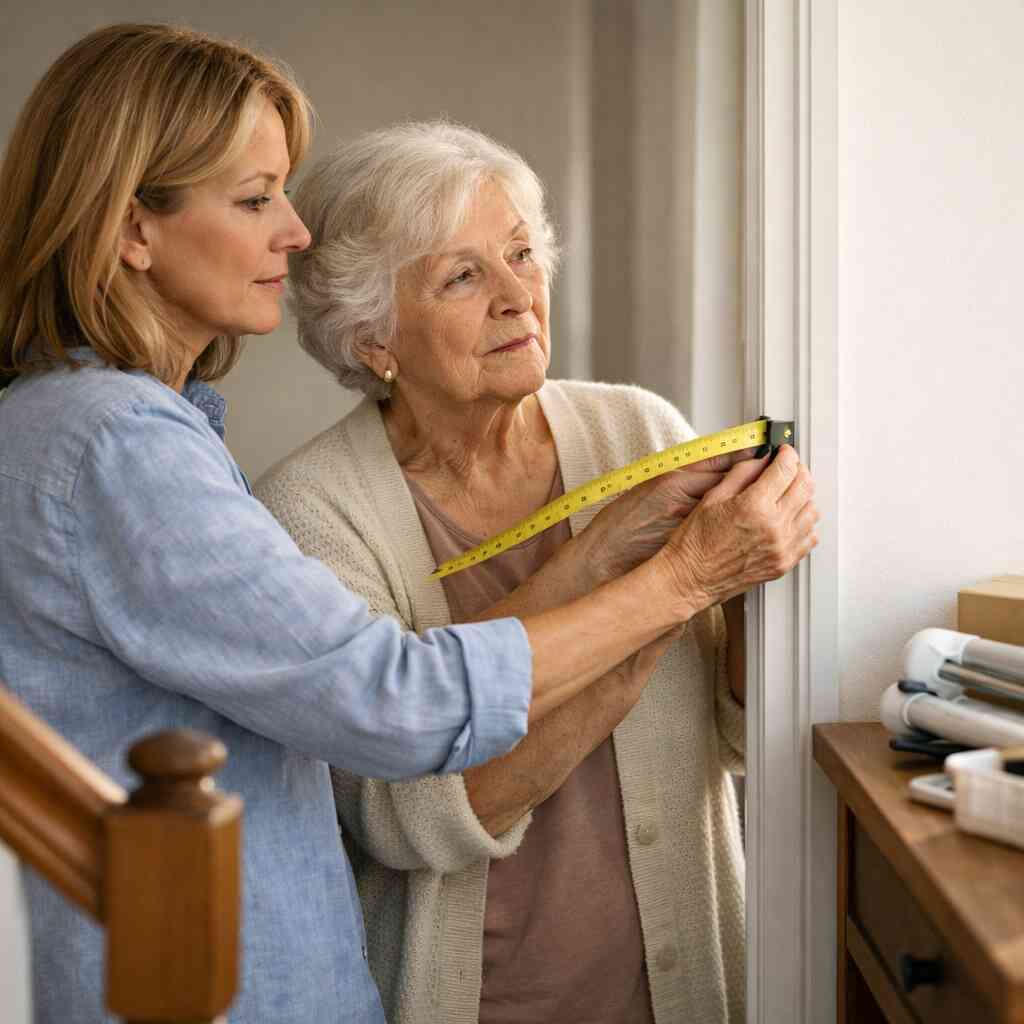
- Safety updates such as grab bars, ramps, stair lifts, or better lighting
- Emergency response systems
- Respite care when family caregivers need a break
Some costs are one-time. Others are recurring. The recurring costs are often the ones that surprise families most.
The hidden cost of staying in the family home
Aging in place is not only about paid services. There are also hidden costs that do not always appear in a budget spreadsheet.
For example, a family caregiver may reduce work hours, use vacation time, or take on more stress than they can manage long term. That unpaid labor has real value. Home repairs also become more important when a person is living alone or needs a safer environment.
A simple fall can trigger more spending too. A need for grab bars, a walker-friendly layout, or a repair after an accident can change the total cost very quickly.
This is why “staying home” is not automatically the least expensive option.
How senior housing costs are usually structured
Senior housing is often easier to budget for because many services are packaged together. Depending on the level of care, monthly pricing may include housing, meals, maintenance, social activities, and some level of support.
Common senior housing options include:
- Independent living for active seniors who want less upkeep
- Assisted living for people who need help with daily tasks
- Senior apartments for those who want age-friendly housing with fewer maintenance demands
- 55+ communities for adults who want a senior-focused environment
The biggest advantage is predictability. Instead of paying several separate vendors, families can often compare one monthly rate against another.
Aging in place vs senior housing: the real comparison
The best comparison is not just home versus apartment. It is total support versus total support.
Ask these questions:
- How much hands-on help is needed each day?
- Will family caregivers be able to keep providing that help?
- Are home modifications needed for safety and mobility?
- Are transportation and errands already becoming difficult?
- Would a bundled monthly cost make planning easier?
- Is the person safer and less isolated in a community setting?
If the answer to many of these questions is yes, the cost of aging in place may be higher than expected.
When senior housing may be the more practical choice
Senior housing may make more sense when care needs are becoming steady rather than occasional. It is often a better fit when:
- The person needs help most days
- Family caregivers are burned out
- The home is difficult to maintain
- Safety is becoming a concern
- Social isolation is growing
- Costs at home are no longer predictable
In those situations, the value of senior housing is not just convenience. It is structure, consistency, and fewer surprises.
When aging in place can still work well
Staying home can still be the right choice for many people. It often works best when the older adult is fairly independent, the home is safe, and support needs are limited.
Aging in place can be a strong option if:
- The person needs only light help
- Family or paid support is reliable
- The home is already accessible or easy to adapt
- Transportation is manageable
- The monthly budget can handle both care and maintenance
In those cases, staying home may offer comfort and control without an overwhelming financial burden.
A simple way to think about the numbers
When comparing aging in place costs with senior housing costs, look at the full picture:
- Add up in-home care and household support.
- Include home repairs and safety upgrades.
- Count transportation, meals, and medication help.
- Factor in family caregiver strain and lost time.
- Compare that total with the monthly cost of senior housing.
This approach gives a more honest view than comparing rent alone to a mortgage payment alone.
Final thoughts
Aging in place can be the right choice, but it is not always the least expensive one. As care needs increase, home support costs often grow in many small steps. Senior housing, by contrast, may offer a clearer monthly structure and fewer unexpected expenses.
The best decision depends on care needs, safety, family support, and long-term affordability. A careful side-by-side comparison can help families choose the option that is both sustainable and realistic.
What Does Aging in Place Cost Compared with Senior Housing


Comments
Post a Comment