Board and Care Homes: A Practical Senior Living Guide
Board and Care Homes: A Practical Senior Living Guide
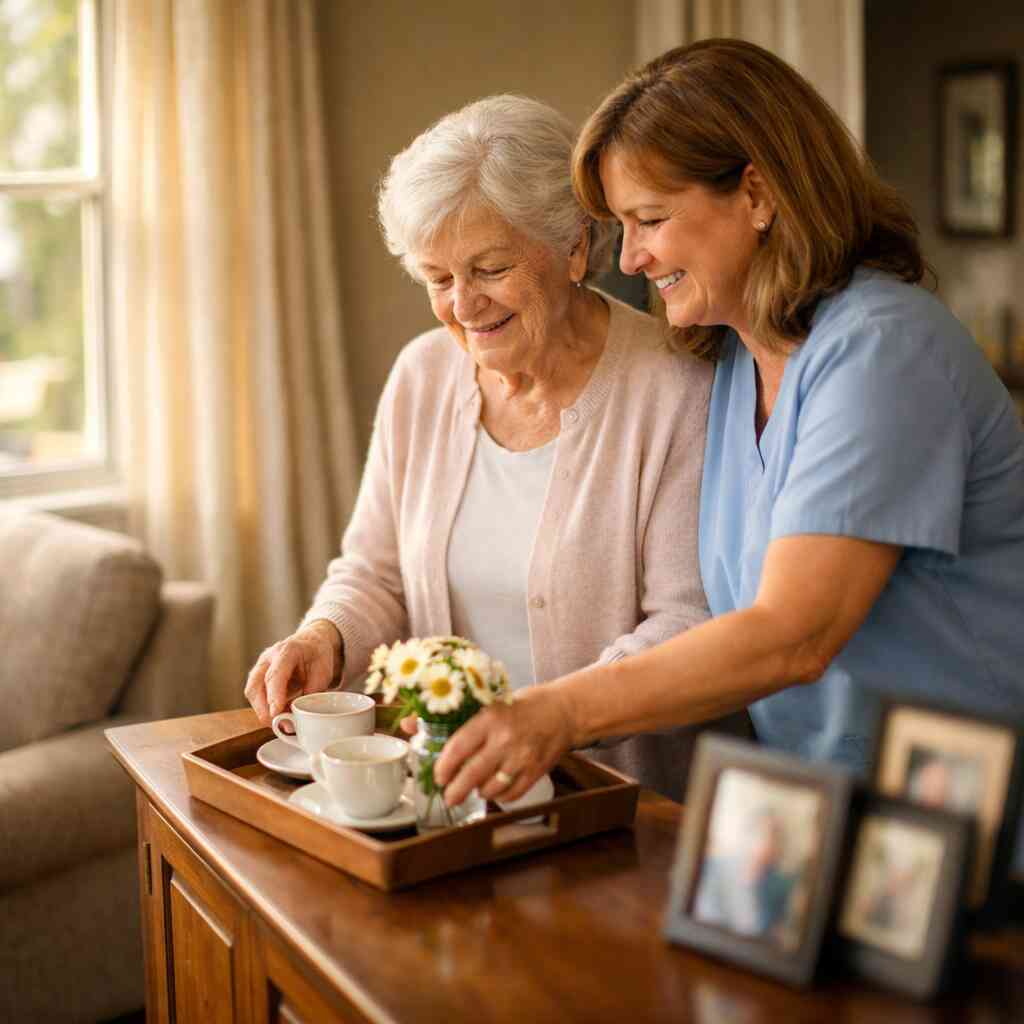
Board and care homes are a smaller senior living option that can make a big difference when a larger community no longer feels like the right fit. They offer a home-like setting, more personal attention, and a calmer daily rhythm. For many families, that combination is exactly what a loved one needs.
When a smaller setting starts to make more sense
Larger senior living facilities can work well for active seniors who enjoy a busy social schedule. But some older adults begin to struggle with too much noise, too many choices, or a layout that feels hard to manage. You may notice:
- skipped meals because the dining room feels overwhelming
- less interest in group activities
- missed reminders for medications or appointments
- confusion in hallways or shared spaces
- fatigue from constant stimulation
These changes do not always mean a person needs a higher level of medical care. Often, they mean the current environment does not match the person’s needs or personality.
What a board and care home is
A board and care home is a small residential setting that provides room, meals, supervision, and help with everyday tasks. The setting is usually much smaller than a traditional assisted living community. That smaller size often creates a quieter, more familiar atmosphere.
In general, board and care homes are designed for seniors who need:
- help with bathing, dressing, or grooming
- meal support and regular routines
- medication reminders
- supervision for safety
- a more personal, less crowded environment
These homes are often known by other names depending on the state, such as residential care homes or adult family homes. The name may change, but the basic idea is the same: a small place where care feels more personal.
How board and care homes compare with other senior housing
It helps to understand where board and care homes fit in the broader senior living landscape.
Independent living communities
Independent living is best for older adults who can manage daily life mostly on their own. These communities often focus on convenience, social activities, and age-friendly housing. They usually do not provide hands-on personal care.
Retirement homes and 55+ communities
These options can be great for social connection and maintenance-free living. However, they are not built to provide routine care support. If someone needs help bathing, dressing, or remembering medications, they may need a different setting.
Assisted living communities
Assisted living provides personal care and support in a larger community environment. Many people do well there. Still, some seniors feel lost in a bigger building or become stressed by the pace and activity.
Nursing homes
Nursing homes are for people who need a higher level of medical supervision and skilled care. They are more clinical in nature and are not the right match for someone who mainly needs daily support and a calmer home-like environment.
Who may do well in a board and care home
Board and care homes often work well for older adults who value routine, privacy, and a quieter pace. They may be a good fit for someone who:
- feels overwhelmed in larger communities
- wants more one-on-one attention
- does better with familiar faces and predictable routines
- needs moderate help with activities of daily living
- does not require round-the-clock skilled nursing care
This can be especially helpful for seniors who become anxious in crowded buildings or who no longer enjoy large group settings. A smaller home can reduce stress and help daily life feel more manageable.
Why the environment matters so much
The physical setting plays a major role in daily comfort. In a smaller home, there are usually fewer residents, fewer interruptions, and less noise. That can make mealtimes, rest, and personal care feel easier.
For many seniors, the goal is not more activity. It is the right amount of support in a place that feels calm and familiar. A board and care home may offer:
- steadier routines
- more personal attention from caregivers
- less confusion from large layouts
- a stronger sense of privacy and dignity
- a more household-like feel
That can be especially valuable for seniors who are sensitive to noise or who do best when life is simple and predictable.
Questions to ask when comparing options
If you are exploring senior housing, it helps to compare the daily experience, not just the floor plan or list of services. Useful questions include:
- How many residents live in the home?
- What help is available with bathing, dressing, and meals?
- How are medications managed?
- What happens if needs increase over time?
- How structured is the daily routine?
- How often do caregivers interact with residents?
These questions can help you see whether a smaller home will truly meet your loved one’s needs.
The takeaway
Board and care homes are not simply “smaller assisted living.” They are a different kind of senior living option, built for people who need support but may do better in a quieter, more personal environment. For families trying to choose between assisted living, residential care, and nursing care, understanding this option can make the next step much clearer.
If a loved one seems worn down by a large senior living facility, a board and care home may offer the calmer, more individualized setting they need.
Senior Living Facilities Explains Board and Care Homes


Comments
Post a Comment