Pet Friendly Assisted Living in 2026: Top 5 Benefits
Pet Friendly Assisted Living in 2026: Top 5 Benefits
Pet friendly assisted living in 2026 is about more than allowing an animal to live in the building. It is about making a move feel possible, protecting routines that matter, and supporting emotional well-being during a major life transition. For many older adults, a pet is part of home. When that bond is respected, assisted living can feel less like a loss and more like a safer next step.
1. It can remove the biggest barrier to a move
For some families, pet policy is the issue that keeps every conversation stuck. An older adult may be open to help, but not willing to leave a beloved cat or dog behind. In that case, a pet friendly community can change the entire discussion.
This matters because the pet is rarely just a pet. It often represents routine, comfort, and independence. When a community welcomes that bond, the move becomes easier to accept. The resident can focus on safety and support without feeling forced to give up a source of emotional comfort.
2. Pets help reduce loneliness and increase daily comfort
Assisted living can bring relief, but it can also bring adjustment stress. New surroundings, new schedules, and new faces may feel overwhelming at first. Pets help soften that transition.
A dog greeting its owner in the morning or a cat resting nearby can make a room feel familiar. That small presence often helps reduce loneliness and supports a calmer mood. Pets also create natural moments of connection. Neighbors, staff, and visitors often start conversations when they see an animal, which can make social interaction feel easier and more natural.
3. Daily pet care adds purpose and structure
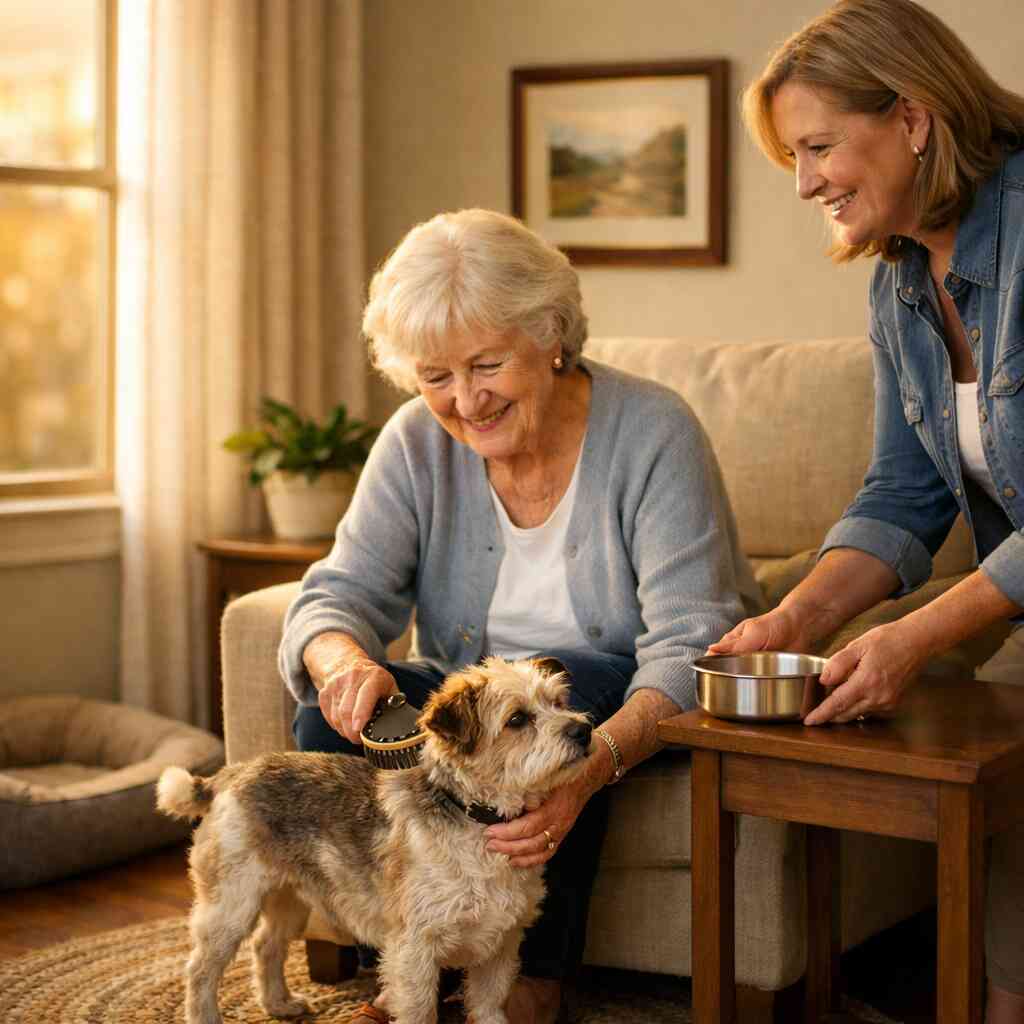
A major benefit of pet friendly assisted living is the way it supports routine. Feeding a pet, filling a water bowl, brushing fur, or going for a short walk gives the day a clear shape. That kind of structure can be especially helpful for older adults adjusting to a new environment.
Purpose matters. Many residents feel more grounded when they still have something meaningful to do each day. Even simple pet care tasks can create a sense of responsibility and independence. They can also support a healthier morning routine, better follow-through, and more consistent daily activity.
4. It may support emotional well-being during major life changes
Moving into assisted living is a major transition. Even when the move is the right decision, it can bring grief, worry, or hesitation. Pets can help ease that emotional strain.
A familiar animal offers steady companionship during a period of change. For many older adults, that companionship helps create emotional stability. It can make the new environment feel less clinical and more personal.
Families often notice this in practical ways. A resident may settle in faster. They may seem more willing to unpack, decorate their room, or spend time in common areas. These are small signs, but they often point to a better adjustment overall.
5. It can encourage more connection with staff and neighbors
Pets often become a bridge to community life. In a well-managed pet friendly assisted living setting, animals can help residents connect with one another in everyday moments.
That might happen in a hallway, a courtyard, or during a morning walk. Someone asks about the pet’s name. Another resident shares a story about a dog they once had. Staff members may also engage more naturally when an animal is part of the resident’s routine.
These interactions matter because social connection is a key part of a good assisted living experience. A pet can make those connections easier to start and easier to maintain.
What to ask before choosing a pet friendly community
Not every community that says it is pet friendly offers the same level of support. Before making a decision, it helps to ask a few practical questions:
- Are there breed, size, or species limits?
- Is documentation required, such as vaccination records?
- What happens if the resident becomes temporarily unable to care for the pet?
- Are there designated outdoor areas or walking spaces?
- Are there extra fees or monthly pet charges?
- How are cleaning, noise, and safety concerns handled?
These details matter because a true pet friendly policy should work in daily life, not just on paper. A community may allow pets, but the layout, staff support, or rules may still make things difficult. Clear answers are a good sign. Vague answers usually are not.
Why this matters in 2026
In 2026, many families are looking for senior living options that balance safety with dignity. Pet friendly assisted living fits that need well because it supports both practical care and emotional comfort. For older adults who love animals, the ability to keep a pet can be the difference between refusing a move and accepting help.
That is why pet policy should be part of every assisted living comparison. It is not a small detail. It can shape how comfortable, confident, and settled a resident feels from day one.
Final thoughts
The top benefits of pet friendly assisted living are simple but important: easier transitions, less loneliness, more daily purpose, better emotional comfort, and stronger social connection. For many older adults, those benefits are deeply meaningful.
If you are comparing communities, look beyond the label. Ask how pets are supported, where they can go, and what daily life would actually look like. The right setting should protect both safety and the bond between a person and their pet.
Top 5 Benefits of Pet Friendly Assisted Living in 2026


Comments
Post a Comment