Skilled Nursing vs Respite Care: Key Differences Explained
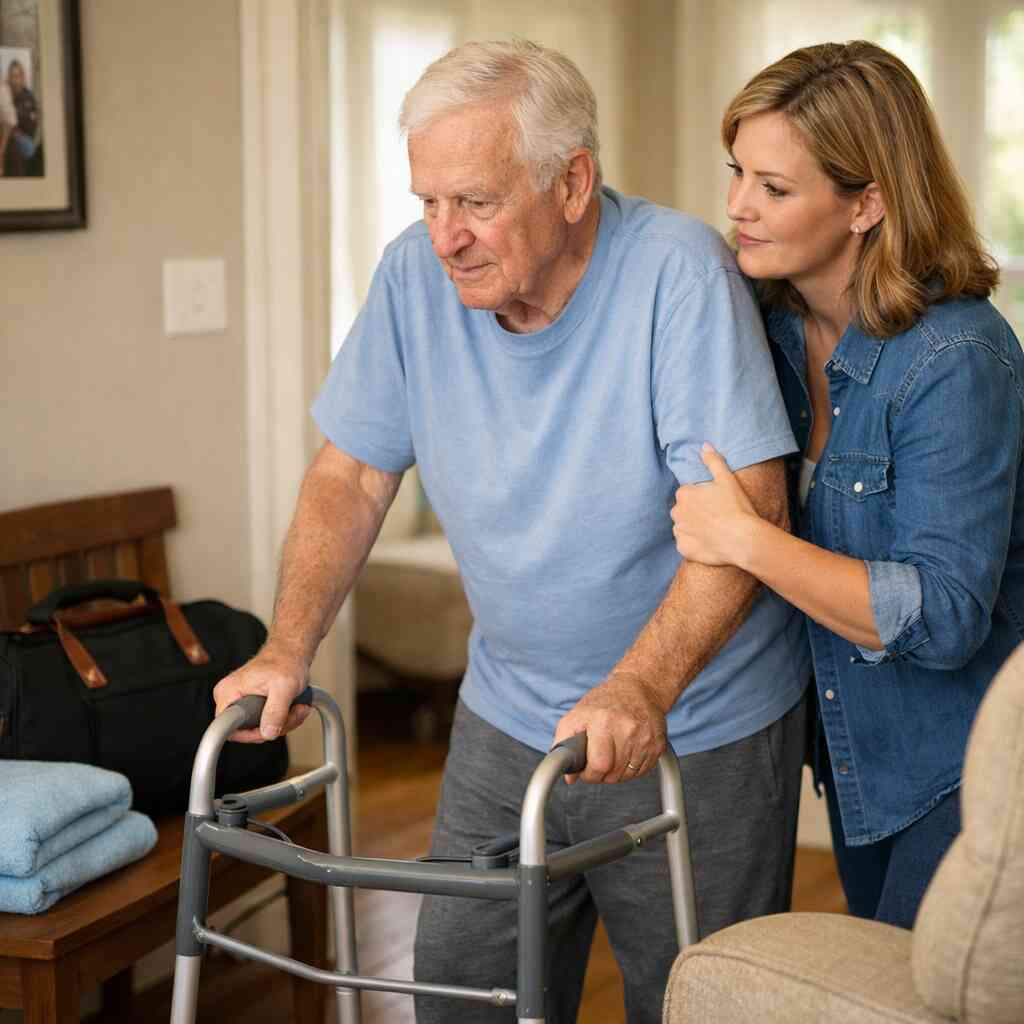
Skilled Nursing vs Respite Care: What Families Need to Know
Skilled nursing and respite care are often mentioned together, but they are not the same. Skilled nursing is for medical recovery and clinical support. Respite care is for short-term relief for a caregiver, with supervision and basic support.
When a hospital discharge happens fast, the difference matters. The right setting depends on what the person needs each day, not just on how long the stay will last.
Why the two services get confused
Both options can be temporary. Both can help after a health event. Both can ease stress for families. That is why people often assume they serve the same purpose.
In practice, they solve different problems.
- Skilled nursing supports recovery after illness, surgery, or injury.
- Respite care gives a family caregiver time to rest, travel, or handle other responsibilities.
- Skilled nursing involves clinical oversight.
- Respite care is usually more focused on supervision, comfort, and daily support.
If a loved one needs wound care, medication changes, therapy, or close monitoring, skilled nursing is usually the better fit. If the main goal is a safe short stay while a caregiver takes a break, respite care may be enough.
What skilled nursing includes
Skilled nursing is designed for people who need hands-on medical care during recovery. It is more intensive than help with meals or housekeeping.
Services may include:
- Nursing supervision
- Medication management
- Wound care
- Therapy services such as physical, occupational, or speech therapy
- Monitoring for changes in condition
- Help with transfers and mobility during recovery
This level of care is common after a hospital stay when someone is not yet ready to go home safely. It can also be helpful after a fall, surgery, infection, or serious decline in function.
What respite care includes
Respite care is short-term care that gives a regular caregiver a needed break. It is often used by families caring for an older adult at home.
Respite care may include:
- Supervision and safety support
- Help with bathing, dressing, and meals
- Medication reminders
- Social interaction
- Basic assistance with daily routines
The goal is not rehabilitation. The goal is relief and continuity of care while the caregiver steps away for a short time.
How to tell which option fits best
A simple way to think about it is this:
- Choose skilled nursing when there is a medical recovery plan.
- Choose respite care when the main need is temporary caregiver relief.
Ask these questions:
- Does the person need nursing or therapy?
- Is there a recent surgery, fall, or hospital discharge?
- Are medication changes or wound care involved?
- Can the person safely manage daily activities with supervision only?
- Is the family caregiver exhausted or unavailable for a short period?
The answers usually point to the right level of care.
Skilled nursing is not the same as assisted living
Families sometimes compare skilled nursing with assisted living or independent living, but those settings serve different needs.
Assisted living is typically for people who need help with daily routines such as bathing, dressing, or meals. Independent living is for older adults who want convenience and community without daily care. Skilled nursing is more medically focused and is built for recovery and clinical support.
That is why the setting matters so much after a hospital discharge. A person may seem stable, but still need therapy, nursing visits, or closer monitoring than a regular home setup can provide.
Aging in place has limits
Aging in place can work well when the home is safe and the person’s needs are manageable. But stairs, falls, confusion, medication complexity, and caregiver burnout can make home care difficult.
When that happens, families may need to rethink the plan. Sometimes the answer is short-term skilled nursing after a hospital stay. Sometimes it is respite care while the family decides next steps. And sometimes it is a longer-term move to a more supportive setting.
The best choice is the one that matches the current need, not the wish for things to stay the same.
Questions to ask before making a decision
Before choosing a care setting, it helps to ask:
- What level of medical support is needed?
- Is rehabilitation part of the plan?
- How long is the stay expected to be?
- Who will manage medications and follow-up care?
- What does the person need most right now: recovery support or caregiver relief?
These questions can quickly narrow the options and reduce stress.
Final thoughts
Skilled nursing and respite care both serve important roles, but they are designed for different situations. Skilled nursing is for people who need medical recovery and close clinical support. Respite care is for short-term relief when a caregiver needs time away.
If the choice feels unclear after a hospital discharge or a sudden health change, start with the person’s daily needs. That usually makes the right path easier to see.
The Difference Between Skilled Nursing and Respite Care


Comments
Post a Comment