Aging in Place vs Senior Housing: How to Decide
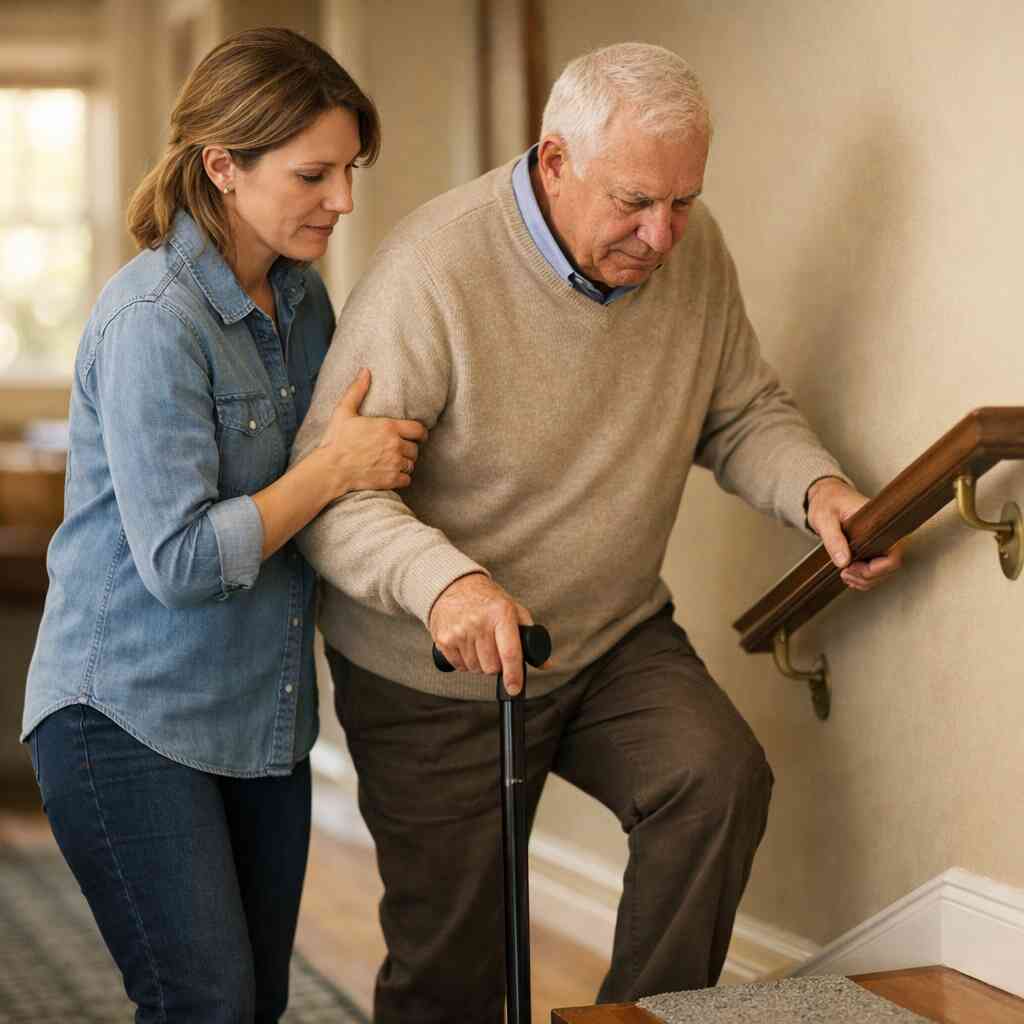
Aging in Place vs. Senior Housing: How to Decide
Aging in place means staying in your own home as you get older. Senior housing becomes the better choice when safety, health needs, or daily support begin to exceed what the home can realistically provide.
For many families, this decision does not arrive all at once. It builds slowly. A missed meal here, a fall there, a stack of unopened mail by the door. At first, these changes seem manageable. Then they start to affect safety, comfort, and peace of mind.
What aging in place really means
Aging in place is not just about living at home. It is about being able to live there safely and with enough support.
That support might include:
- Help with meals
- Transportation to appointments
- Light housekeeping
- Medication reminders
- Home modifications like grab bars or better lighting
When these supports are in place, many older adults do very well at home. They keep routines, stay in familiar surroundings, and maintain a sense of independence.
When staying home starts to strain
The challenge is knowing when the home is still working and when it has become too difficult to manage.
Some common warning signs include:
- Frequent falls or near-falls
- Trouble getting up stairs or in and out of the bathtub
- Missed medications or double-dosing
- Spoiled food, poor nutrition, or skipped meals
- Bills going unpaid or mail piling up
- Poor hygiene or difficulty with dressing
- Increased confusion about daily tasks
A single mistake does not always mean a person can no longer live at home. But repeated issues usually point to a pattern. That pattern matters more than one bad day.
The difference between independence and safety
Many older adults strongly prefer to stay home. That preference deserves respect. But independence only works when it is supported by safety.
A person may still sound capable in conversation and insist that everything is fine. Meanwhile, daily life may be slipping in ways they do not fully see. This is one reason families often struggle with the decision. The home may still feel emotionally right, but functionally it may no longer be a good fit.
A useful question is not, “Does my loved one want to stay home?” The better question is, “Can the home still meet real needs without constant strain?”
When home care may be enough
In some cases, aging in place remains a strong option. Home care or part-time assistance may be enough when needs are fairly stable.
That may be true if the person:
- Needs help with a few tasks only
- Is safe when alone for part of the day
- Can manage medications with reminders
- Does not wander or become frequently disoriented
- Has a home that can be made safer with modest changes
This kind of plan often works best when family members, caregivers, and the older adult are all on the same page.
When senior housing may be the better option
Senior housing becomes more practical when daily support needs are too frequent, too complex, or too unpredictable for home care to cover well.
It may be time to consider senior housing when:
- The person needs regular supervision
- Falls or injuries keep happening
- Cooking, bathing, or dressing is becoming difficult
- Memory problems are affecting safety
- Family caregivers are exhausted or unable to fill the gaps
- The home is hard to modify safely
Senior housing does not mean giving up independence. In many cases, it can protect it. A supportive setting can reduce stress, improve routine, and make daily life easier to manage.
Common types of senior housing
Different needs call for different settings.
Independent living
This can be a good choice for older adults who are still largely self-sufficient but want a simpler lifestyle, fewer chores, and more social connection.
Assisted living
This is often appropriate when a person needs help with daily activities such as bathing, dressing, meals, or medication reminders.
Memory care
This is designed for people with dementia or other memory-related conditions who need more structure and supervision.
The best choice depends on the person’s health, level of independence, and long-term needs.
How families can think through the decision
A practical decision usually starts with an honest look at daily life. It helps to ask:
- What tasks are becoming hard right now?
- What risks are showing up more often?
- How much help is already being provided?
- Is that help sustainable?
- Would added support at home truly solve the problem?
If the answer to those questions suggests growing strain, senior housing may offer a better balance of safety and support.
A simple rule of thumb
Aging in place works best when the home can still match the person’s needs. Senior housing is often better when the person’s needs are outgrowing the home.
That is the heart of the decision. It is not really about age alone. It is about function, safety, and quality of life.
Final thoughts
There is no single right answer for every family. Some older adults do well at home for years with the right support. Others are safer and happier in a setting designed for their changing needs.
The most helpful approach is to look at the full picture honestly. When daily tasks, safety concerns, and caregiver stress begin to rise, senior housing may offer the stability that aging in place can no longer provide.
A thoughtful decision now can prevent a crisis later and make the next stage of life more secure and comfortable.
What Is Aging in Place and When Is Senior Housing Better


Comments
Post a Comment