Pet Friendly Assisted Living Near You: A Practical Guide
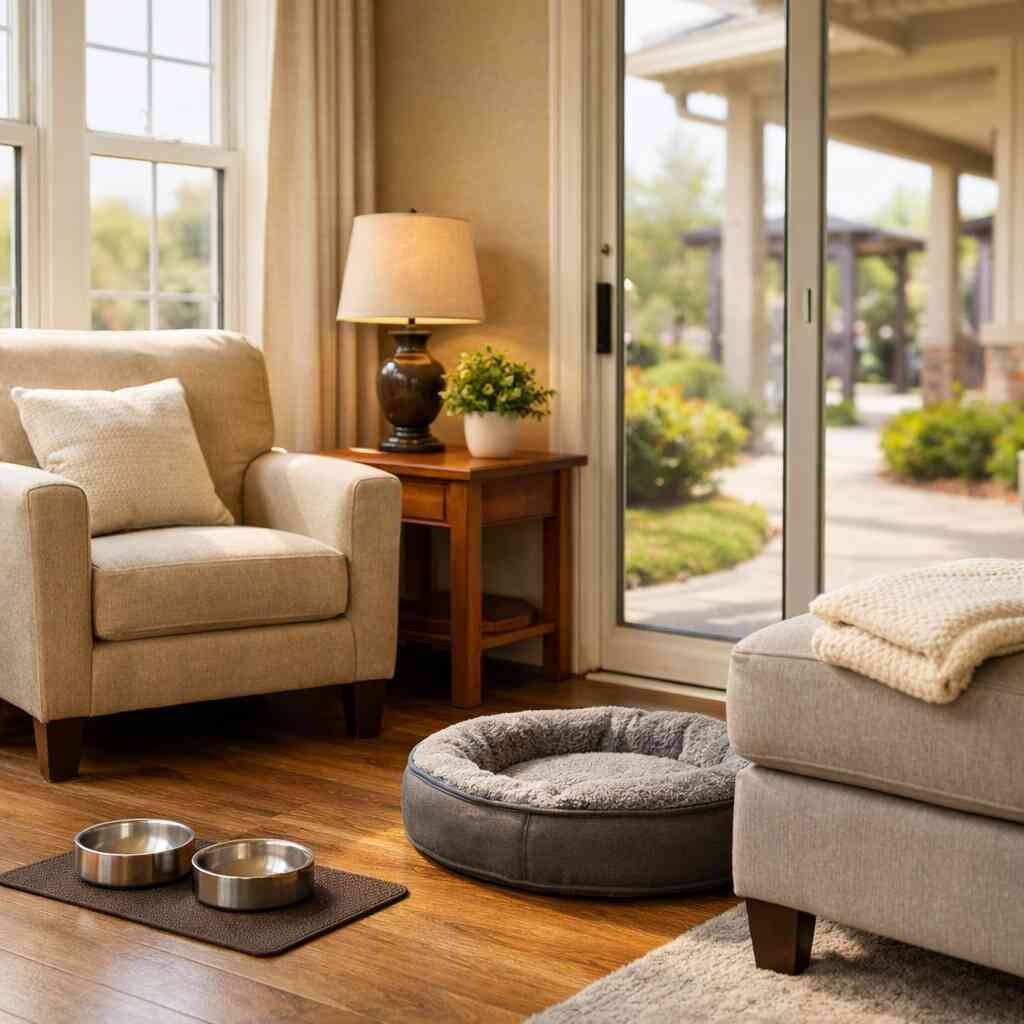
Pet Friendly Assisted Living Near You: A Practical Guide
Pet friendly assisted living can be a great option when a person wants support with daily living and also wants to keep a beloved pet nearby. The key is knowing how to separate a welcoming policy from a community that truly works in daily life.
This guide explains what to look for, what to ask, and how to compare options near you without wasting time.
What pet friendly assisted living usually means
A community may describe itself as pet friendly, but that does not mean every pet is accepted under every condition. Most communities set rules around:
- Pet size or weight
- Breed restrictions
- Number of pets allowed
- Vaccination and licensing requirements
- Cleaning expectations
- Deposits or pet fees
- Who is responsible for daily care
Some places also make a distinction between pets and support animals. That difference matters because the rules and approval process may not be the same.
Start your search with the right filters
The fastest way to narrow your search is to begin with a senior living directory or an assisted living locator that lets you filter for pet policies. From there, review the communities that appear to match your needs.
Do not stop at the listing page. Many online profiles are brief and may not show the full details. A direct phone call is often the best way to confirm whether the policy is real and whether it fits your situation.
When you compare places, look at more than just pet acceptance. The best match should also fit the resident’s care needs, budget, mobility, and daily routine.
Questions to ask before scheduling a tour
Before visiting, ask a few specific questions so you do not waste time on communities that are not a fit.
- What types of pets are allowed?
- Are there weight or breed limits?
- Is there a pet deposit or monthly pet fee?
- Are there restrictions on where pets can go inside the building?
- Who helps if the resident is sick, hospitalized, or temporarily unable to care for the pet?
- Are there rules for barking, litter boxes, or grooming?
- Does the community allow service animals or support animals under separate policies?
These questions help you understand whether the pet policy is practical or just friendly in theory.
Look at care needs at the same time
A pet policy should never be reviewed in isolation. The right assisted living community must also provide the care and support the resident needs.
Ask about:
- Help with bathing, dressing, and meals
- Medication support
- Staff availability and response times
- Fall prevention and mobility support
- Access to elevators, walking paths, or outdoor relief areas
- Memory care services if cognitive changes are part of the picture
A person may love the idea of keeping a small dog or cat, but the real question is whether they can still manage the animal safely every day. If the resident is recovering from an illness or has memory issues, pet care can become difficult very quickly.
Compare the home environment, not just the brochure
A community may welcome pets but still be stressful for the resident or the animal. During a tour, notice the practical details.
- Is there enough space for a pet bed, crate, or litter box?
- Are hallways easy to navigate?
- Is there a safe outdoor area for dogs?
- Does the building seem calm or noisy?
- Are staff members comfortable talking about pet-related needs?
A good pet friendly community should feel manageable, not complicated.
Think about costs early
Pet friendly assisted living may come with extra costs. Some communities charge a pet deposit, while others charge a monthly fee. In addition, the overall cost of assisted living may vary based on location, care level, and room type.
It can be helpful to ask:
- What is included in the base monthly rate?
- What costs extra?
- Are pet charges refundable?
- Are there separate fees for higher care needs?
- Are any financial assistance options available?
If budget is a concern, compare communities carefully. A lower monthly rate may not be the better value if the pet rules are too restrictive or the care support is too limited.
Watch for signs that a community is truly pet friendly
A genuine pet friendly assisted living community usually does more than allow pets on paper. It will often have clear rules, staff who can explain them, and a layout that supports daily life with animals.
Good signs include:
- Clear written pet policies
- Straight answers about restrictions
- Space for pet routines
- Reasonable backup care expectations
- Openness about deposits and fees
If the staff avoids your questions or gives vague answers, that is a warning sign.
When to ask for extra help
If the search feels overwhelming, a senior living advisor or referral service can help compare options. This can save time, especially if you are balancing pet needs, health needs, and budget concerns all at once.
That kind of guidance is especially useful if you are trying to find a community quickly after a hospital stay or a sudden change in care needs.
Final thoughts
Finding pet friendly assisted living near you is very possible, but the best choice is about more than a pet policy. It should support the person’s care needs, the pet’s daily routine, and the family’s peace of mind.
Take time to verify the rules, ask practical questions, and compare communities side by side. A thoughtful search now can prevent major stress later and help create a smoother move for both the resident and the pet.
How to Find Pet Friendly Assisted Living Near You Today


Comments
Post a Comment