Senior Housing Screening: A Family Guide to Safer Choices
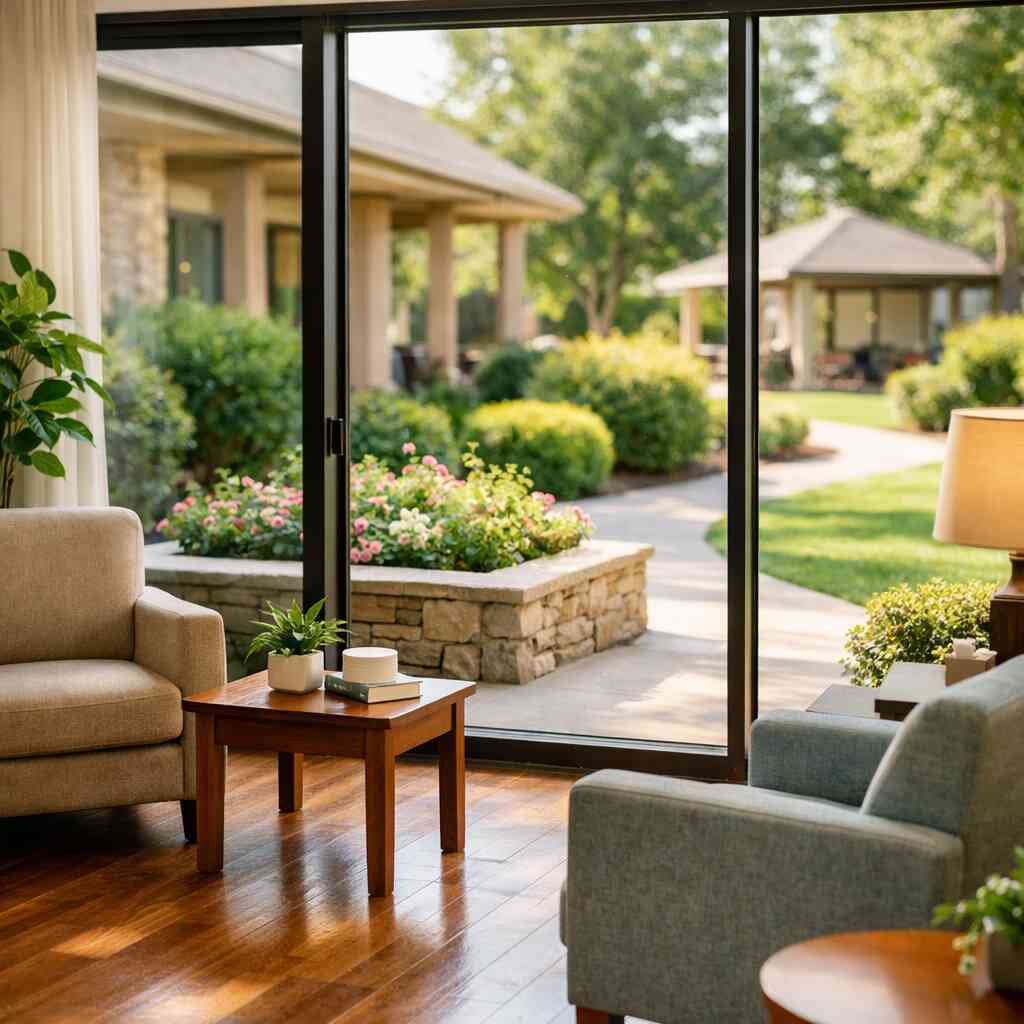
Senior Housing Screening: Why It Matters for Families
Senior housing screening matters because a friendly tour does not tell you whether a community can truly meet your loved one’s daily needs. Families need to check care levels, staffing, licensing, safety, and costs before making a decision.
A polished lobby can be reassuring. But the real question is whether the community can provide dependable support on an ordinary day, not just during a well-planned visit.
Why screening is more than comparing floor plans
When families begin looking at senior living, the search often starts with comfort, location, and appearance. Those things matter. But they are only part of the picture.
Screening becomes important when a loved one has changing health needs, memory concerns, falls, medication management issues, or trouble with daily tasks. At that point, the decision is no longer just about a nice apartment. It is about safety, supervision, and long-term fit.
A community may look ideal on the surface and still be a poor match if it cannot provide enough support. That is why families should look beyond the tour and ask what daily life is actually like.
What a good screening should cover
A strong screening process helps families compare communities in a practical way. It should focus on real care, not just marketing.
Ask these questions early:
- What level of care is the community licensed to provide?
- What staff is available during nights, weekends, and holidays?
- How are medication support, bathing, dressing, and transfers handled?
- What happens if care needs increase over time?
- Are there extra fees for services such as personal care, transportation, or memory support?
These questions help reveal whether the community can support your loved one now and later.
Why a warm tour is not enough
A tour can be helpful, but it is only a snapshot. Staff may be available, the dining room may be active, and residents may seem happy. That does not always reflect daily staffing patterns or the level of support available after move-in.
Families sometimes discover too late that the community was designed for a different level of need. For example, a place that works well for a more independent resident may not be the right fit for someone who needs regular reminders, close supervision, or help throughout the day.
It is wise to ask about everyday routines, not just amenities. A safe and supportive community should be able to explain how it handles common concerns such as falls, wandering, missed medications, and sudden changes in health.
The difference between care types
The right questions depend on the type of senior housing being considered.
Independent living
Independent living is usually best for active older adults who want less home maintenance and more convenience. Screening here should focus on lifestyle fit, access to services, and whether the resident can live safely without regular hands-on help.
Assisted living
Assisted living is designed for people who need help with daily tasks. Screening should focus on how much support is available, how staff respond when needs change, and whether the listed services are truly included or charged separately.
Memory care
Memory care is a structured setting for people with dementia or Alzheimer’s disease who need more supervision, routine, and safety support. Screening should pay close attention to staffing, secure design, cueing, and training related to memory loss and wandering risk.
Nursing homes
Nursing homes are generally for people with more serious medical or personal care needs. Families should confirm clinical support, supervision, and how medical issues are managed day to day.
Costs can change quickly
One of the most common mistakes families make is assuming the first quoted price is the final price. In reality, senior housing costs can vary based on apartment size, care level, location, and extra services.
That means two communities may look similar at first, but the monthly total can be very different once care needs are added. Screening should always include a clear review of base rent, service fees, and what happens if support needs increase.
This is especially important if you are comparing communities in different states or regions. Availability and pricing can vary a great deal, even when the care category sounds similar.
Public tools can help with the decision
Families do not have to rely only on a sales tour or a brochure. Public tools and trusted health information can help you compare options more confidently.
Helpful resources may include:
- State licensing and inspection records
- Federal quality and safety tools
- General senior health guidance from trusted public sources
These resources can help you verify whether a community’s claims match its record and services.
Questions that protect families from rushed decisions
Before you sign anything, it helps to slow down and ask practical questions:
- Who is responsible for care coordination?
- How often do staff check on residents?
- What is the process if the resident has a fall or medical emergency?
- How does the community handle nighttime supervision?
- Can the resident stay if memory or mobility needs increase?
- What is included in the monthly rate, and what costs extra?
These questions do more than fill a checklist. They help families understand whether a community is truly prepared to support their loved one.
The goal is fit, not just availability
A community can be honest, clean, and well-run and still not be the right fit for a specific person. That is why senior housing screening matters. The goal is not simply to find a vacancy. The goal is to find a place where your loved one can be safe, supported, and treated with dignity.
When families screen carefully, they reduce the chance of surprise costs, unnecessary stress, and disruptive moves later. They also gain confidence that the decision was based on real needs, not just first impressions.
Final thoughts
Senior housing screening gives families a clearer picture of care, safety, staffing, and overall fit. It helps you look past the presentation and focus on what matters most: whether the community can support daily life in a reliable way.
If you are comparing senior living options now, take your time, ask specific questions, and verify the details. A thoughtful screening process can make the difference between a stressful move and a confident choice.
Why Does Senior Housing Screening Matter for Families


Comments
Post a Comment