When to Consider Skilled Nursing Care for a Loved One
When to Consider Skilled Nursing Care for a Loved One
Skilled nursing care becomes worth considering when a loved one’s needs are no longer safe to manage at home. It is especially important after a hospital stay, a major fall, surgery, or a sudden change in health. In 2026, many families are facing this decision sooner than expected.
The challenge is that the need for skilled nursing does not always arrive in an obvious way. It often shows up through small signs that grow harder to ignore. A person may seem “okay” for part of the day, then become weak, confused, or unable to manage basic tasks later on. That pattern is often a warning that more than family help is needed.
Signs that home care may no longer be enough
A person may need skilled nursing when there is a mix of medical care and daily supervision that cannot be handled safely at home. Common signs include:
- Missed medications or confusion about dosage
- Frequent falls, near-falls, or trouble standing safely
- Sudden weakness that limits walking or transfers
- Worsening confusion, forgetfulness, or nighttime wandering
- Trouble managing oxygen, blood sugar, wounds, or catheters
- Poor appetite, dehydration, or repeated exhaustion
- A recent discharge that feels too soon
These signs matter because they affect both safety and recovery. When a person cannot follow directions, cannot remember care instructions, or cannot move around without assistance, the risk of another crisis goes up quickly.
Why repeated falls are such a serious warning
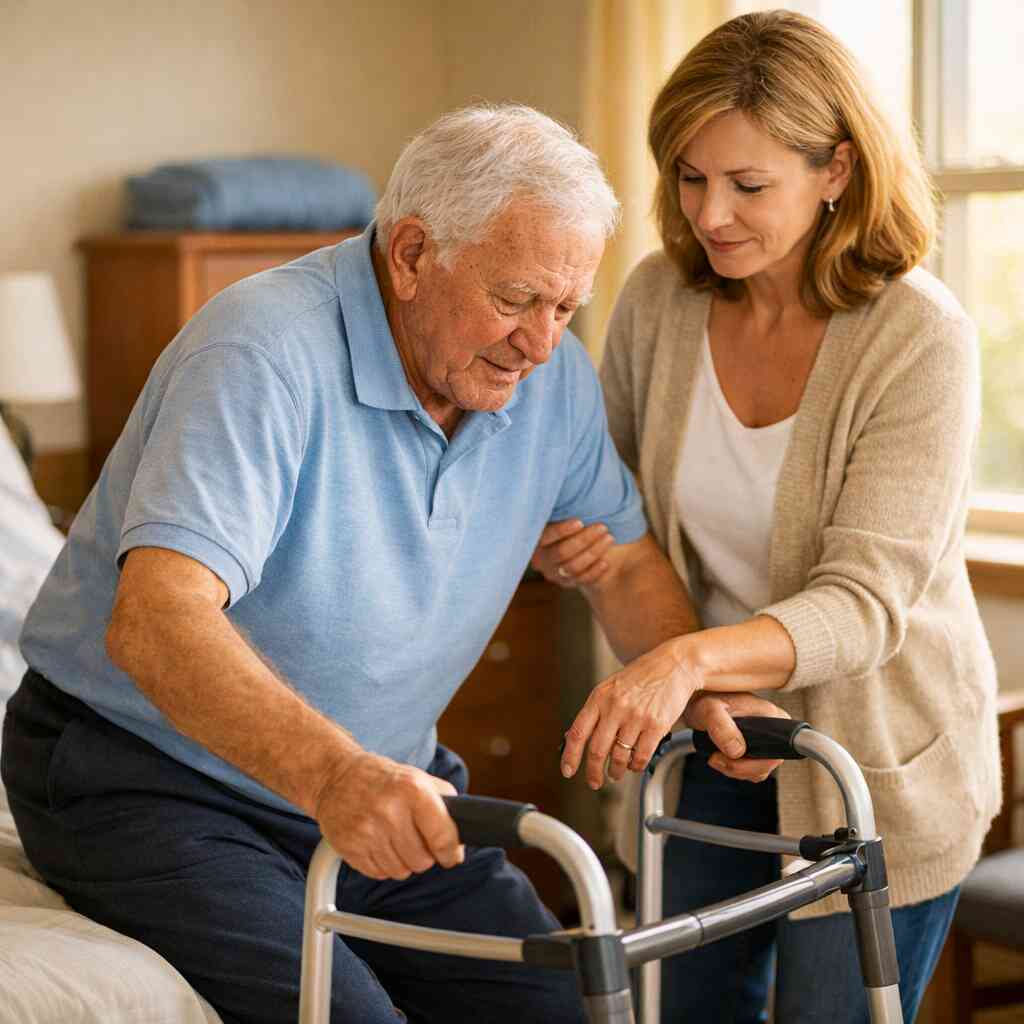
Falls are not just accidents. Repeated falls often point to a larger medical issue. Weakness, balance problems, medication side effects, vision changes, and poor coordination can all play a role. If a walker, grab bars, and family support are not enough, the home setting may no longer be the safest choice.
Skilled nursing can help by providing close supervision, mobility support, and rehabilitation services. That level of oversight may reduce the chance of another fall while the person regains strength.
When confusion signals a deeper need
Confusion is another major reason families begin looking at skilled nursing. This can include sudden forgetfulness, mixing up medications, not recognizing familiar routines, or becoming more confused in the evening. These changes can make a home unsafe very quickly.
Sometimes families first think about memory support, but memory issues and medical needs often overlap. A person may need help with both thinking changes and nursing care. In that case, skilled nursing may offer the structure and monitoring needed to keep the person safe.
Recovery after surgery or hospitalization
Many families assume home is the best place to recover after surgery or a hospital stay. Sometimes that is true. But when recovery requires wound care, physical therapy, medication monitoring, or help with basic movement, home may create more strain than support.
After hospitalization, one problem can lead to another. Pain may limit movement. Limited movement may lead to weakness. Weakness may lead to falls, skipped meals, or more confusion. That is why discharge planning matters so much. If the person needs round-the-clock observation or regular therapy, skilled nursing may be a better short-term or long-term solution.
Skilled nursing vs. assisted living in plain English
These two care settings are often confused, but they serve different needs.
Assisted living is usually best for people who need help with daily activities such as bathing, dressing, meals, and reminders. Skilled nursing is for people who need licensed clinical care, rehabilitation, or close medical monitoring.
A simple way to think about it is this:
- Assisted living supports daily life.
- Skilled nursing supports medical recovery and complex care.
That difference matters. If the main issue is convenience and support, assisted living may be enough. If the main issue is medical safety, skilled nursing is often the more appropriate setting.
Questions families can ask before deciding
If you are unsure whether skilled nursing is the right next step, these questions can help:
- Can my loved one safely get out of bed, use the bathroom, and move around?
- Are medications being taken correctly and on time?
- Is there a wound, infection, or medical condition that needs regular monitoring?
- Has confusion or memory loss made home care unsafe?
- Do we need therapy, nursing, or both after a hospital stay?
- Can family realistically provide the level of help that is now needed?
If the honest answer to several of these questions is no, it may be time to consider skilled nursing.
A practical way to think about the decision
Families often wait because they hope things will improve on their own. That is understandable. But waiting too long can increase stress for everyone involved. The goal is not to take away independence. The goal is to protect health, comfort, and safety.
When home support is no longer enough, skilled nursing can provide a safer bridge between hospital care and long-term stability. For some people, it is temporary rehabilitation. For others, it becomes the right long-term setting.
Final thought
If your loved one has repeated falls, growing confusion, medical needs that require supervision, or a recovery that feels too fragile for home, skilled nursing is worth considering. The sooner families recognize those signs, the easier it is to make a calm, informed decision.
This guide is meant to help families understand the difference between everyday support and true clinical care. When safety, recovery, and medical oversight become the priority, skilled nursing may be the next appropriate step.
When Should Families Consider Skilled Nursing in 2026


Comments
Post a Comment