Why Families Choose Board and Care Homes for Seniors
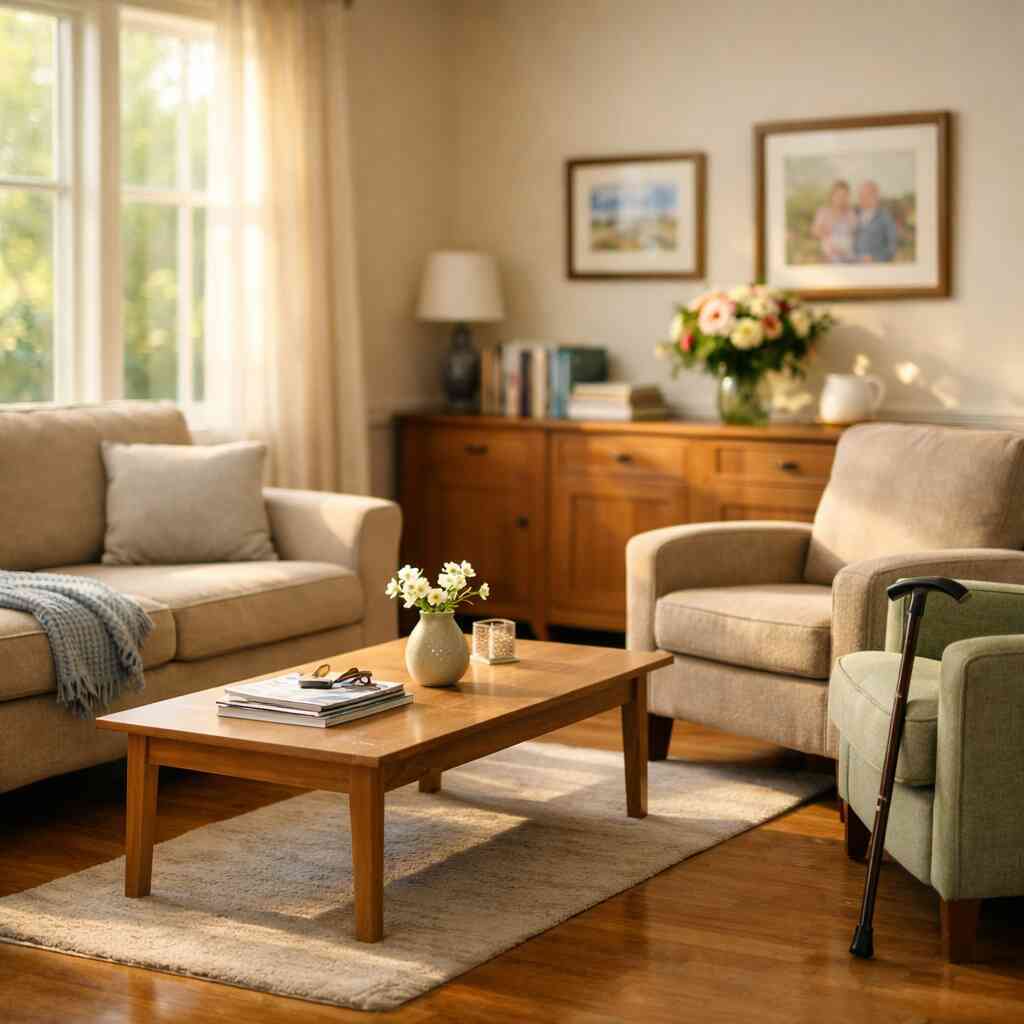
Why Families Choose Board and Care Homes for Seniors
Families often choose board and care homes for seniors when they want a more personal, calmer, and manageable level of support. These homes can feel safer and less overwhelming than larger senior living settings. For many older adults, that smaller environment makes daily life easier and more comforting.
What makes board and care homes different
Board and care homes are usually residential homes that serve a small number of seniors. They are not the same as large assisted living communities or nursing homes. The smaller size is one of the biggest reasons families consider them.
Instead of navigating long hallways and busy common areas, seniors live in a home-like setting with more direct attention from caregivers. That can be especially helpful for someone who needs help with meals, bathing, dressing, medication reminders, or supervision during the day.
Why families often prefer a smaller setting
A smaller home can reduce stress for both seniors and their families. Many people find that a quieter routine is easier to follow and less confusing than life in a larger facility.
Families often appreciate board and care homes because they can offer:
- More personal attention from caregivers
- A calm, home-like atmosphere
- Fewer residents and less noise
- Help with daily routines and basic care needs
- Easier communication with staff
This type of setting may be a strong fit when a loved one no longer does well living alone, but does not yet need full skilled nursing care.
Common reasons families start looking
Most families do not begin the search with board and care homes in mind. The decision usually comes after noticing that a current living arrangement is no longer working well.
Some common signs include:
- Missed meals or poor nutrition
- Difficulty keeping track of medications
- Trouble moving safely around the home
- Confusion about schedules or routines
- Increased anxiety in busy environments
- A caregiver at home feeling overwhelmed
These concerns do not always mean a nursing home is needed. Often, they mean the senior needs more support than independent living can provide.
How board and care homes compare to other senior living options
Families often compare several types of senior housing before making a decision. Understanding the differences can make the process easier.
Independent living communities
These are best for active seniors who need little day-to-day help. Residents usually live in private apartments or similar housing and enjoy a more independent lifestyle.
Assisted living locations
Assisted living offers help with daily tasks while still allowing a good level of independence. These communities are often larger than board and care homes.
Board and care homes
These work well for seniors who need more hands-on support in a smaller, quieter setting. The environment is usually more personal and less crowded.
Nursing homes
Nursing homes are designed for people who need more medical care, rehabilitation, or ongoing skilled supervision. They are more clinical than board and care homes.
Why the homelike environment matters
For many seniors, comfort is just as important as care. A familiar, residential setting can feel less institutional and more reassuring. That matters for older adults who may feel anxious in large communities or have memory-related concerns.
A smaller home can also make it easier to build routine. Seniors may eat at regular times, see the same caregivers more often, and move through the day with less confusion. Those steady routines can improve confidence and peace of mind.
What families hope to gain
When families choose board and care homes, they are often looking for a better balance between independence and support. They want their loved one to be cared for without feeling lost in a large system.
They may also hope to gain:
- Better oversight of daily needs
- Faster notice if something changes
- Less stress for the senior
- More peace of mind for family members
- A setting that feels more personal and less clinical
Questions to ask before choosing a board and care home
It is helpful to look closely at any home before making a decision. A few practical questions can guide the process:
- How many residents live in the home?
- What daily help is included?
- How are medications managed?
- What is the caregiver-to-resident ratio?
- How are meals and special diets handled?
- What happens if care needs increase over time?
- Is the home set up for mobility support and safety?
These questions can help families understand whether the home is a good match for current and future needs.
The bottom line
Families choose board and care homes for seniors because they often offer the right mix of support, comfort, and simplicity. The smaller setting can feel safer and more personal than a larger senior living facility. For a loved one who needs daily help but does not require full medical care, this kind of home may be a thoughtful and practical choice.
If you are comparing senior living options, it can help to focus on the person’s daily needs, comfort level, and long-term safety. The best choice is the one that supports both health and peace of mind.
Why Do Families Choose Board and Care Homes for Seniors


Comments
Post a Comment