Best Housing Options for Seniors 55 and Up in 2026
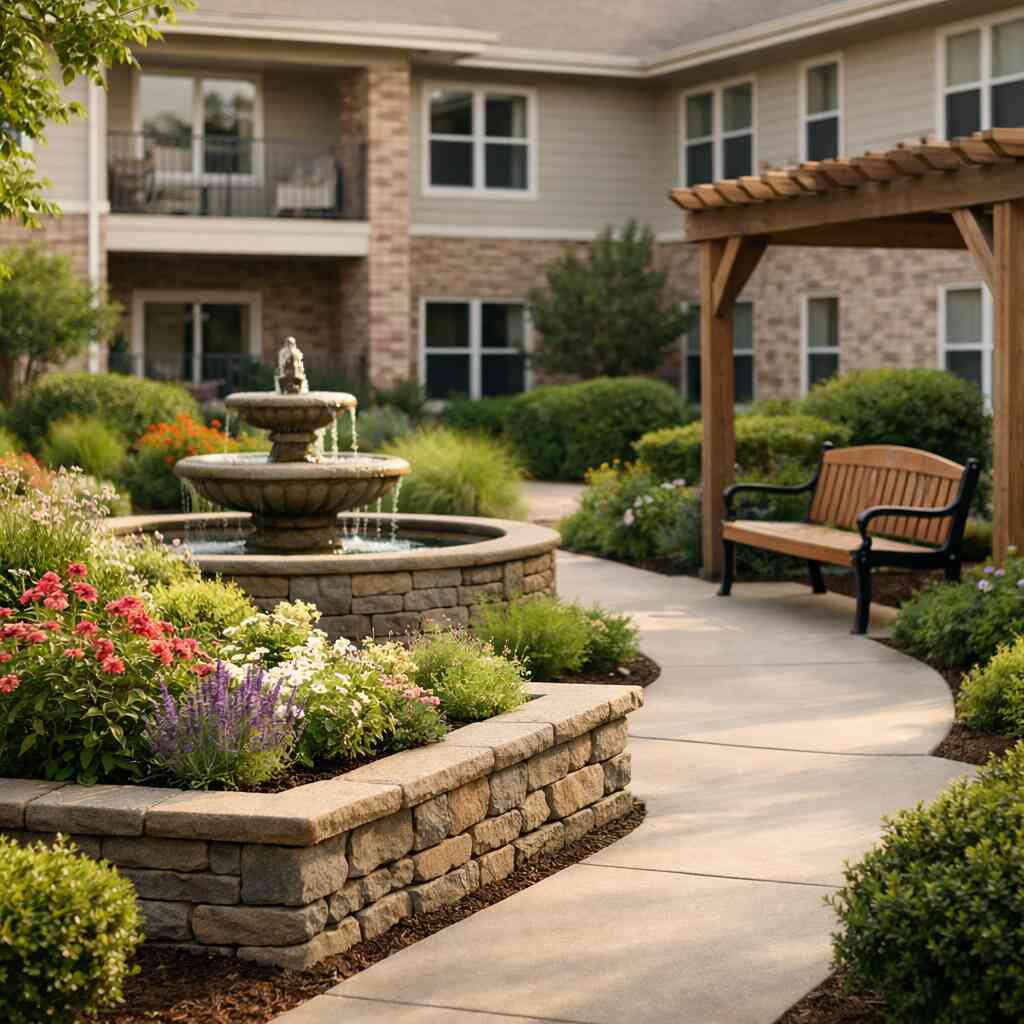
Best Housing Options for Seniors 55 and Up
Choosing the best housing options for seniors 55 and up is not only about monthly rent. It is about daily comfort, safety, support, and long-term value. The right choice depends on health needs, mobility, budget, and how much help a person wants with everyday life.
Some older adults want a simple, low-maintenance home. Others need meals, transportation, or hands-on care. The best housing fit is the one that matches those needs now and can still work as they change.
Why the cheapest option is not always the best value
A lower monthly cost can look attractive at first. But housing becomes more expensive when it does not match real needs. Extra costs may show up later through:
- ride services
- meal delivery
- housekeeping help
- medication reminders
- outside personal care
- an unexpected move to a higher level of support
That is why it helps to look beyond rent or fees. The real question is whether the setting reduces stress and supports daily life.
Common housing options for seniors 55 and up
1. 55+ apartments
These communities are designed for adults who want age-restricted housing with a quieter setting. They usually offer private apartments and basic maintenance support.
Best for:
- mostly independent adults
- people who want less home upkeep
- seniors who do not need daily care
55+ apartments can be a good fit when the person is active and self-sufficient. They may not include meals, transportation, or built-in social programming, so families should factor those needs into the total cost.
2. Independent living communities
Independent living communities are built for older adults who want convenience and social connection without medical care. They often include amenities such as dining options, activities, housekeeping, and transportation.
Best for:
- seniors who can manage daily routines
- adults who want a social environment
- people who want fewer chores and home responsibilities
This option can be especially helpful for someone who is doing well but does not want the burden of cooking, cleaning, yard work, or driving everywhere.
3. Assisted living
Assisted living is for seniors who need help with daily tasks but do not need full-time skilled nursing. Support may include bathing, dressing, meals, medication reminders, and help getting around.
Best for:
- seniors who need regular personal support
- people who struggle with medication routines
- adults who want help while still keeping some independence
This level of care often works well when a person is safe enough to live with freedom, but not fully independent anymore.
4. Memory care
Memory care is designed for people living with dementia or Alzheimer’s disease. These communities focus on safety, structure, routine, and staff trained to support memory-related challenges.
Best for:
- seniors with cognitive decline
- people who wander or become confused
- families who need a secure setting
Memory care is more specialized than standard assisted living. It is usually the better choice when memory loss affects safety, medication use, or basic daily routines.
5. Nursing homes
Nursing homes provide the highest level of residential medical support. They are designed for people who need skilled nursing care, rehab services, or ongoing medical supervision.
Best for:
- seniors with complex medical needs
- people recovering from serious illness or injury
- adults who need frequent nursing oversight
This option is not the right fit for everyone. But when health needs are significant, it can provide the support that lower-care settings cannot.
Assisted living vs nursing home
One of the most important comparisons is assisted living vs nursing home. These two options may sound similar, but they serve very different needs.
Assisted living
- Help with daily activities
- More privacy and independence
- Less medical oversight
- Good for seniors who need support but still want freedom
Nursing home
- Higher medical supervision
- More structured daily care
- Better for complex health conditions
- Good for people who need skilled nursing or close monitoring
A simple way to think about it is this: assisted living supports daily living, while a nursing home supports ongoing medical care.
How to choose the right fit
The best housing option depends on more than age. It helps to look at function, safety, and support needs.
Ask these questions:
- Can the person bathe, dress, and move around safely?
- Are meals, housekeeping, or transportation becoming difficult?
- Is medication management a concern?
- Is memory loss affecting safety or routine?
- Is medical care needed often?
- Does the person want more social connection or more privacy?
If the answer is mostly independent, a 55+ apartment or independent living may be enough. If help is needed with several daily tasks, assisted living may be a better match. If there is serious memory loss or medical complexity, memory care or a nursing home may be more appropriate.
Money, coverage, and planning ahead
Budget is always part of the decision. But it is important to understand what different programs may or may not cover. Some families look at Medicaid options, Medicare coverage for skilled care, VA benefits, or long-term care insurance when planning for senior housing.
Because rules can vary, it is wise to compare costs carefully and ask what is included in the monthly rate. Some communities bundle meals, utilities, transportation, and activities. Others charge separately for those services.
A practical way to compare senior housing
A good search process saves time and reduces stress. Start by comparing housing types side by side, then visit the communities that match the person’s needs.
Look for:
- clear pricing
- safety features
- staff availability
- transportation options
- meal plans
- social activities
- level of care offered
- rules for changing care levels later
It can also help to speak with a trusted senior living advisor or use a directory that organizes options by care level and location. That makes it easier to narrow choices without feeling overwhelmed.
Final thoughts
The best housing options for seniors 55 and up are the ones that fit real life, not just a price tag. A low-cost apartment may work well for a fully independent adult. An assisted living community may be better when daily support is needed. Memory care or a nursing home may be the safest choice when health or cognition changes.
The goal is to find housing that supports dignity, safety, and peace of mind. When those pieces line up, senior housing becomes more than a place to live. It becomes a better way to live.
What Are the Best Housing Options for Seniors 55 and Up


Comments
Post a Comment