5 Modern Amenities Redefining Senior Living in 2025
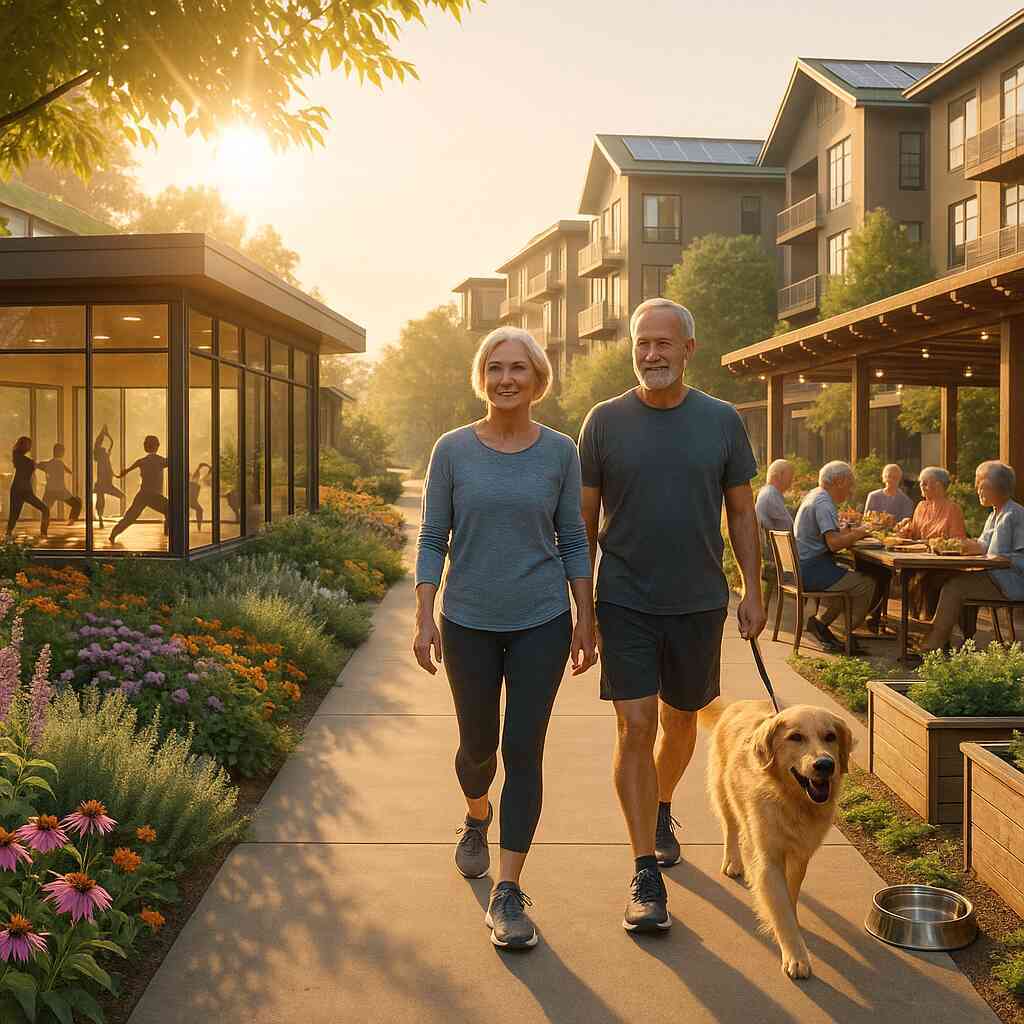
A new generation of older adults is approaching retirement with expectations that go far beyond safe shelter. They want purpose, flexibility, and services that let them keep writing an active life story. This overview breaks down the five features most responsible for turning today’s senior living communities into vibrant places to thrive rather than merely reside.
1. Personalized Wellness Ecosystems
Adaptive fitness for every body
Small-group classes led by certified trainers now replace the old single-station weight rooms. Resistance bands, pneumatic-air machines, and balance platforms allow residents with arthritic joints or limited range of motion to exercise safely. Pre-session screenings and fall-prevention warm-ups keep injuries low and confidence high.
Whole-person support under one roof
Modern campuses weave medical, nutritional, and mental-health resources into a single plan. Telehealth booths in common areas link residents to primary-care teams. Dietitians host grocery trips and cooking demos that match each member’s cardiac or diabetic needs. On-site counselors run stress-management groups so residents can talk through life transitions without leaving the property.
Key takeaway: Bundling fitness, preventive care, and emotional support reduces hospital visits and helps residents stay independent longer.
2. Integrated Cognitive Engagement
Evidence-based brain workouts
Communities offering memory care have embraced cognitive stimulation therapy. Residents join small circles to tackle word puzzles, reminiscing prompts, and tactile art projects—all proven to slow cognitive decline and lift mood.
Technology that meets residents where they are
Touch-screen tables display interactive history quizzes, music playlists from one’s youth, and digital paint programs. Voice-assistant devices let those with limited mobility control lights or call family hands-free, preserving autonomy even as some abilities change.
Key takeaway: Regular mental challenges, paired with easy-to-use tech, extend meaningful communication and reduce isolation.
3. Purpose-Driven Programming and Social Connection
Curated schedules, not one-size-fits-all calendars
Instead of a single daily bingo slot, activity directors now survey residents about interests and then craft themed tracks—gardening clubs, Spanish classes, or volunteer tutoring at the local elementary school. Flexible sign-ups give introverts quiet studio time while extroverts join group excursions.
Spaces designed for community
You’ll find craft breweries, community gardens, and rooftop pickleball courts built right into modern campuses. Shared makerspaces encourage residents to teach one another woodworking, pottery, or 3-D printing. The result: organic friendships, not forced icebreakers.
Key takeaway: Having a sense of purpose—not just time fillers—correlates with better mental health and higher resident satisfaction.
4. Flexible Housing and Pricing Models
A menu of unit styles
From downtown lofts embedded in mixed-age developments to standalone cottages on quiet suburban acreage, seniors can now choose the environment that best fits their lifestyle. Open floor plans, accessible bathrooms, and smart-home sensors come standard regardless of square footage.
Transparent, adaptable contracts
Communities increasingly offer month-to-month leases, bundled service tiers, and clear upgrade paths to assisted living or memory care. Families can compare options much like they would streaming plans—pay only for what you need today, add support when health changes tomorrow.
Key takeaway: Choice and clarity replace the fear of “locking in” to the wrong arrangement, empowering older adults to move sooner rather than later.
5. Seamless Technology for Safety and Convenience
Smart-home integrations
Motion sensors track daily patterns and flag anomalies—such as a missed kitchen visit—that could signal a health issue. Automated lighting reduces fall risk at night. Voice-activated thermostats and blinds let residents with arthritis adjust their environment without strain.
Family and staff dashboards
Secure apps give relatives real-time updates on activity participation, medication confirmations, and care-plan notes. Staff receive automatic alerts when a resident’s wearable device detects irregular heart rhythms or sudden drops, enabling proactive intervention.
Key takeaway: Technology acts as a safety net and communication bridge, not a replacement for human care, adding peace of mind for everyone involved.
Putting It All Together
When evaluating senior living options in 2025, square footage alone tells only part of the story. Ask about:
• How wellness programs adapt to individual abilities.
• Specific cognitive engagement strategies for both independent and memory-care residents.
• Opportunities for meaningful volunteer or creative work.
• Flexibility in contracts and ability to scale care services.
• The role of technology in both daily convenience and long-term safety.
The communities that deliver on these five pillars consistently report higher resident happiness, fewer unplanned hospital visits, and longer average stays. For older adults ready to trade home-maintenance chores for a lifestyle of wellness and connection, these life-enhancing features mark the difference between simply aging and actively thriving.
Top 5 Life-Enhancing Features of Senior Living Today


Comments
Post a Comment