Choosing the Ideal Senior Living Location: Key Factors in 2025
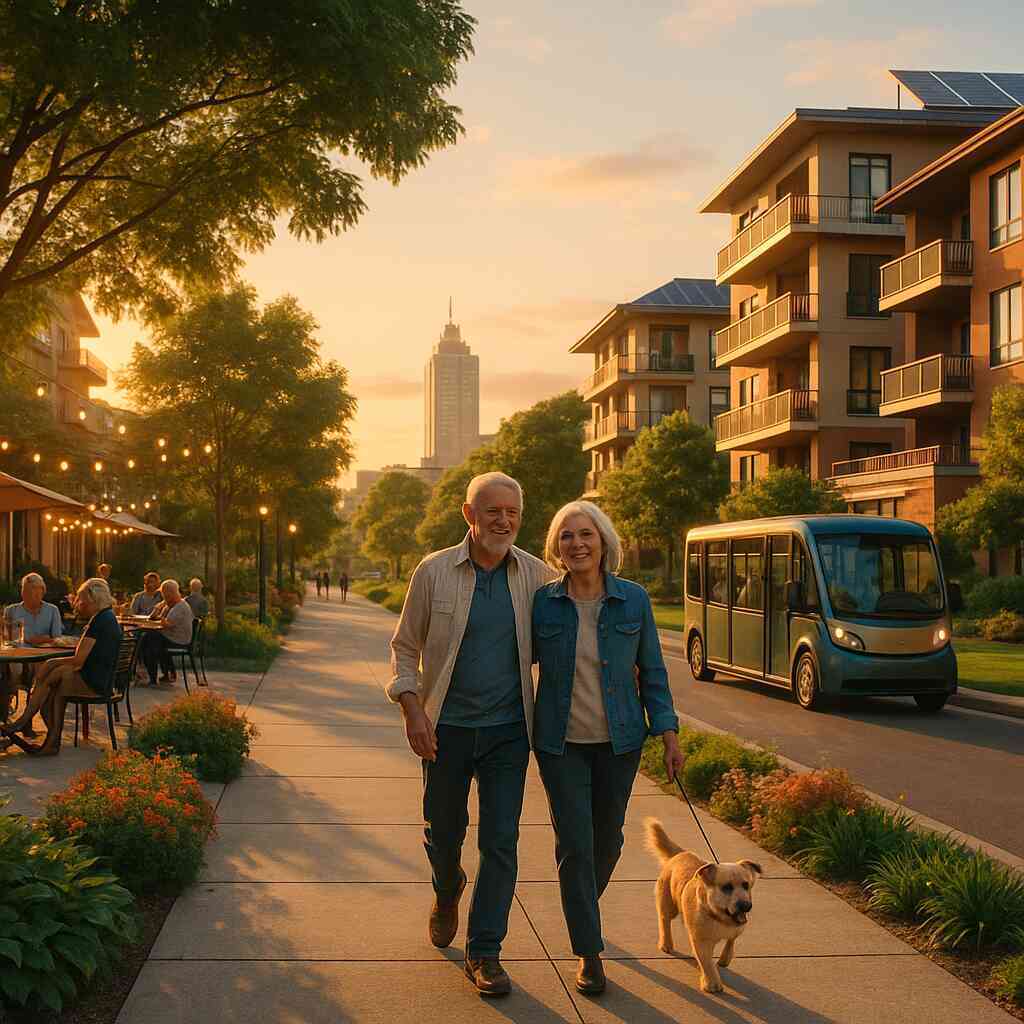
Finding the Right Place to Age Well
Selecting where to live later in life is about more than square footage or a floor-plan. The ideal senior living location weaves together safety, walkability, health support, and a sense of purpose. This guide breaks down the core ingredients that help older adults thrive in 2025 and beyond.
1. A Walkable, Barrier-Free Neighborhood
Few amenities matter more than the ability to step outside and move freely. Modern age-friendly design includes:
- Continuous, well-lit sidewalks with curb cuts and tactile paving.
- Level building entries so wheelchairs and walkers cross thresholds without ramps.
- Mixed-use blocks that place cafés, pharmacies, and green space within a quarter-mile radius.
- Rest nodes—benches, shade trees, and public restrooms—spaced every few hundred feet.
When these features are present, residents can keep errands, exercise, and social visits part of everyday life instead of planned events.
2. Climate, Safety, and Environmental Resilience
Older adults are more sensitive to heat, cold, and severe weather. Before committing to a location, evaluate:
- Average seasonal temperatures and humidity levels.
- Exposure to natural hazards such as hurricanes, wildfires, or flooding.
- Local air quality and pollen counts, especially for anyone managing COPD or allergies.
- Crime statistics and street-level lighting for peace of mind during evening walks.
Communities that post clear emergency plans—backup generators, safe rooms, and evacuation partnerships—signal thoughtful preparation.
3. A Continuum of Care on One Campus
Health needs can shift quickly. A campus that combines independent living, assisted living, rehabilitation, and memory support removes the stress of relocating at a vulnerable moment. Look for:
- Shared health records that follow residents as they move between care levels.
- On-site clinical spaces for physical therapy, lab draws, and telehealth.
- Integrated wellness programs—strength classes, nutrition coaching, chronic-disease workshops.
Advance planning within a single address preserves relationships, routines, and financial predictability.
4. Reliable Transportation Options
Even in walkable districts, longer trips remain necessary. An age-friendly location typically offers:
- Scheduled shuttles to grocery stores, hospitals, and cultural venues.
- On-demand ride service bookable by phone for residents who do not use smartphones.
- Proximity to public transit with reduced-fare senior passes.
Transportation freedom extends the window of independence and lowers reliance on family drivers.
5. Technology That Simplifies Daily Life
Today’s best communities blend human care with unobtrusive tech. Practical examples include:
- Voice-controlled lighting and thermostats for arthritic hands.
- Emergency call wearables that detect falls and instantly alert staff.
- Campus-wide Wi-Fi strong enough to support video calls with grandchildren or remote medical visits.
- Resident apps for meal reservations, maintenance requests, and event sign-ups.
Tech should feel optional and supportive, never replace personal interaction.
6. Programs That Spark Connection
Loneliness is a stronger predictor of declining health than obesity or smoking. Quality senior living locations combat isolation through:
- Robust activity calendars—from pottery studios to language meet-ups.
- Intergenerational partnerships with nearby schools and colleges.
- Volunteer coordinators who match resident skills with community needs.
- Pet-friendly policies and landscaped dog paths.
The goal is to help residents replace the workplace network they may have lost with new circles of friendship and purpose.
7. Transparent Pricing and Financial Flexibility
A beautiful setting loses its appeal if costs are unclear. Look for:
- Straightforward fee schedules that list what is—and is not—included.
- Refundable entrance fee options or purely rental models, allowing different financial strategies.
- Predictable annual increase policies spelled out in writing.
Clear numbers empower families to budget confidently instead of navigating surprise invoices.
8. Culture and Values That Match the Resident
Amenities matter, but a community’s personality often determines long-term happiness. During tours, observe:
- How team members greet residents by name and the pace at which staff move—hurried halls can signal understaffing.
- Dining room atmosphere: Are meal times rigid or flexible? Is there room for dietary preferences?
- Resident councils and town halls that give older adults real influence over programming.
- Holiday celebrations, art displays, and music choices reflecting diverse backgrounds.
A location that honors personal history and individual voice fosters belonging.
9. Access to Health Providers and Hospitals
Even with on-site clinics, proximity to full-service hospitals remains crucial. Evaluate:
- Travel time to emergency departments in typical traffic.
- Availability of specialists—cardiology, orthopedics, neurology—within a reasonable distance.
- Existing referral agreements between the community and local medical centers.
Quick access can be lifesaving and reduces stress on loved ones during urgent situations.
10. Future-Ready Design and Sustainability
Retirees increasingly weigh environmental impact. Progressive communities integrate:
- Energy-efficient construction—LED lighting, high-performance insulation, solar arrays.
- Native landscaping requiring minimal irrigation.
- Composting and recycling stations easily reached from every floor.
- Electric-vehicle charging for staff and visitors.
Sustainability choices lower utility costs and demonstrate stewardship to younger family members.
Putting It All Together
Writing a checklist can feel straightforward; matching it to a real-world address often requires on-site visits and candid conversations. When comparing locations, try this three-step process:
- Clarify priorities: Rank the factors above based on current lifestyle, health forecasts, and personal values.
- Visit at various times: Tour morning, afternoon, and evening to see staffing levels, noise, and social energy across a full day.
- Talk to residents and frontline staff: They will share perspectives marketing teams cannot script.
The perfect setting rarely exists, yet an informed search can uncover a community that balances independence, security, and joy. With demographic shifts accelerating, more towns and developers are listening to what older adults genuinely want: places that let them keep living life—just with thoughtful support within arm’s reach.
Choosing well today sets the stage for healthier years tomorrow.
What Defines the Ideal Senior Living Location?


Comments
Post a Comment