Designing Senior Living Communities That Spark Social Life
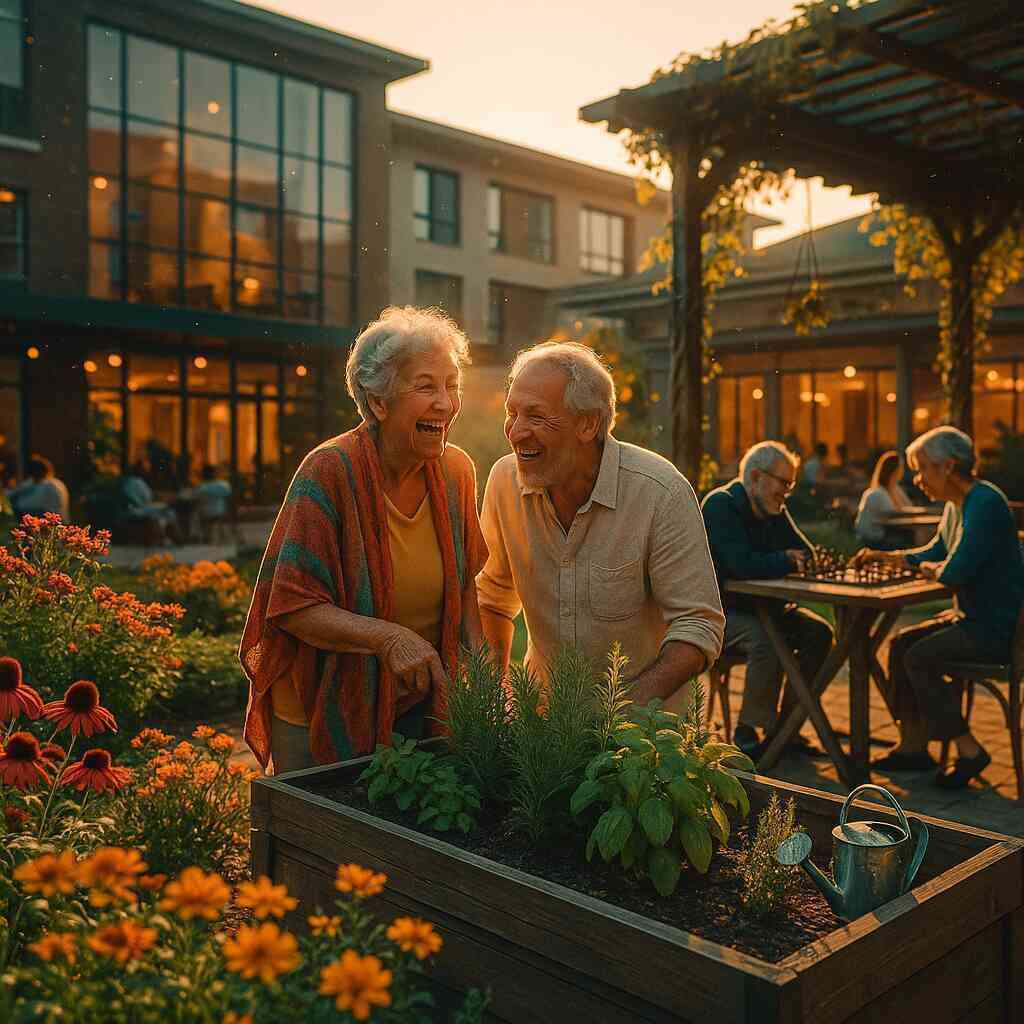
How Thoughtful Senior Living Design Fuels Daily Connection
Older adults rarely move to a community only for square footage. Most are looking for a place where conversation comes easily, hobbies feel accessible, and friendships spring up naturally. Well-planned senior living facilities make that possible by blending architecture, programming, and staffing into one continuous social ecosystem. This overview explains how the best communities turn ordinary moments—meals, hallway strolls, even pet walks—into reliable opportunities for human connection.
Communal Dining Rooms That Invite Lingering
Dinner has always been a social anchor, and modern residences treat it that way. Instead of cafeteria lines, residents enter bright spaces that resemble neighborhood bistros:
- Abundant natural light reduces glare and lifts mood.
- Round tables seat four to six, encouraging eye contact over tray juggling.
- Soft acoustics absorb clatter so conversation stays relaxed, even for those with hearing aids.
Culinary teams stagger seating times, allowing diners to linger without feeling rushed. Chefs often work in open display kitchens, letting the aroma of simmering soup or fresh bread draw residents in early for conversation. Over time, these repeated, comfortable interactions form an easy social rhythm—no one stares at an empty chair for long.
Shared Amenities for Every Energy Level
A single corridor might hold a tech lounge on one side and a book nook on the other, giving residents freedom to choose their social speed on any given day.
Technology Lounges
Large, low-glare screens and ergonomic chairs let residents try virtual bowling, trivia nights, or video calls with grandchildren. All equipment is pre-set and staff are nearby to troubleshoot, removing the intimidation factor that sometimes accompanies new devices.
Quiet Reading Corners
Just steps away, built-in bookcases sit at wheelchair height and armchairs hug the body, making it easy to settle in with a mystery novel. Wall shelves display resident poetry or artwork, sparking dialogue among passersby who spot a neighbor’s name beneath a haiku.
Because both spaces share a central spine, residents can glide between high-energy play and low-key reflection without trekking across campus—a subtle design choice that keeps participation high.
Pet-Friendly Features That Break the Ice
For many older adults, a dog or cat is more than a companion; it’s an automatic conversation starter. Facilities committed to pet friendliness integrate that reality into everyday design:
- Durable, slip-resistant flooring handles muddy paws.
- Recessed alcoves offer water bowls and leash hooks along hallways.
- Built-in waste stations make clean-up quick, encouraging consistent use.
Some communities add indoor dog parks complete with agility ramps and cushioned benches so owners with limited mobility can supervise comfortably. Scheduled “yappy hours” pair canine playdates with human refreshments, drawing even non-pet owners who simply enjoy the energy.
The Wellness & Recreation Director: On-Site Social Architect
A beautiful building still needs a conductor. Wellness and recreation directors study resident interests, then weave them into schedules that balance movement, creativity, and rest. Successful directors typically:
- Meet new residents within their first week to learn hobbies and goals.
- Adjust calendars monthly based on attendance data and feedback.
- Partner with culinary and therapy teams so programs align with dietary plans or rehab goals.
- Keep an open-door office near the lobby, making casual idea-sharing effortless.
Their role resembles that of a cruise director—guiding, not dictating, so residents feel ownership of their community life.
Year-Round Gardening Clubs
Connecting with nature offers both physical activity and purposeful routine. Raised beds at varied heights ensure someone using a wheelchair can tend lettuce beside a neighbor who prefers standing. Adaptive tools with cushioned grips reduce strain on arthritic hands.
When winter arrives, hydroponic walls under LED grow lights keep herbs thriving indoors. Weekly gatherings let seasoned gardeners mentor newcomers, and harvest dinners showcase community-grown produce. The cycle delivers more than fresh basil; it nurtures teamwork, responsibility, and pride.
Architectural Details That Encourage “Chance” Meetings
Small design choices add up to frequent, low-pressure social touch points:
- Wide, well-lit corridors accommodate walkers side-by-side, slowing traffic just enough for a quick hello.
- Seating alcoves at regular intervals invite rest that can turn into spontaneous conversation.
- Interactive art installations—think memory walls where residents pin travel photos—prompt stories from anyone passing by.
These micro-moments matter. Research consistently links casual social contact to improved mood, cognitive health, and even immune function in older adults.
Balancing Privacy and Community
Not every hour must be communal. Private apartments should include sound-insulated walls, balconies, and ample personal storage so residents can retreat without feeling isolated. The goal is choice: easy access to peers when desired, true quiet when needed. Communities that succeed respect both halves of that equation.
Key Takeaways for Families and Prospective Residents
- Observe a meal service. Do residents look rushed, or are they lingering over dessert? The pace tells you a lot about social culture.
- Ask to see the events calendar. Variety and resident-led groups signal a responsive staff.
- Check pet policies if animal companionship is important; design details should support pets, not merely allow them.
- Meet the wellness director. Their enthusiasm and familiarity with residents often reflects overall community engagement.
Selecting a senior living community is ultimately about lifestyle fit. Buildings that deliberately weave social opportunities into dining, recreation, and even hallway design give older adults the best chance to stay connected, curious, and joyful throughout the year.
A well-designed facility cannot replace family, but it can expand a resident’s circle in ways that enrich every day. For many older adults, that blend of autonomy and togetherness is exactly what makes a new address feel like home.
How Senior Living Facilities Boost Social Life


Comments
Post a Comment