Factors That Set New Mexico Senior Living Facilities Apart
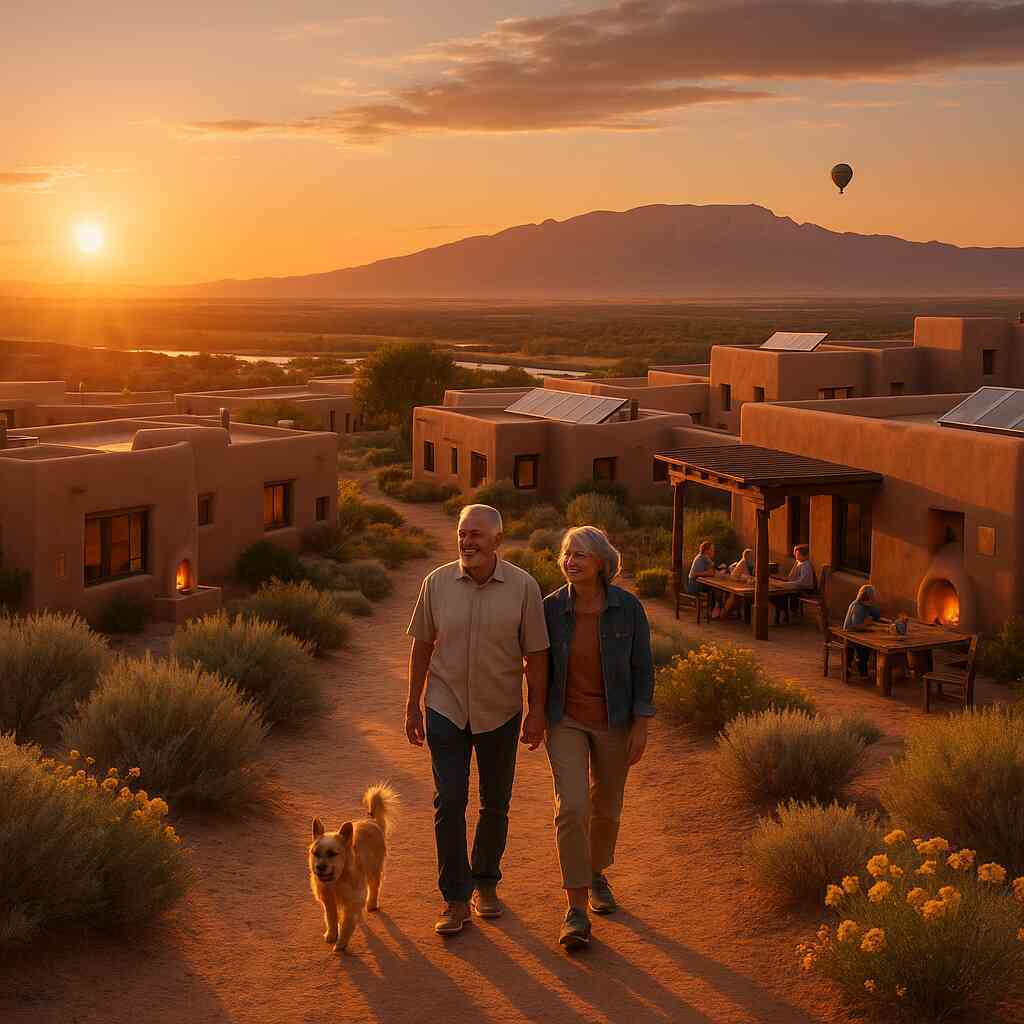
Why New Mexico Stands Out for Senior Living
Choosing a place to retire in 2025 involves more than counting bedrooms and meals. Climate, cultural fit, and long-term wellness all matter. New Mexico senior living facilities combine high desert beauty with centuries-old traditions to create a distinct experience. This overview explores the main differentiators families notice when they compare communities across the Land of Enchantment.
1. Location: Desert Peaks or River Valleys
New Mexico presents two dominant landscapes, each shaping daily life.
- High desert plateaus near Taos, Santa Fe, and Silver City offer crisp air, big skies, and dramatic sunsets. Communities here design wide patios and outdoor fire pits so residents can enjoy star-filled nights without leaving home.
- Rio Grande riparian corridors sit at lower elevations with groves of cottonwood, easier breathing, and neighborhood growers’ markets. Walking paths often connect directly to the riverbank, encouraging regular movement and bird-watching.
Prospective residents can match terrain with joint health, respiratory needs, and preferred pace of life.
2. Adobe-Inspired Architecture and Green Engineering
Many buildings echo classic Pueblo style. Thick earthen or adobe-colored walls provide thermal mass, absorbing heat by day and releasing it at night. The payoff is:
- More stable indoor temperatures
- Reduced reliance on mechanical heating and cooling
- Lower utility costs that help fixed-income budgets
Flat roofs make ideal platforms for solar panels. Some communities already generate enough electricity to offset common-area bills and power art studios, elevators, and mobility-device charging stations. Water-smart landscaping—xeriscapes with native sage, yucca, and drip irrigation—further lowers monthly fees while preserving the desert ecosystem.
3. Altitude-Aware Wellness Programs
Santa Fe and surrounding towns sit well above 7,000 feet. Even healthy newcomers notice thinner air and lower humidity. Senior living providers tailor health services accordingly:
- Daily pulse-ox and blood pressure checks for recent arrivals
- Nurse-led hydration reminders and flavored water stations throughout the campus
- Gradual acclimation fitness classes, adding exertion once oxygen saturation stabilizes
- Humidifiers in common areas and private suites to protect skin and respiratory passages
Communities at lower elevations still teach altitude preparedness because residents frequently travel to mountain festivals and family cabins.
4. Bilingual Staff and Multicultural Engagement
New Mexico’s heritage blends Indigenous, Spanish, and Anglo influences. Leading facilities recruit caregivers fluent in English and Spanish; several also employ team members who speak Diné (Navajo) or Keres.
Benefits include:
- Clear medication and nutrition instructions in the resident’s preferred language
- Memory-care sessions that use familiar songs and stories to unlock recall
- Family conferences that feel inclusive rather than intimidating
Cultural calendars spotlight regional traditions—red chile roasting, Día de los Muertos ofrenda building, and Pueblo pottery workshops—so residents stay connected to community life.
5. Climate-Smart Outdoor Amenities
Abundant sunshine invites year-round activity, yet desert heat requires caution. Facilities respond with:
- Shaded walking loops surfaced for walkers and rollators
- Morning gardening clubs that retreat indoors before peak sun hours
- Wide-brim hat stations and complimentary SPF dispensers at trailheads
- Evening astronomy meet-ups when temperatures drop and the Milky Way emerges
The result is consistent physical engagement without heat-related risk.
6. Culinary Programs Rooted in Local Agriculture
Chefs partner with nearby farms and ranches to source blue corn, Hatch chiles, grass-fed beef, and heirloom beans. Menus rotate regional staples with heart-healthy and vegetarian options, for example:
- Blue-corn pancakes with piñon syrup at breakfast
- Calabacitas stuffed bell peppers for lighter lunches
- Mild or spicy posole served alongside gluten-free tortillas at dinner
Residents often join cooking demonstrations that explain the cultural story behind each dish, turning nutrition into an educational event.
7. Layered Care Levels Under One Roof
Many New Mexico campuses offer the full continuum—from independent casitas to assisted living, memory care, and skilled nursing. Families appreciate the ability to transition without leaving familiar surroundings. Typical supportive services include:
- 24/7 call buttons linked to on-site nursing teams
- Telehealth suites equipped for remote cardiology and pulmonology visits
- Occupational therapy gyms focusing on desert-lifestyle movements like gardening and hiking pole use
8. Art and Spirituality as Everyday Practice
The state’s creative reputation seeps into activity schedules. Residents may attend:
- Southwestern watercolor classes taught by Santa Fe artists
- Drum circles that blend Indigenous rhythms with gentle movement therapy
- Meditation or tai chi on sunrise decks that overlook red rock mesas
Spiritual support spans denominations, including Catholic mass, intertribal prayer circles, and nondenominational meditation rooms, reflecting New Mexico’s diverse faith tapestry.
9. Community Connections Beyond the Gate
Rather than operate as enclaves, many providers partner with local schools, museums, and volunteer groups.
- Elementary classes visit for joint reading programs in Spanish and English.
- Residents sell handcrafted jewelry at weekend art markets, generating small stipends and social interaction.
- University nursing students complete practicums on campus, bringing fresh research and extra helping hands.
These ties keep older adults visible and valued within the broader community.
10. Cost Transparency and Financial Predictability
Utility savings from solar arrays and water-wise design often translate into steadier monthly fees. Communities publish clear line-item budgets covering:
- Rent or buy-in structure
- Level-of-care increments
- Future capital improvements (e.g., panel upgrades, electric-vehicle charging)
Knowing exactly where dollars go builds trust and allows residents to plan long term.
Final Thoughts
Senior living facilities in New Mexico merge environmental stewardship, multicultural richness, and altitude-savvy healthcare. Whether a retiree seeks high-desert silence or riverside energy, the state provides options that honor individuality while safeguarding health. Understanding these differentiators can help families select a setting that feels both inspiring and secure for the years ahead.
What Are the Differentiating Factors of Senior Living Facilities in New Mexico?


Comments
Post a Comment