Holistic Health Strategies Every Senior Living Community Needs
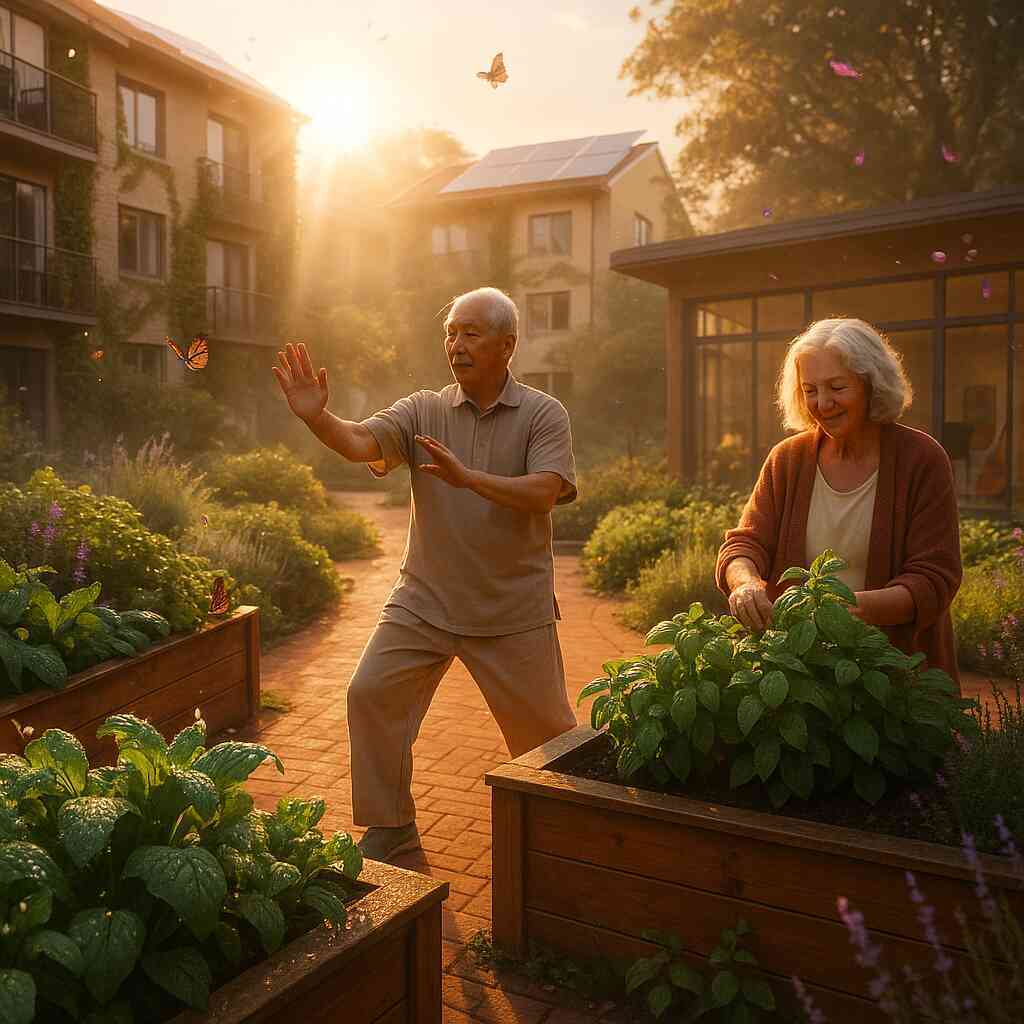
Whole-Person Wellness in Modern Senior Living
Today’s most respected senior living communities treat health as more than the absence of illness. They weave body, mind, emotion, and spirit into every daily touchpoint. This guide breaks down the practical pillars of holistic care that forward-thinking operators and families now expect.
1. Start With a Comprehensive Wellness Portrait
A holistic program begins the moment a resident arrives. Instead of relying only on medical charts, interdisciplinary teams create a living document that includes:
- Current diagnoses and medications
- Physical mobility goals
- Nutrition preferences and restrictions
- Cognitive baseline and learning style
- Emotional stressors, joys, and hobbies
- Spiritual or cultural practices that nurture purpose
Revisiting this portrait quarterly keeps care plans meaningful and prevents “set-it-and-forget-it” routines. When an assessment shows new arthritis pain, for example, staff can add warm-water exercise or adaptive tai chi before the discomfort escalates.
2. Build Integrative Clinical Teams
The gold standard for 2025 pairs traditional clinicians with complementary specialists. A typical roster might include:
- Primary care physician or geriatrician
- Registered nurse care manager
- Clinical pharmacist for deprescribing reviews
- Registered dietitian
- Physical and occupational therapists
- Certified yoga or tai chi instructor
- Licensed acupuncturist or massage therapist
- Chaplain or spiritual counselor
Weekly huddles ensure therapies support, not contradict, one another. Residents gain one cohesive strategy instead of piecemeal advice.
3. Emphasize Proactive and Preventive Care
Telehealth has transformed what “preventive” means inside a community. Bluetooth blood-pressure cuffs, continuous glucose monitors, and fall-detection wearables stream data to the nursing station. Subtle changes—rising nighttime heart rate or slower gait speed—trigger early interventions that avoid hospital stays.
Key preventive tactics:
- Annual cognitive screen paired with nutrition counseling
- Standing orders for vitamin D and bone density checks
- Monthly pharmacy reviews to taper unneeded medications
- Immunization clinics on-site, including updated RSV and flu doses
4. Prioritize Functional Fitness Over Athleticism
Most residents care less about bench-press records and more about reaching the top shelf or gardening without pain. Effective programs blend strength, balance, and mobility:
- Chair yoga and gentle Pilates for core stability
- Resistance bands that mimic daily movements
- Outdoor walking clubs with graded difficulty paths
- Dance or drumming circles that double as cardio and social time
5. Serve Food That Heals and Delights
Nutrition is one of the easiest—and most visible—ways to honor whole-person wellness. Best practices include:
- Plant-forward menus rich in legumes, berries, and leafy greens
- Chef demonstrations that teach anti-inflammatory cooking tricks
- “Harvest of the Month” tastings to spark curiosity
- Flexible dining hours to respect personal rhythms
Residents who help plan menus or tend herb gardens often eat more mindfully and feel a greater sense of agency.
6. Foster Emotional and Social Connection
Loneliness can harm health as much as smoking. Communities combat isolation by:
- Creating small peer groups that share common interests
- Training staff to open conversations beyond physical care tasks
- Offering pet-friendly policies and on-site therapy animals
- Pairing new residents with “welcome ambassadors” for the first 60 days
7. Nurture the Inner Life
Spirituality is deeply personal. Rather than impose one model, leading communities provide:
- Multi-faith meditation rooms
- Clergy visits on request
- Nature paths and quiet gardens for reflection
- Story-sharing workshops that validate life experiences
Supporting the inner life often reduces anxiety, which in turn improves sleep and immune resilience.
8. Design Spaces That Encourage Movement and Meaning
Holistic health is easier when the environment nudges residents toward good choices:
- Wide, well-lit corridors invite strolling rather than elevator reliance
- Ergonomic furniture prevents strain and preserves dignity
- Art studios, woodworking shops, and teaching kitchens encourage lifelong learning
- Smart acoustic panels lower noise stress in dining areas
9. Educate and Empower Care Teams
Employees who understand holistic principles deliver better outcomes. Practical steps include:
- Continuing-education stipends for certifications in geriatric massage or mindful communication
- Monthly lunch-and-learns led by visiting integrative physicians
- Staff wellness programs—yoga breaks, counseling access—that model the culture residents deserve
10. Guide Families With Transparency
Families are partners in holistic care. Share progress notes, celebrate small victories, and invite relatives to cooking classes or virtual fitness sessions. Clear communication builds trust and aligns everyone around the resident’s evolving goals.
Key Takeaways
- Holistic senior living addresses the interconnected needs of body, mind, emotion, and spirit.
- Success starts with a personalized wellness portrait and an integrative clinical team.
- Preventive tech, functional fitness, and healing nutrition reduce hospital visits and medication load.
- Social, emotional, and spiritual programs are not extras; they are central to vibrant aging.
Communities that embed these strategies create environments where older adults don’t just live longer—they thrive with purpose and joy.
The Best Senior Living Practices for Holistic Health


Comments
Post a Comment