How Senior Living Facilities Define and Deliver Care Today
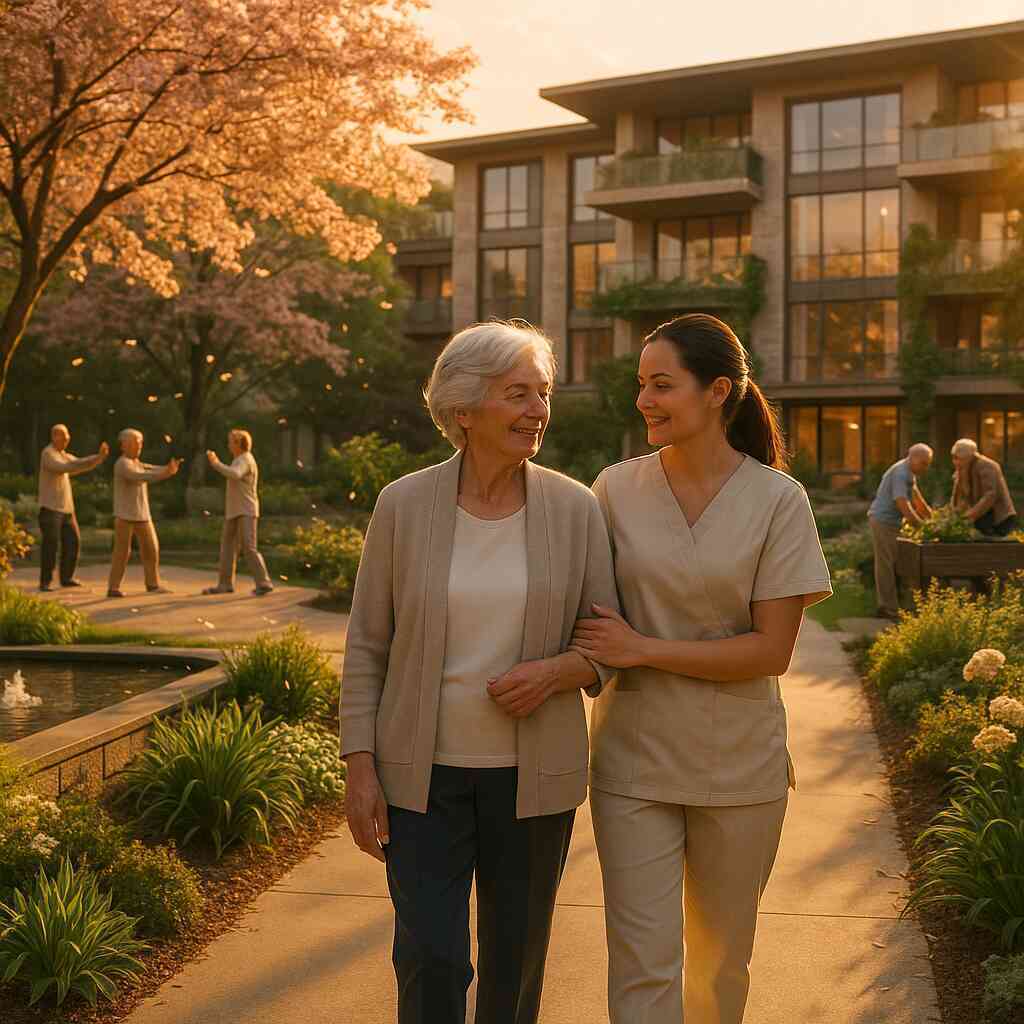
Understanding "Care" in Today’s Senior Living
When families first research senior living facilities, the word care appears everywhere. Yet the meaning shifts from one community to the next. This overview breaks down how modern operators define, measure, and personalize care so older adults can thrive—not just stay safe.
1. Person-Centered Care: More Than a Buzzword
True person-centered care starts with a mindset: every resident is the expert on their own life. Staff listen first, then build routines that protect medical needs and honor lifelong preferences.
- Morning yoga can sit beside blood-pressure checks.
- A favorite gospel playlist can accompany memory-care bathing.
- Menu options reflect cultural or religious traditions, not just calorie counts.
When personal identity is respected, research shows lower agitation, fewer avoidable medications, and higher family satisfaction.
2. Assessment Drives Individualization
Most communities complete a detailed intake within the first few days. Typical tools include:
- Activities of Daily Living (ADL) scale – measures help needed for dressing, bathing, mobility.
- Cognitive screening – gauges memory, judgment, and potential supervision needs.
- Fall-risk score – combines gait, vision, and medication profile.
Interdisciplinary teams—nurse, therapist, dietitian, social worker—meet to convert data into a written service plan. Families review goals and sign off before services begin. Re-assessments occur at least every six months or after any hospital stay, ensuring support grows or scales back as conditions change.
3. The Continuum of Care Explained
Many campuses now offer multiple levels of care under one roof. Understanding each tier helps families match current needs and plan for the future.
Independent Living
Ideal for adults who manage their own medications and grooming but want:
- Maintenance-free apartments or cottages
- Dining plans and housekeeping
- Robust social calendars and transportation
Assisted Living
Adds 24/7 staff and tailored help with ADLs. Typical services:
- Medication management and refill coordination
- Cueing or hands-on support for bathing, dressing, or toileting
- Emergency pull cords or wearable pendants
Memory Care
Specialized, secure neighborhoods for residents with Alzheimer’s or other dementias. Key components:
- Higher staffing ratios and dementia-specific training
- Structured, failure-free activities that reduce anxiety
- Environmental design that prevents wandering and supports wayfinding
Skilled Nursing & Rehabilitation
Closest to a traditional nursing home. Licensed nurses provide:
- 24-hour clinical oversight, IV therapies, wound care
- Physical, occupational, and speech therapy on-site
- Short-term Medicare rehab or long-term complex care
Residents can usually move between levels without leaving the campus, preserving friendships and routines.
4. Beyond Health: The Lifestyle Pillars
Modern facilities view care as a whole-person equation that includes these pillars:
- Physical wellness – fitness classes, balance training, chronic-disease clinics
- Cognitive vitality – book clubs, language lessons, brain-fitness technology
- Social connection – intergenerational programs, volunteer projects, pet visits
- Purpose & meaning – resident councils, faith services, lifelong-learning courses
- Environment – gardens, natural light, air-quality monitoring, acoustic control
Designers now borrow from hospitality: open kitchens, cozy nooks, and outdoor courtyards replace clinical corridors. The result feels like a small town, not an institution.
5. What Families Should Ask on a Tour
Creating a checklist before touring helps cut through attractive décor and focus on operational quality.
- How is the initial assessment performed, and who updates the care plan?
- What is the staff-to-resident ratio on all shifts—and in memory care?
- Are nurses on-site 24/7 or on call?
- Which third-party services (therapy, hospice) regularly visit?
- How do you track falls, skin issues, or weight changes, and how quickly are families notified?
- Can meals be customized for allergies, diabetes, or cultural needs?
- What technology supports safety—e-mar systems, motion sensors, wander management?
Clear answers reveal whether a community’s definition of care aligns with personal expectations.
6. Red Flags That Signal Misalignment
Even beautiful properties may not deliver the depth of care promised. Watch for:
- Generic care plans that read like templates
- Residents sitting idle for long periods
- High staff turnover or heavy reliance on agency personnel
- Vague responses to clinical questions (“We’ll handle it if something happens.”)
- Limited family access to electronic health records or progress notes
7. Key Takeaways
- Care is personal. The best communities craft routines around each resident’s history, not the staff’s convenience.
- Assessment is ongoing. Health and goals change; service plans must evolve in lockstep.
- Continuums matter. A campus that offers multiple levels prevents disruptive moves later.
- Lifestyle counts. Social, cognitive, and spiritual supports are core parts of well-being—not extras.
- Transparency builds trust. Detailed answers and measurable outcomes show a community can back up its philosophy.
Choosing a senior living facility is ultimately about aligning values, services, and environment. By understanding how providers define and deliver care, families can make confident decisions that support both safety and a meaningful life for the years ahead.
How Do Senior Living Facilities Define Care?


Comments
Post a Comment