Redefining Quality Care in Senior Living Communities
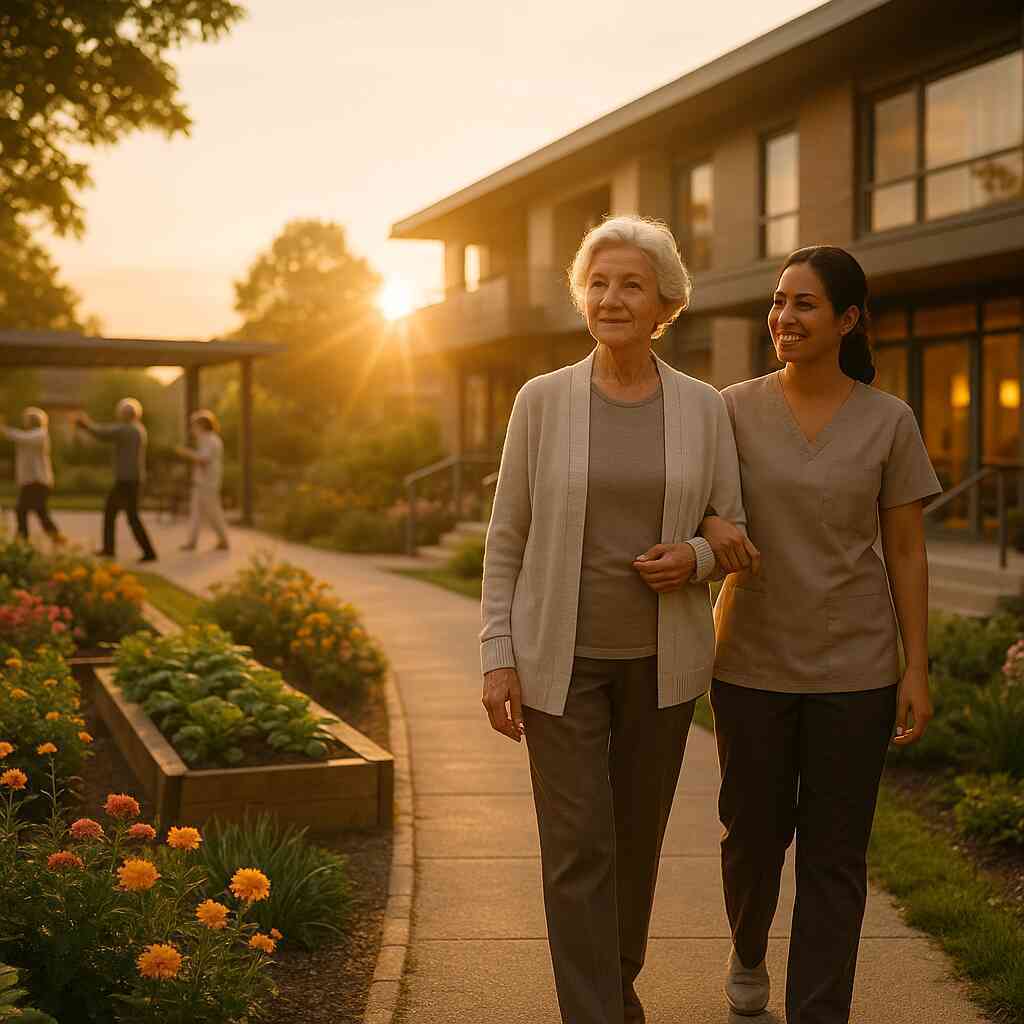
What Quality Care Looks Like in Senior Living — 2025 Edition
Older adults and their families now judge a senior living community by far more than décor or dining room menus. In 2025, “quality care” describes an integrated wellness experience that respects autonomy, strengthens health, and invites purpose at every stage of aging. This guide reviews the practices that separate average residences from true wellness ecosystems.
Why Quality Care Means More Than Medical Check-Ins
Traditional long-term care focused on safety and symptom management. While those basics remain essential, they no longer define excellence. Residents and families expect communities to help people stay strong, socially connected, and intellectually engaged. A facility that merely keeps someone clean and medicated is considered outdated. Quality now lives at the intersection of clinical skill, emotional support, and meaningful daily life.
The Pillars of a Modern Wellness Ecosystem
- Interdisciplinary Teams
Nurses, dietitians, therapists, social workers, chaplains, and activity directors design goals together instead of in silos. - Preventive Health Programming
On-site fitness classes, vaccination clinics, chronic disease coaching, and telehealth reduce emergency transfers. - Personalized Nutrition
Culinary programs tailor meals to metabolic needs, cultural preferences, and even memory-support guidelines such as finger foods for late-stage dementia. - Dynamic Social Calendars
Classes, clubs, and volunteer projects replace passive entertainment so residents feel useful rather than occupied. - Environmental Design
Circadian lighting, accessible gardens, and dementia-friendly way-finding cues support mobility and orientation.
When these elements converge, a residence becomes a place to thrive, not merely reside.
Person-Centered Assessments: The Starting Line
High-performing communities begin each relationship with a holistic intake that covers:
- Physical function (strength, balance, endurance)
- Cognitive status and communication style
- Emotional health and coping skills
- Cultural, spiritual, and life-story data
- Personal goals, from travel dreams to daily rituals
Assessments are repeated after any hospital stay or notable health change, ensuring care plans stay current. Residents and families attend all review meetings so their voices guide every adjustment.
Programming That Protects Dignity and Autonomy
Maintaining personal choice is central to modern senior care. Communities demonstrate this by:
- Offering flexible wake-up, mealtime, and bathing schedules
- Using respectful language (no “honey” or “sweetie” unless invited)
- Training staff in cultural competence and LGBTQ+ inclusivity
- Hosting resident councils with real influence over policies
- Creating volunteer partnerships where elders mentor youth or tend community gardens
Purposeful engagement replaces passive conformity, reinforcing self-esteem and mental health.
Built-In Safety Without the Institutional Feel
Safety technology no longer looks like hospital equipment. Thoughtful features now blend into residential design:
- Discreet wearable devices that alert caregivers to falls
- Motion-sensing lighting rather than harsh overheads that disrupt sleep
- Universal-design bathrooms with decorative—but fully supportive—grab bars
- Induction cooktops in independent living apartments to prevent burns
The goal is to remove hazard without stripping away the warmth of home.
Measuring What Matters: Transparency and Data
Families research communities more thoroughly than ever. Operators that lead the market publish:
- Real-time staffing ratios by shift
- Infection-control statistics and corrective actions
- Resident satisfaction survey summaries
- Outcomes from therapy programs, such as average improvement in walking speed or reduction in falls
- Third-party accreditation or quality awards
Open data builds trust and holds leadership accountable for continuous improvement.
Questions to Ask on Your Next Tour
- How often are care plans reviewed, and who attends those meetings?
- What specific programs reduce hospital readmissions?
- Can I see last quarter’s resident satisfaction scores?
- How does the community support late-night or early-bird routines without penalty?
- What opportunities exist for residents to contribute their talents to the broader community?
A transparent, person-centered operator will answer confidently and provide examples.
Final Thoughts
Quality care in senior living no longer fits a single template. Instead, it is a dynamic partnership that honors individuality, anticipates health needs, and fosters genuine joy. By focusing on interdisciplinary teamwork, personalized assessments, purposeful programming, and data-backed transparency, today’s top communities prove that aging can be a chapter of growth rather than decline.
Whether you are exploring options for yourself or for someone you love, keep these principles in mind. They will help you recognize environments where older adults are not just cared for—but truly cared about.
What Defines Quality Care at Senior Living Facilities Today


Comments
Post a Comment