Senior Living Facilities 2025: Green, Tech-Enabled Choices
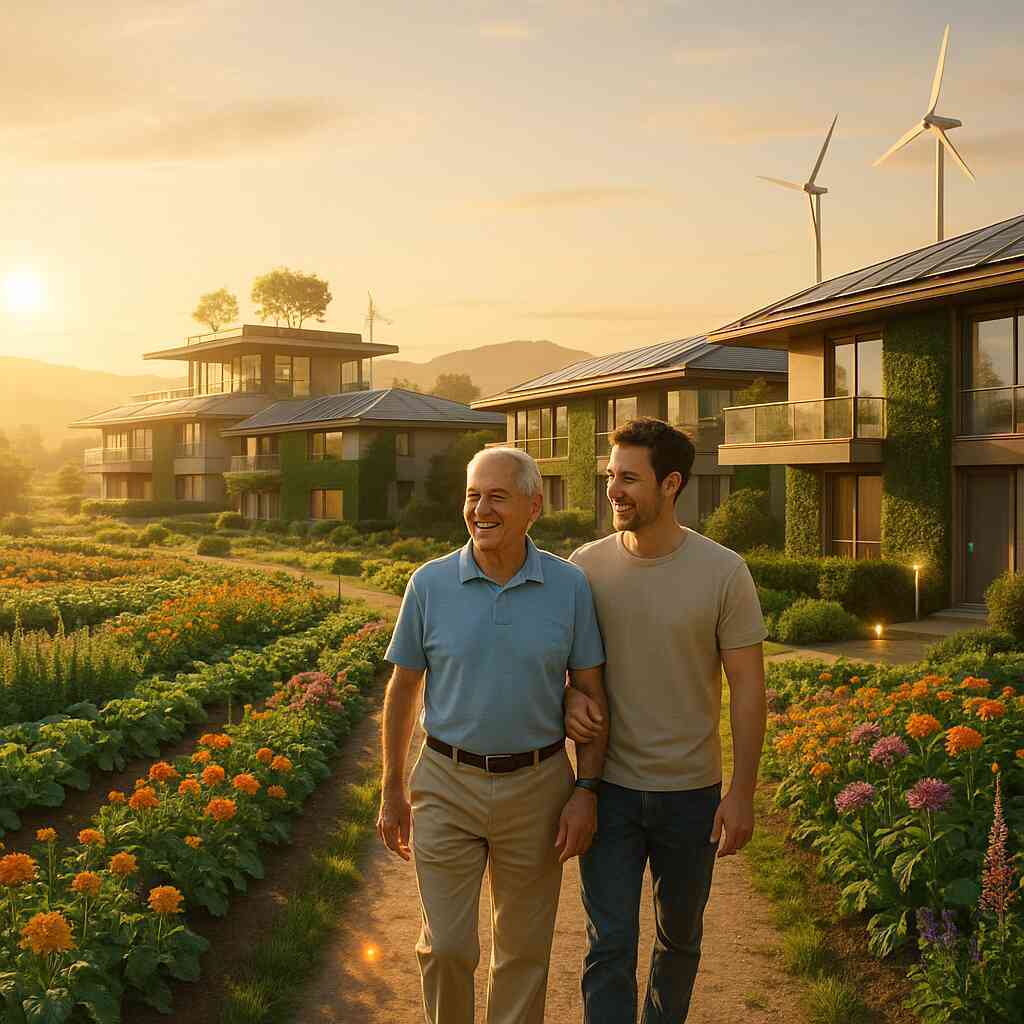
What Makes a Senior Living Facility Stand Out in 2025?
Senior living facilities in 2025 have moved far beyond the traditional idea of a retirement home. Today’s communities balance environmental responsibility, data-driven care, and flexible housing designs that let residents stay in charge of their daily lives. This overview explores the core features shaping that evolution so families and professionals can recognize quality when they see it.
1. Sustainability Becomes Standard
The fastest-growing expectation in senior housing is a visible commitment to sustainability. Residents want surroundings that support personal wellness and planetary health.
- Energy-positive buildings use solar panels, high-efficiency HVAC, and battery storage to generate more power than they consume.
- Healthy interior materials replace off-gassing carpets and paints with low-VOC finishes that improve indoor air quality.
- Water stewardship features rainwater capture, smart irrigation, and native landscaping to lower utility costs and conserve local resources.
- Electric-vehicle readiness ensures both residents and visiting families can charge cars with ease.
Communities that pair these strategies with transparent reporting build trust and keep long-term operating costs predictable.
2. A Seamless Layer of Smart Technology
Technology in senior living has matured from novelty to infrastructure. The goal is to keep support invisible until the moment someone needs it.
Everyday safety and comfort
- Voice-activated lighting, blinds, and thermostats reduce fall risk and make fine-motor tasks easier.
- Sensor-based flooring or wearables watch for abnormal gait patterns, quietly alerting staff before a fall occurs.
- Medication dispensers link to mobile apps that confirm doses without public announcement, preserving privacy.
Connected care teams
- Telehealth suites inside the community let residents consult specialists without arranging transport.
- Wearable health data feeds directly to on-site nurses, highlighting early changes in vitals instead of waiting for a crisis.
- Family dashboards provide real-time updates on activity, meals, and attendance at events, reducing anxiety for loved ones who live far away.
Implemented well, these tools free staff to focus on interpersonal support while giving residents confidence that help is always nearby.
3. Flexible Housing Options Protect Dignity
Rigid one-size-fits-all models are fading. Modern campuses offer a continuum of choice so residents can shift service levels without uprooting their social lives.
- Independent living apartments or cottages with full kitchens and minimal oversight.
- Assisted living suites where staff can layer in personal-care support as needs rise.
- Memory-care neighborhoods featuring simplified layouts, color-coded pathways, and multisensory gardens.
- Short-stay or respite options that give family caregivers a break and introduce potential future residents to the community.
Contracts often allow month-to-month service adjustments, ensuring residents stay in familiar surroundings even as health circumstances change.
4. Architecture of Autonomy
Designers now treat every detail—door handles, corridor widths, daylight exposure—as an opportunity to extend independence.
- No-threshold entries and wide turning radii accommodate wheelchairs without feeling institutional.
- Contrasting color bands at floor edges help aging eyes judge depth, lowering fall risk.
- Acoustic zoning separates quiet reading lounges from lively activity areas, supporting different energy levels under one roof.
- Biophilic elements such as indoor gardens, green walls, and ample windows reduce stress and promote circadian health.
When these design moves combine with smart-home systems, residents control their environment with minimal physical effort.
5. Intergenerational and Community Integration
Isolation is a leading predictor of cognitive and physical decline. Progressive senior living facilities actively weave residents into the broader community.
- On-campus cafés and makerspaces open to local students encourage skill-sharing and social exchange.
- Child-care partnerships let older adults volunteer or work part-time, deepening purpose.
- Walking paths that connect to public parks invite neighbors to visit, erasing the “facility” stigma and turning the campus into a community hub.
These interactions reinforce mental health, broaden support networks, and combat ageism on both sides of the generational divide.
6. Key Questions to Ask on a Tour
Whether you are exploring options for yourself or a loved one, bring a short checklist:
- How does the property measure and report its energy or water savings?
- What safeguards protect resident data from the smart-home devices in use?
- Can service levels be increased or decreased without changing apartments?
- How often are staff trained on new technologies and dementia-friendly practices?
- What opportunities exist for residents to mentor, teach, or volunteer in the surrounding community?
Clear answers to these questions reveal how deeply a community lives its stated values.
7. The Bottom Line
Senior living facilities in 2025 succeed when they combine green design, intuitive technology, and adaptable services that honor personal choice. Buildings become lighter on the planet, caregivers gain better tools, and residents enjoy a lifestyle that feels proactive rather than reactive. For families comparing options, focusing on these pillars—sustainability, smart support, flexibility, empowering design, and community integration—will highlight environments where older adults can truly thrive during their third act.
What Defines Senior Living Facilities in 2025?


Comments
Post a Comment