Senior Living Facilities: A Practical Longevity Blueprint
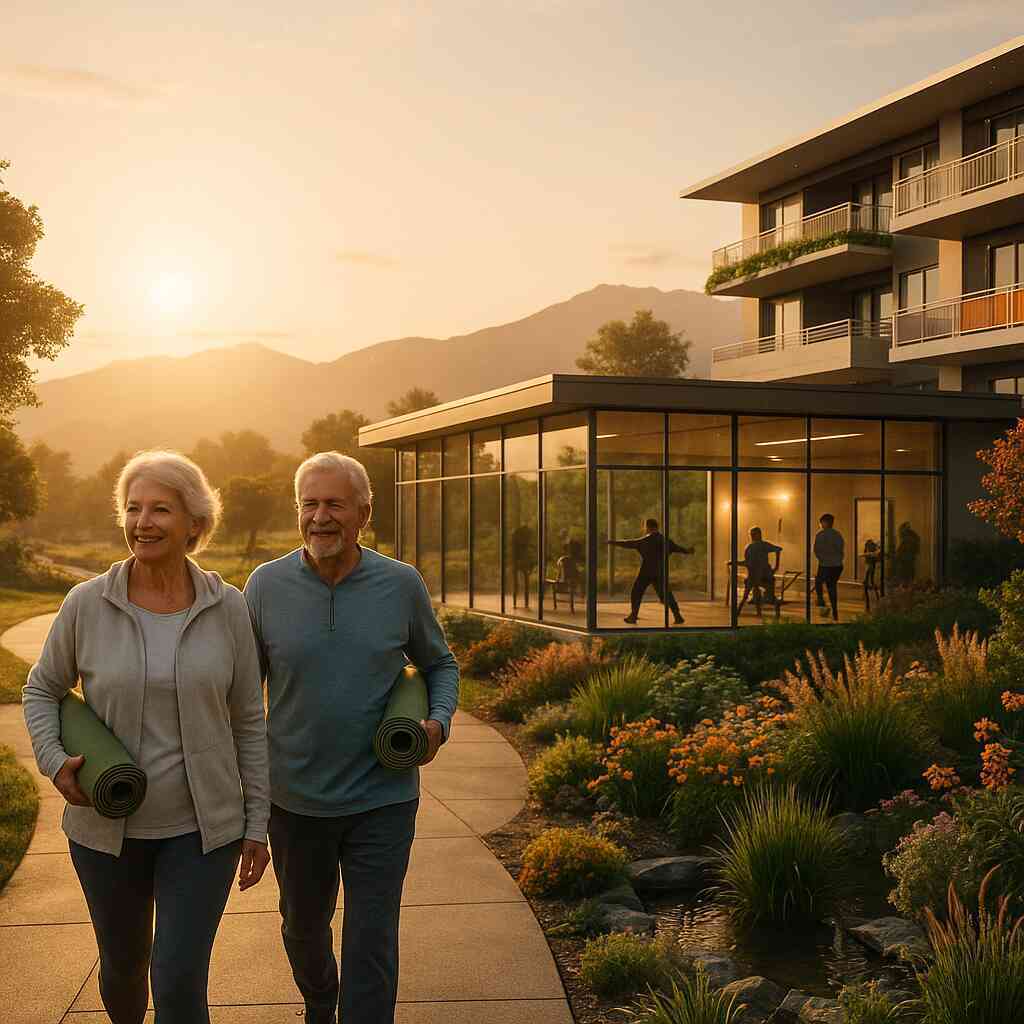
Why Senior Living Is Central to Modern Longevity Plans
Today longevity is less about futuristic medicine and more about the repeatable habits that shape each day. Purpose-built senior living communities give those habits a reliable home. This guide breaks down how a well-designed facility can turn lifespan research into an everyday routine that is easier to follow and easier to measure.
Turning Science Into Daily Structure
Research ties movement, balanced nutrition, sleep hygiene, stress management, and social connection to longer health-span. In a senior living setting these pillars are built into the calendar:
- Morning tai chi or chair yoga classes right outside the apartment door
- Dietitian-approved menus with plant-forward entrées and flexible portion sizes
- Quiet rooms for guided meditation or brief naps to support circadian rhythms
- Scheduled game nights, book clubs, and volunteer projects that keep purpose alive
Because all of these options share one campus, residents spend less energy organizing care and more energy enjoying it.
Holistic Care Outperforms Aging in Place
Aging at home can feel comfortable, but it often relies on a patchwork of adult children, paid aides, and occasional clinic visits. In contrast, a senior community synchronizes services under one roof:
- On-site primary care and rehab professionals coordinate medication and therapy plans.
- Fitness directors collaborate with nurses to adjust exercise loads after an illness or surgery.
- Culinary teams track macro- and micronutrients to match individual health profiles.
The seamless hand-offs reduce the gaps that commonly lead to missed pills, skipped meals, or postponed doctor appointments.
Active Aging Spaces Keep Momentum High
Movement is protective only when it happens consistently. Communities now design physical environments that almost force gentle activity throughout the day:
- Looping walking paths with benches every 200 feet
- Pickleball and bocce courts sized for varying mobility levels
- Heated pools for low-impact resistance training
- Art, woodworking, and gardening studios that require standing, stretching, and fine-motor work
Staff monitor gait speed, grip strength, and balance. When metrics slip, they adapt class intensity or add targeted drills. Progress is visible, which fuels adherence.
Debunking the Independence Myth
One lingering fear is that moving into senior housing means giving up control. In reality choice usually expands:
- Apartments include full kitchens for residents who like to cook; dining rooms provide options when they do not.
- Housekeeping and laundry are available but optional, freeing time for hobbies.
- Transportation services run on demand, eliminating the stress of driving without limiting spontaneity.
Modern safety tech respects privacy as well. Wearable sensors send alerts only when pre-set thresholds—such as a fall or abnormal heart rate—are crossed. Daily life otherwise remains unmonitored and self-directed.
Architecture That Protects and Restores
Good design works quietly in the background, reducing risk while supporting mood and cognition.
Age-Friendly Features
- Step-free entrances and flush thresholds prevent trips.
- Non-glare flooring and indirect lighting cut visual fatigue.
- Wider corridors allow two mobility devices to pass without anxiety.
Biophilic Touches
- Generous daylight lowers cortisol and stabilizes circadian rhythms.
- Living walls and indoor planters filter air and bring nature indoors.
- Small water features create soothing white noise that masks hallway traffic.
Residents often describe these buildings as “resort-like,” yet every aesthetic decision carries a clinical benefit.
Lessons From Blue Zones, Scaled for a Campus
Research on the world’s longest-lived regions highlights the power of routine movement, plant-heavy diets, social integration, and a sense of purpose. Communities borrow these concepts:
- Central plazas encourage strolling instead of driving small distances.
- Herb and vegetable gardens supply dining services and invite resident participation.
- Workshops match retirees with local schools or charities, turning life experience into mentorship.
Belonging, activity, and meaning reinforce each other, producing a positive feedback loop that data now links to slower cognitive decline and lower inflammation markers.
A Continuum of Care Without Relocation Trauma
Health needs shift over time. A well-planned campus offers independent living, assisted living, memory support, and skilled nursing in adjacent buildings. When a higher level of care becomes necessary, the resident moves a short distance, often on the same floor plan, while friendships and favorite staff remain intact. This stability protects mental health and speeds recovery from acute events.
What to Look for During a Tour
- Integrated Wellness Calendar – Are fitness, learning, and social events scheduled every day, including weekends?
- Outcome Tracking – Does the facility measure mobility, nutrition, and cognitive benchmarks and share them with residents?
- Flexible Dining – Can menus adjust for allergies, cultural preferences, or physician-ordered diets?
- Environmental Quality – Check air-quality stats, acoustic design, and natural light in common spaces.
- Resident Governance – Strong communities feature councils that influence policies, menus, and event planning.
Key Takeaways
- Longevity research only matters when it becomes habit. Senior living facilities translate theory into structure.
- Integrated medical, fitness, and social services close the gaps common in an aging-in-place model.
- Age-friendly, biophilic architecture reduces falls and stress while supporting circadian health.
- Blue zone principles—daily movement, plant-forward eating, and social purpose—scale naturally on a single campus.
- Modern communities enhance independence by removing logistical burdens and offering choice, not by imposing rigid schedules.
For adults evaluating their next chapter, a well-vetted senior living facility can serve as both home and health strategy—an environment where each design detail and calendar event nudges the odds toward a longer, stronger life.
What Senior Living Facilities Mean for Longevity Strategy


Comments
Post a Comment