AI Innovations Elevating Daily Life in Modern Senior Living
From Analog Care to Algorithmic Insight
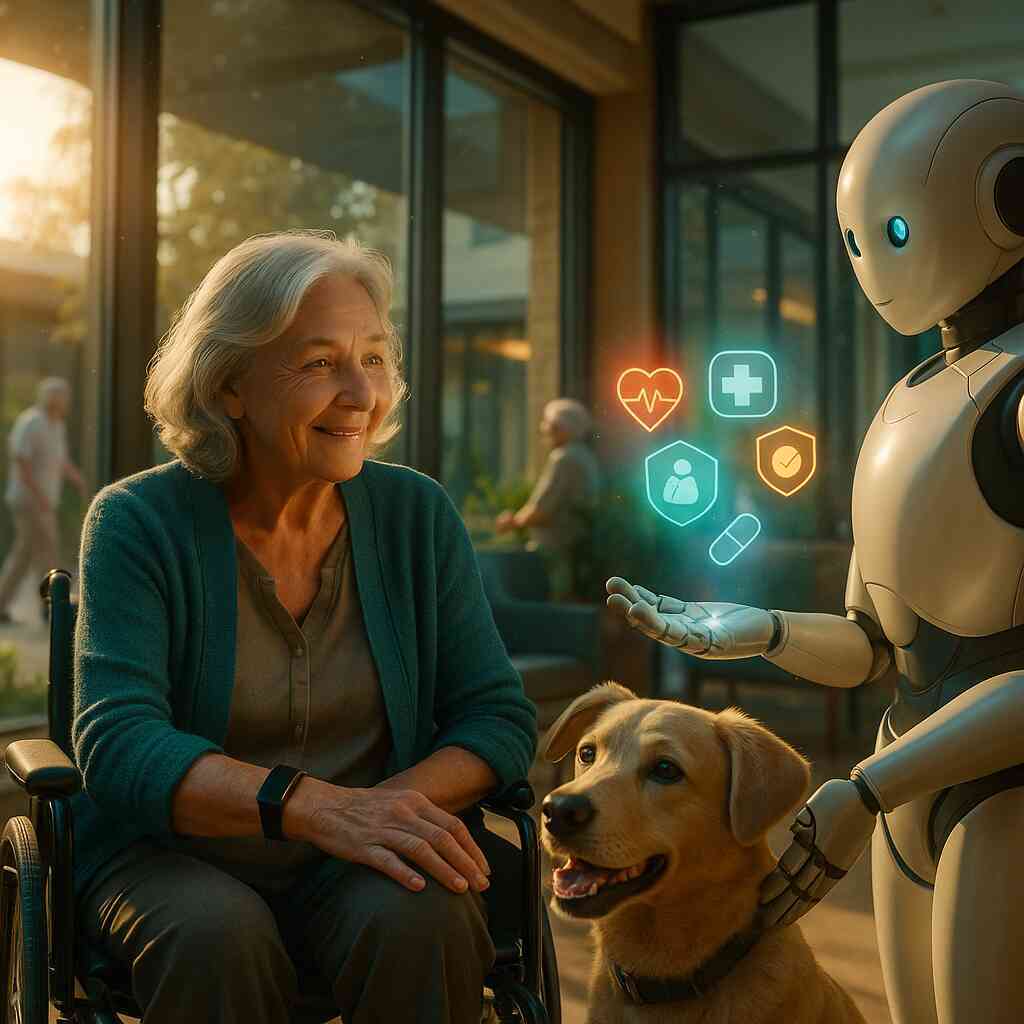
Artificial intelligence is no longer experimental in senior housing. Communities now use machine-learning tools and sensor networks every day, quietly improving safety, health, and social engagement for residents. This overview explains the most practical ways AI is reshaping assisted living, memory care, and independent living settings in 2026.
Predictive Health: Moving From Detection to Prevention
Traditional care teams relied on scheduled vitals checks and residents’ self-reports. AI platforms replace that reactive model with continuous observation and real-time alerts.
- Wearable biosensors track heart rate, oxygen saturation, and movement patterns. An algorithm compares each data stream to the resident’s personal baseline, flagging deviations hours or even days before symptoms appear.
- Smart mattresses and chair pads monitor nighttime respiration and pressure points, helping nurses prevent falls, skin breakdown, and sleep-related breathing issues.
- Integrated dashboards display trends inside the electronic health record so clinicians can adjust medication or therapy protocols without extra data entry.
Facilities that adopt these tools report fewer emergency transfers and shorter hospital stays because issues are caught earlier and managed on site.
Medication Management With Near-Zero Error Rates
Polypharmacy is common for older adults. Cloud-connected dispensing cabinets and AI-driven eMAR (electronic medication administration record) systems make complex regimens safer and simpler.
- The pharmacist programs dosage and timing into a secure platform.
- A tabletop dispenser unlocks only the correct packet at the scheduled hour.
- Computer vision confirms the right resident receives the right pills. If a dose is missed, the nurse and pharmacist receive automatic notifications.
This closed-loop process reduces omissions, doubles, and adverse interactions, while giving families confidence that prescriptions are followed precisely.
Smarter Staffing, Happier Teams
Labor represents the largest operating cost in senior living. AI-based scheduling tools analyze census levels, acuity scores, and employee credentials to create balanced shift rosters in seconds.
- Automatic competency matching ensures a nurse with wound-care training is on duty when high-risk residents are present.
- Predictive overtime alerts identify potential coverage gaps days ahead, allowing managers to offer voluntary shifts rather than last-minute mandates.
- Natural-language shift notes let caregivers dictate progress updates; speech recognition software handles the transcription, leaving more time for direct resident interaction.
The net effect is lower burnout, smoother coverage, and stronger continuity of care.
Fall Detection That Thinks in Milliseconds
Conventional call buttons depend on the resident’s ability to press a pendant after a fall. Vision-based and lidar-based systems add a crucial safety layer.
- Cameras and depth sensors study routine walking patterns, then alert staff when a body angle or acceleration suggests a slip.
- The alert travels to mobile devices with room location, enabling response in under two minutes.
- Privacy safeguards blur facial features and process imagery on local edge devices, ensuring data stay within the building.
Residents remain independent while knowing that unseen protection is always present.
Combating Social Isolation With Digital Companions
Loneliness can raise mortality risk as much as smoking. AI tools tackle the problem on both individual and community levels.
One-on-One Engagement
Conversational agents designed for older adults can
- remember preferred topics,
- speak slowly or in multiple languages, and
- suggest activities based on mood analysis.
Residents who practice daily dialogue exercises often show improved verbal fluency and lower anxiety.
Community-Wide Insight
Data from dining check-ins, activity sign-ups, and wearable step counts feed a social-connectedness index. When the algorithm spots a resident skipping meals or walks for several days, life-enrichment staff receive a gentle nudge to reach out. Early contact prevents withdrawal from turning into depression.
Virtual Reality for Reminiscence and Adventure
Group VR sessions transport participants to symphony halls, national parks, or childhood neighborhoods. Because the experience is shared in real time, residents chat afterward about memories or new knowledge, strengthening peer bonds. Motion-sensitive controllers can even support gentle upper-body exercise during the journey.
Building Trust Through Transparent Training
Technology succeeds only when everyone understands its purpose.
- Residents attend hands-on workshops where they practice voice commands to dim lights or call the front desk.
- Family webinars walk through privacy settings and explain how health alerts are routed to nurses first, not to insurance databases.
- Clinical staff review case studies showing how machine-learning suggestions complement—not replace—professional judgment.
Open communication turns initial skepticism into confident participation.
Infrastructure: The Hidden Hero
Predictive maintenance may sound mundane, yet it is mission-critical. AI models that monitor elevator motor vibration, generator run-time, and HVAC performance prevent sudden failures that could strand residents or disrupt climate control during extreme weather. Fewer emergency repairs translate into budget capacity for more resident-facing programs.
Practical Steps for Communities Considering AI
- Start with one high-impact pilot such as fall detection or medication dispensing. Prove value, then expand.
- Form a cross-department committee including nursing, IT, life enrichment, and resident representatives to select use cases.
- Audit data governance to ensure HIPAA compliance and clear consent procedures.
- Measure outcomes—hospital readmissions, staff overtime, resident satisfaction—so success is objective, not anecdotal.
Looking Ahead
As sensor costs drop and interoperability standards mature, expect even tighter integration between home health, hospitals, and senior living campuses. Artificial intelligence will act as the connective tissue, turning disparate data points into a unified, proactive care plan.
For seniors, the promise is simple yet profound: fewer health crises, richer days, and the comfort of knowing that both people and technology are looking out for their well-being.
How Senior Living Facilities Use AI to Enrich Daily Living


Comments
Post a Comment