Assisted vs Independent Living: Choosing the Best Fit 2026
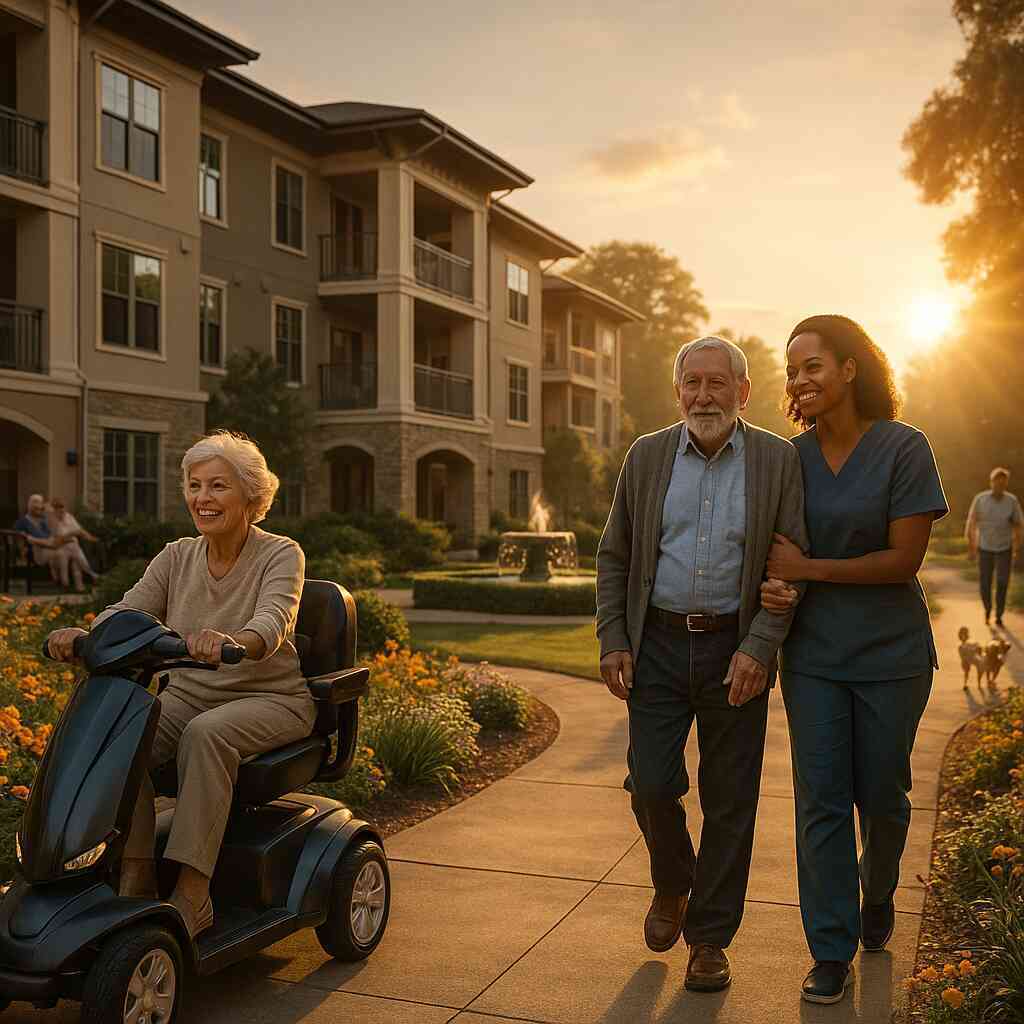
Understanding Assisted and Independent Living
Older adults have more residential choices than ever. Two of the most popular are independent living and assisted living. At first glance the buildings may look similar—private apartments, restaurant-style dining rooms, and busy activity calendars. The difference comes down to how much daily support is built into the monthly fee and how care is delivered when health changes.
This guide walks through the core features of each setting, highlights questions to ask on a tour, and offers practical tips for matching services to lifestyle goals.
What Independent Living Provides
Independent living communities are designed for seniors who can manage personal care and medications on their own but no longer want the headaches of home maintenance. Landscaping, appliance repairs, snow removal, and property taxes are all handled by the operator, freeing residents to focus on wellness and leisure.
Typical inclusions:
- A private apartment or cottage with a full kitchen or kitchenette.
- One to two meals per day in a communal dining venue (additional meals often optional).
- Weekly housekeeping and flat-linen service.
- Scheduled transportation to medical appointments, shopping, and outings.
- Robust social calendar—fitness classes, hobby clubs, cultural events, and off-site excursions.
- Safety features such as emergency pull cords, grab bars, and 24-hour staffing at the front desk.
Crucially, no daily hands-on care is built into the base package. If a resident later needs help with bathing or medication, they must arrange private duty services or explore a higher level of care within the same campus if available.
Who Thrives in Independent Living
- Adults seeking a low-maintenance lifestyle and more social connection.
- Couples who travel frequently and want a secure “lock-and-leave” home base.
- Individuals recovering from the loss of a spouse who value peer support.
- Active retirees who want predictable costs for housing, utilities, and amenities.
How Assisted Living Differs
Assisted living builds everything above plus daily assistance with the activities of daily living (ADLs). Communities are licensed at the state level, which sets minimum staffing and care standards. While the environment still feels residential rather than clinical, an on-site care team is always available.
Common care services:
- Bathing, grooming, and dressing support.
- Medication management, including pharmacy coordination and refill tracking.
- Cueing or physical help to reach the dining room or activities.
- Continence reminders or in-room toileting assistance.
- Blood pressure or weight monitoring under a nurse’s supervision.
Most providers offer tiered care levels. As needs rise, the monthly rate increases rather than forcing a disruptive move. Communities also coordinate with outside home-health or hospice agencies so residents can age in place longer.
Who Benefits From Assisted Living
- Seniors who are mostly independent but need consistent prompting or hands-on help with one or more ADLs.
- Families who live far away and worry about missed medications or falls.
- Individuals who find hiring and supervising in-home aides too complex or costly.
Cost Snapshot
Pricing varies widely by region, square footage, and amenity package, yet a few patterns hold:
| Expense Category | Independent Living | Assisted Living |
|---|---|---|
| Base Monthly Fee | Lower | Higher (care included) |
| Meals | Often 1-2 daily | 3 daily |
| Personal Care | Pay-as-needed | Bundled or tiered |
| Tax Deductible | Housing only | Portion may be medical expense |
Independent living might be the economical choice for someone with robust health who can hire short-term help only when necessary. Assisted living can become the better value once daily care hours exceed what a private caregiver would cost.
Touring Tips
Whether comparing two properties or a dozen, keep a notebook and evaluate the same factors at each stop.
Physical Environment
- Cleanliness and smell
- Apartment layout—can mobility aids fit?
- Lighting, handrails, elevator access
Care and Staffing
- Staff-to-resident ratio on all shifts
- Training requirements and background checks
- On-site nurse hours and after-hours protocols
Lifestyle and Culture
- Activity calendar variety
- Resident involvement in planning events
- Dining flexibility—open seating or fixed times?
Financial Clarity
- Entrance fees or deposits and refund policy
- Exactly what is included in the base rent
- How and when rate increases are communicated
Matching Needs to Options
- List current abilities. Note which ADLs are fully independent, which need standby help, and which require full assistance.
- Project future changes. Progressive conditions (arthritis, Parkinson’s, heart failure) often come with predictable care increases.
- Calculate true costs. Add private caregiver wages, payroll taxes, and overtime when comparing in-home support with assisted living packages.
- Consider social health. Isolation is linked to depression and cognitive decline. Communities with active engagement can be preventive medicine.
If a couple has different needs, explore properties offering both levels on one campus. A healthy spouse can live independently while visiting a partner in an adjacent assisted living wing, reducing travel time and stress.
Frequently Asked Questions
Can I bring my car?
Most independent and assisted living communities provide parking. Some charge a nominal fee; others include it. Communities also run scheduled shuttles so residents can downsize to one vehicle or give up driving altogether.
What happens in a medical emergency?
Staff will contact emergency services and the designated family member. Assisted living teams also maintain updated physician orders and medication lists to hand paramedics.
Is assisted living the same as a nursing home?
No. Nursing homes (skilled nursing facilities) offer 24-hour medical care, IV therapy, and complex wound treatment. Assisted living supports daily personal needs but is not licensed for high-level medical procedures.
Are pets allowed?
Many communities welcome small dogs or cats. Weight limits and breed restrictions vary, and residents must show the ability to care for the animal safely.
Key Takeaways
- Independent living prioritizes maintenance-free housing and active social life, with medical care obtained à la carte.
- Assisted living wraps personal care and nurse oversight into a residential atmosphere, ideal for seniors needing daily help.
- Costs converge when out-of-pocket caregiver hours approach the bundled rates of assisted living.
- Touring multiple communities, asking consistent questions, and involving health professionals lead to confident decisions.
Selecting the right level today—and a campus that can adjust tomorrow—helps older adults maintain dignity, safety, and joy well into their later years.
Assisted vs Independent Living at Senior Living Facilities


Comments
Post a Comment