Designing Age-Inclusive Multigenerational Senior Living
Why Multigenerational Support Matters
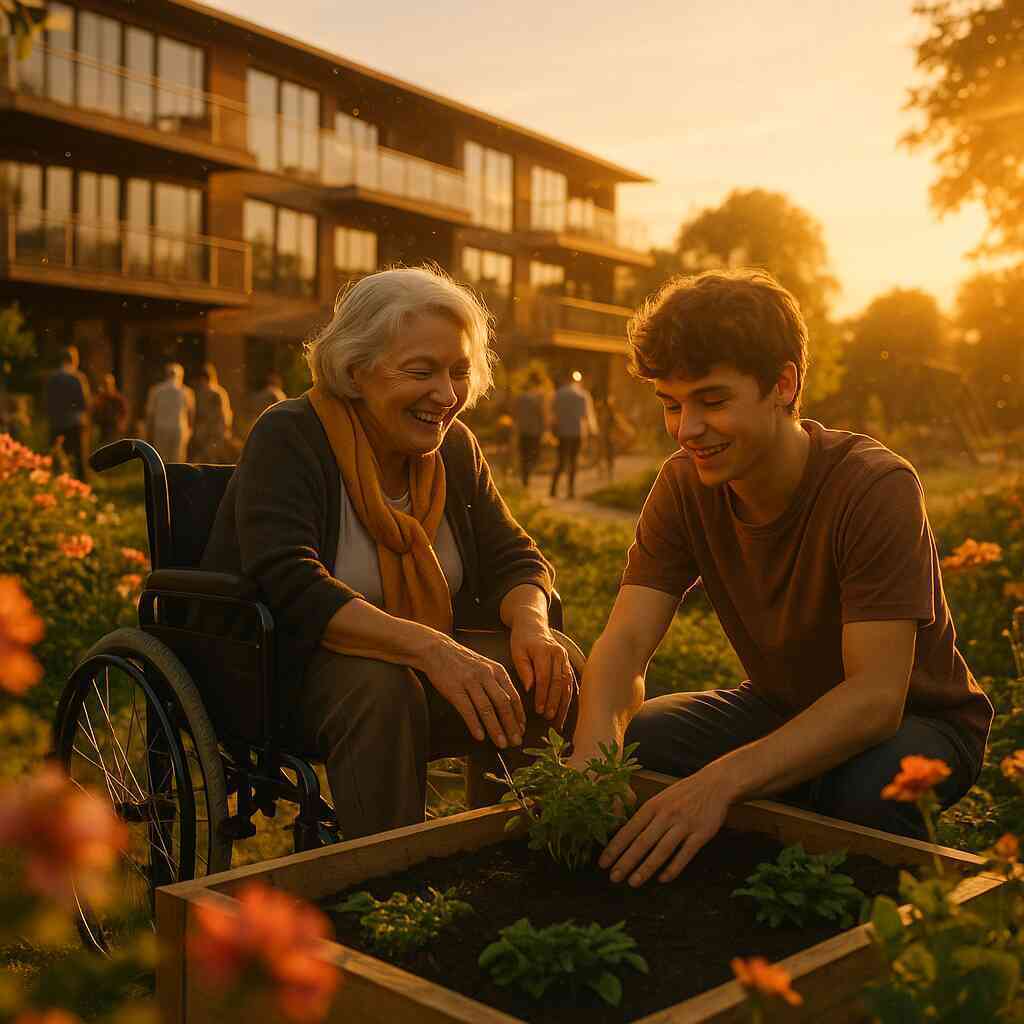
Modern senior living communities are moving beyond safety and medical care. They now put equal weight on social connection, purpose, and lifelong learning. Welcoming children, teens, and adults of all ages into the daily rhythm creates exactly that mix. Residents mentor, play, and create alongside younger neighbors, turning "senior living" into simply "living".
Core Benefits of an Age-Diverse Model
1. Lower Loneliness, Higher Purpose
- Regular contact with children and young adults gives older residents fresh stories to tell and problems to solve.
- Even brief weekly interactions—helping with homework, reading aloud, or planting seeds—have been shown to lift mood and reduce reported isolation.
2. Cognitive Stimulation
- Novel conversations activate memory recall and language centers.
- Residents often learn new technology from teens, while younger volunteers gain patience and historical insight.
3. Physical Activity Without the Gym Feel
- Gardening, walking a toddler to the onsite playground, or teaching a dance routine keeps residents moving in ways that feel meaningful rather than obligatory.
4. Stronger Community Ties
- Families visit more often when a community openly welcomes grandchildren, pets, and flexible schedules.
- Local schools, colleges, and civic groups value campuses that double as gathering hubs, ensuring a steady pipeline of intergenerational programs.
Architectural Features That Encourage Connection
Universal Pathways
Wide, gently graded sidewalks allow walkers, wheelchairs, strollers, and scooters to travel together. Rest nooks with shade and water fountains create natural conversation spots.
Side-by-Side Activity Zones
- Raised garden beds sit next to low planting boxes so adults can stand while children crouch.
- A playground positioned beside a bocce court lets laughter carry across age groups.
Flexible Maker and Learning Labs
Worktables with adjustable heights accommodate robotics teams after school and wood-working clubs before dinner. Good task lighting and acoustic panels keep the space friendly for both hearing aids and excited chatter.
Teaching Kitchens
Induction cooktops prevent burns, while color-contrasted counters improve visibility. Cooking classes can pivot from soft-diet soups at noon to spicy international dishes led by college culinary students at six.
Accommodating Guest Suites
Short-stay apartments encourage adult children to work remotely onsite, share meals, and attend evening lectures without a long commute.
Programming Ideas That Work Year-Round
- Storytelling circles pairing elementary classes with resident veterans.
- Intergenerational choir or drumming group that meets weekly and performs at local festivals.
- “Tech Buddies” drop-in lab where teens help set up telehealth portals or photo-sharing apps.
- Seed-to-Table projects: planting in spring, harvesting in summer, communal cooking in fall.
- Grandparent-led homework club that provides quiet tutoring space after school.
Building a Culture of Mutual Respect
Merely placing age groups in the same room is not enough. Successful multigenerational communities cultivate:
- Shared decision-making boards where residents and outside partners plan events together.
- Clear guidelines on noise, safety, and supervision to protect vulnerable participants without dampening spontaneity.
- Orientation sessions for new volunteers that highlight age-related sensory changes, mobility needs, and communication tips.
What Families Look For in 2026
Parents and adult children no longer see a move as a retreat from family life. They search for campuses where:
- Grandchildren can drop in after soccer practice.
- Coworking lounges let relatives answer emails while a loved one attends physical therapy down the hall.
- Onsite child-friendly cafés replace formal visiting hours with casual meetups.
Communities that accommodate these expectations tend to report higher occupancy and stronger long-term satisfaction.
Tips for Communities Considering the Shift
- Start Small – Pilot one weekly intergenerational class before redesigning an entire wing.
- Engage Local Schools & Clubs – Many need volunteer hours or unique venues and will jump at a structured partnership.
- Train Staff Thoroughly – Equip team members to balance risk management with the creative energy that children bring.
- Gather Regular Feedback – Short surveys and informal check-ins help adjust programs and spaces quickly.
- Celebrate Success Publicly – Photo displays and community newsletters reinforce the value of age-inclusive moments.
Measuring Success Beyond Attendance
Quantitative metrics—such as participation rates, fall incidents, or hospitalization days—matter, but qualitative stories carry equal weight. A resident who regains confidence using a tablet after a teenager’s lesson, or a child who discovers a love of gardening through a patient elder, signals impact that statistics miss.
Looking Ahead
By threading multigenerational support through architecture, programming, and culture, senior living facilities can move from isolated care settings to vibrant neighborhood anchors. The payoff is resilience: residents stay healthier; families stay closer; and surrounding communities gain a living example of how every age enriches the next.
As expectations continue to evolve in 2026, campuses that welcome toddlers’ giggles, teenagers’ curiosity, and older adults’ wisdom will stand out. They will not merely house seniors—they will inspire solidarity across decades, proving that the best way to age is together.
Multigenerational Support in Senior Living Facilities


Comments
Post a Comment