How Senior Living Communities Measure Social Connection
Why Social Health Deserves the Same Attention as Medical Care
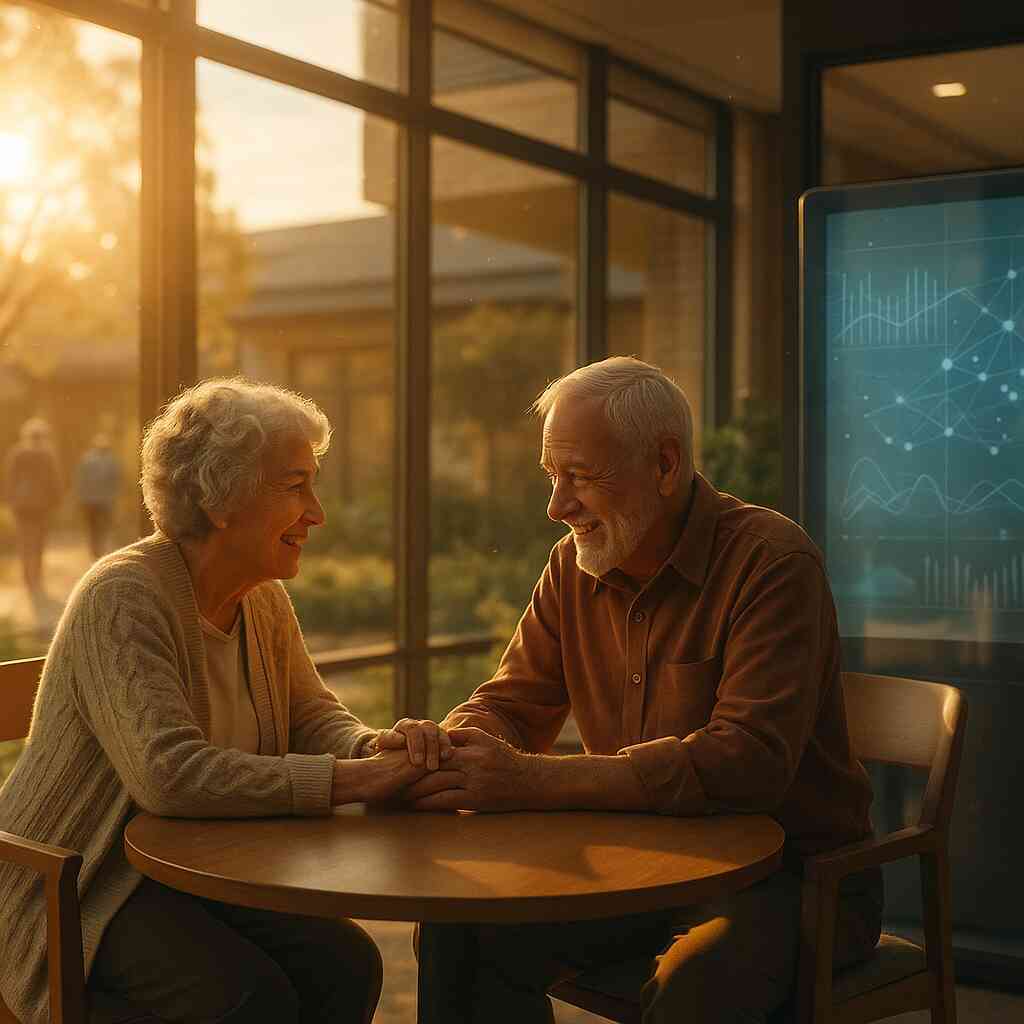
When a resident moves into a senior living community, family members often focus on medication management and fall-prevention. Yet studies repeatedly show that the quantity and quality of meaningful human contact can predict cognitive resilience, immune function, and overall life expectancy. Put simply, loneliness is as dangerous as many chronic diseases. Forward-thinking operators now watch social connection indicators as closely as vital signs.
From Headcounts to Heartfelt Engagement
For decades, activity directors relied on a clipboard and a tally sheet. If 30 residents attended bingo, the program looked successful. Today the question has shifted from “How many showed up?” to “Did anyone make a new friend?” Modern assessment tools therefore examine depth, frequency, and reciprocity of interactions, not just attendance numbers.
Core Elements of a Holistic Social Audit
- Relationship Mapping — staff use simple network diagrams to reveal who frequently chats, eats, or attends events together. Residents with few connections are flagged for follow-up.
- Resident Social Satisfaction Surveys — confidential quarterly questionnaires ask about feelings of inclusion, purpose, and whether the resident has someone to confide in.
- Behavioral Observations — trained aides note eye contact, shared laughter, and whether conversations extend beyond small talk. These “soft” data points often predict emotional wellbeing better than any numerical score.
- Passive Mobility Tracking — with permission, wearable devices count steps to dining rooms, garden paths, or a neighbor’s door. Less movement toward communal areas can be an early warning of withdrawal.
Key Metrics Operators Monitor in 2026
| Metric | What It Tells Us |
|---|---|
| Average “meaningful moments” per day | Brief but genuine interactions of at least three minutes. |
| Friendship density | Number of close peers each resident reports. |
| Program variety index | Balance of physical, creative, spiritual, and volunteer offerings. |
| First-month connection rate | Percentage of newcomers who identify a friend within 30 days. |
| Intergenerational touchpoints | Events or programs involving younger volunteers or students. |
Technology’s Expanding Role
Smart scheduling platforms now integrate sign-in kiosks, survey results, and notes from caregivers. Dashboards highlight residents at risk for isolation, prompting staff to introduce them to hobby groups or peer mentors. Some communities test AI-assisted sentiment analysis of communal-area conversations (with consent) to gauge overall mood trends.
Digital tools never replace human intuition, but they give teams the data needed to intervene quickly, often preventing a slide into depression long before clinical symptoms appear.
How Public Platforms Boost Transparency
Families rarely see raw scorecards during a 60-minute tour. Third-party “senior living near me” websites increasingly request anonymized engagement metrics—participation rates, volunteer hours, or resident council attendance—so shoppers can compare communities on more than square footage or menu choices. Operators that openly share such data build trust and tend to maintain higher occupancy.
What Prospective Residents and Families Should Ask
When evaluating a potential home, consider adding these questions:
- “How do you identify and support residents who are naturally introverted?”
- “Can you show examples of recent social satisfaction results and how you acted on them?”
- “What is your average first-month connection rate for new move-ins?”
- “Which programs were created directly from resident suggestions?”
Clear, specific answers signal a culture committed to continuous improvement rather than check-the-box programming.
Practical Steps Communities Use to Strengthen Bonds
- Peer Ambassador Programs: Experienced residents greet newcomers at meals and accompany them to events during the first two weeks.
- Small-Group Interest Circles: Book clubs, choir practice, garden committees—groups capped at eight encourage deeper conversation.
- Life-story Workshops: Guided sessions where residents craft personal timelines and share pivotal moments, sparking empathy and new friendships.
- Intergenerational Projects: Partnering with local schools for tech tutoring or story-circle exchanges widens each resident’s social net while building youth empathy.
Benefits Beyond Happiness
Higher connection scores have real operational impact:
- Lower hospital readmissions: Engaged residents are more likely to report early symptoms to friends or staff.
- Reduced turnover: Staff morale rises when they see residents thriving socially.
- Positive online reviews: Families notice vibrant common areas and genuine camaraderie, fueling word-of-mouth referrals.
Looking Ahead
In 2026, the demand for measurable, transparent social health data will only grow. Communities that treat friendship formation as a core service—not a bonus amenity—will lead the market. Families, regulators, and insurers alike are beginning to view social connection quality as an essential health metric on par with blood pressure or glucose levels.
Takeaway
Measuring social connection is no longer a soft science. Through thoughtful surveys, behavioral insights, and respectful technology, senior living communities can pinpoint isolation risks early and foster a culture where every resident feels recognized, valued, and truly at home.
How Senior Living Facilities Gauge Social Connection Quality


Comments
Post a Comment