How Senior Living Facilities Track Social Connection
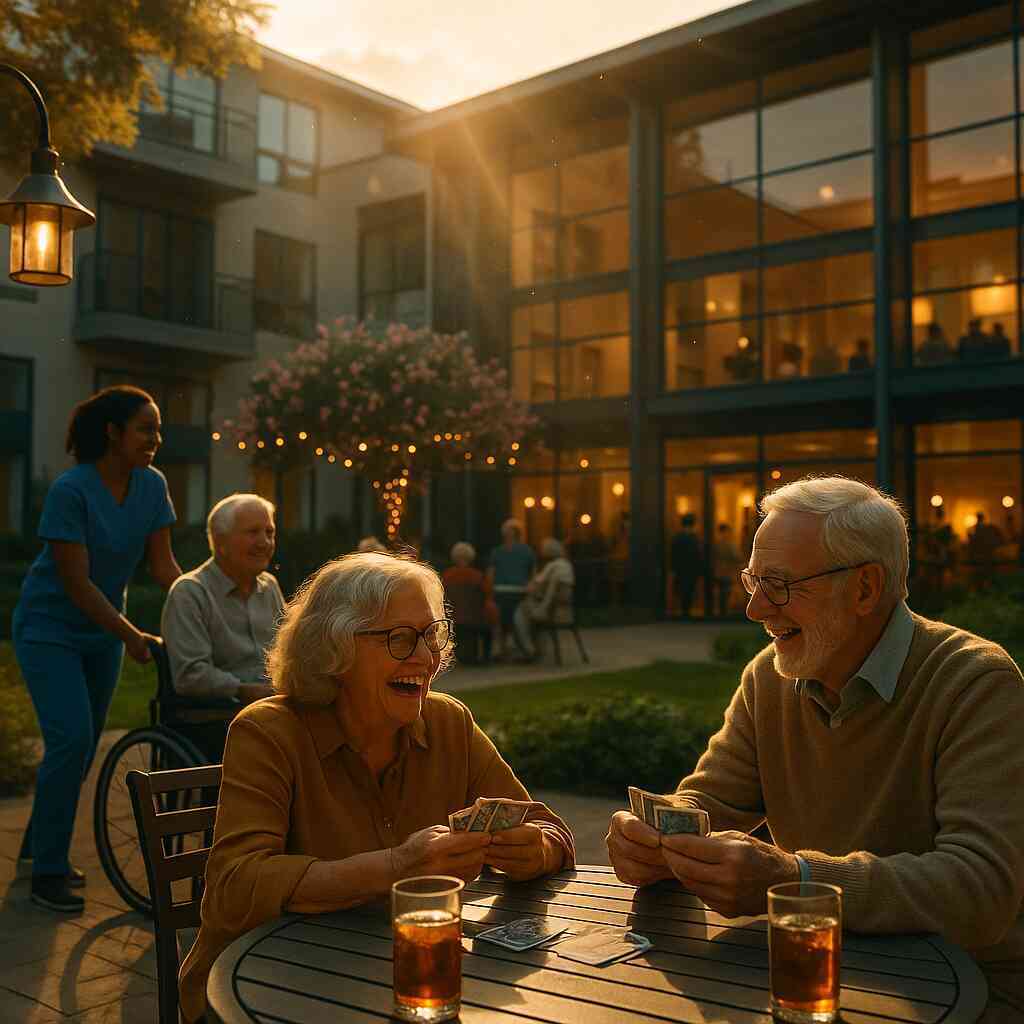
Social Health: The Hidden Vital Sign in Senior Housing
Most families touring a senior community want assurance that Mom or Dad will stay active and safe. In 2026 a third, quieter question now carries equal weight: “Will my parent feel connected here?” Forward-thinking operators answer that question with the same rigor they apply to fall-prevention or medication management. This overview explains why social engagement is becoming a clinical indicator, how communities capture that data, and what families can look for during a visit.
Why Connection Matters as Much as Blood Pressure
Isolation increases the risk of depression, cognitive decline, and hospital readmission. On the positive side, strong friendships motivate residents to
- attend exercise classes
- keep medical appointments
- follow nutrition plans
When people feel seen and valued, routines stick. That is why social metrics now sit beside vital signs at many care plan meetings.
The Resident Connection Index: A New Scorecard
To move from warm-and-fuzzy anecdotes to measurable outcomes, many communities build a Resident Connection Index (RCI). While each operator tailors questions to its culture, most RCIs track three core elements:
- Frequency – How often does a resident interact face-to-face with peers or staff beyond required care tasks?
- Diversity – Do those interactions span multiple settings such as dining rooms, hobby clubs, and outdoor spaces?
- Depth – Does the resident report having at least one confidant or meaningful friendship on site?
RCI data comes from short surveys, activity sign-in sheets, and passive tools such as motion sensors in lounges. Scores refresh monthly so staff can spot downward trends early.
Designing Spaces That Spark Conversation
Architecture either encourages or discourages casual encounters. Successful communities often share these design choices:
- Open-concept living rooms visible from hallways
- Wide garden paths with seating nooks every 50–75 feet
- Tech hubs with large-print tablets for video calls and digital games
Introverted residents benefit too, because the environment lowers the effort required to say a quick hello or join a small group.
Program Models That Move the Needle
Communities with high RCI scores rarely rely on one flagship event. Instead, they layer small, repeatable touchpoints throughout the week:
1. Intergenerational Mixers
Local students visit for chess matches or story swaps. The predictable schedule builds anticipation and cross-age empathy.
2. Peer Mentoring Circles
Long-term residents volunteer as “welcome ambassadors,” dining with newcomers and introducing them to interest groups.
3. Purpose-Driven Clubs
Gardening, woodworking, and book discussions give residents a shared goal beyond socializing for its own sake.
Participation rates in these programs correlate with fewer unscheduled nursing visits, because engaged residents are more likely to communicate needs early.
Technology as a Quiet Ally
Wearables and community apps no longer feel futuristic; they are everyday tools. Examples include:
- Digital calendars that suggest events based on past attendance
- Bluetooth badges that log time spent in common areas while protecting privacy through anonymized data
- Alert dashboards that flag when an individual’s lounge visits drop below a personalized baseline
Staff use this information to offer transportation, adjust activity timing, or simply check in with a friendly chat.
From Isolation to Integration: Mapping the Journey
The first 90 days after move-in carry the highest risk of loneliness. Leading providers create a structured path:
- Profile Building – Intake interviews capture hobbies, cultural traditions, and conversation topics.
- Personalized Social Plan – Specific clubs and dining tables are recommended, similar to a physical therapy schedule.
- Weekly Check-Ins – Short surveys ask, “Do you feel known here?” or “Have you laughed with someone today?”
- Celebration and Pay-It-Forward – Once a newcomer meets initial RCI goals, they are invited to mentor the next arrival.
This cycle turns former outsiders into community builders, sustaining a culture of belonging.
What Families Should Ask During a Tour
When you visit a potential residence, look and listen for concrete evidence that social health is managed, not left to chance:
- “How do you measure resident engagement, and how often is it reviewed?”
- “Can you share last quarter’s participation rates in group activities?”
- “What happens if someone stops attending events?”
- “Do you have staff dedicated solely to life enrichment?”
Also trust your senses: Are lounges lively? Are calendars current? Do residents greet staff by name?
The Road Ahead: Regulation and Transparency
Federal and state quality initiatives are beginning to list social indicators alongside clinical ones. Early adopters that already publish RCI scores hold a clear competitive edge. Families, meanwhile, gain a transparent yardstick to compare options and to advocate for continuous improvement.
Key Takeaways
- Social connection is now recognized as a modifiable health factor, not a luxury.
- The Resident Connection Index turns feelings of belonging into actionable numbers.
- Inclusive design, layered programming, and smart technology work together to lift engagement.
- Families should request social data just as confidently as they ask about staffing ratios or safety records.
Senior living will always provide meals, care, and shelter. The communities that thrive in 2026 add something harder to quantify yet essential to human well-being: genuine, measurable connection.
Senior Living Facilities Measure Social Connection Quality


Comments
Post a Comment