Improving Quality of Life in Today’s Senior Living
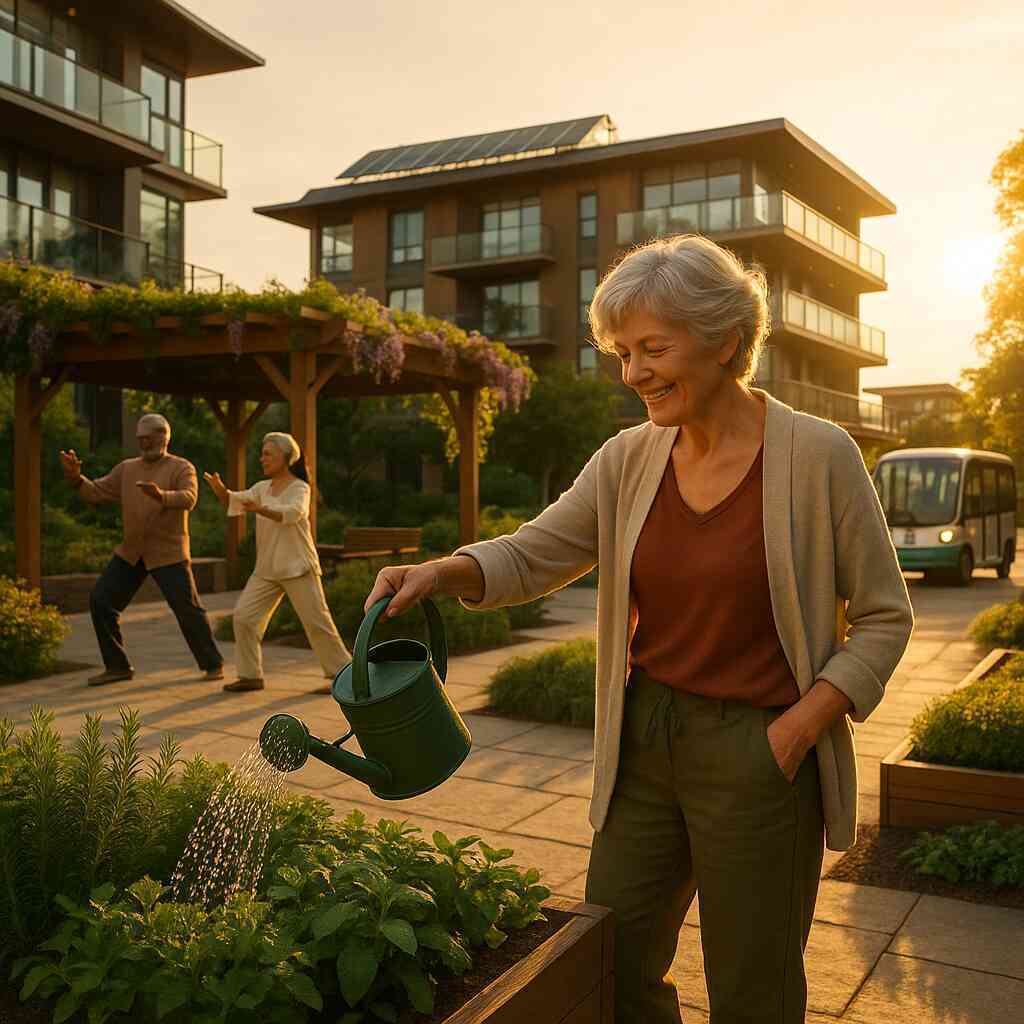
Opening Doors to Vibrant Aging
Modern senior living is no longer defined by three meals and a call-button. Residents and families now expect an environment that supports purpose, friendship, and growth alongside trusted care. This guide outlines practical ways communities can elevate quality of life while giving families confidence in their choice.
Why "Quality" Looks Different in 2026
Quality once focused on safety and basic comfort. In 2026, it also measures:
- Personal goal attainment (learning an instrument, finishing a memoir)
- Social vitality (laughter, spontaneous gatherings, new friendships)
- Daily purpose (reliable routines plus meaningful projects)
Communities that track these softer indicators—alongside traditional clinical metrics—gain a fuller picture of resident wellbeing.
Designing Communities for the 55+ Lifestyle
The rise of age-restricted neighborhoods shows how design influences engagement:
- Walkable layouts with step-free paths encourage informal strolls and neighborly chat.
- Smart-home features—voice-controlled lights, medication reminders—support independence.
- Shared creative spaces such as art studios or makerspaces spark curiosity at any age.
- Green infrastructure (community gardens, composting stations) aligns personal wellness with environmental values.
Whether coastal, suburban, or city-centered, successful developments give residents choices without pressure to participate.
Crafting Personalized Care Plans
Every resident arrives with unique strengths, preferences, and health needs. A robust intake process should include:
- A life story interview capturing cultural background, passions, and routines.
- A physical and cognitive assessment from an interdisciplinary team.
- A discussion of short- and long-term goals framed around abilities, not limitations.
Care plans work best when reviewed monthly with the resident present. Small tweaks—an extra physical-therapy session, a change in meal schedule—often prevent bigger issues later.
From Independence to Advanced Support: Seamless Transitions
Many older adults relocate while still healthy, then stay as needs change. Communities can smooth that journey by:
- Offering tiered service packages that adjust gradually rather than forcing a disruptive move.
- Training all staff, from reception to dining, in early signs of cognitive or mobility decline.
- Communicating clearly about next-level support so families can plan finances and expectations in advance.
Building a Culture of Engagement
Engagement is not a calendar of events pinned to a bulletin board. It is a mindset that flows through daily life:
Resident-Led Clubs
Hand the reins to the people who know what excites them. Book circles, ukulele groups, or model-railroad societies flourish when residents feel ownership.
Intergenerational Partnerships
Local schools, colleges, or youth groups can visit for tutoring exchanges, art collaborations, or oral-history projects. These programs reduce ageism on both sides and bring fresh energy to the community.
Inclusive Spiritual and Cultural Services
Spaces for meditation, worship, or cultural celebration should be adaptable so all faiths and traditions feel welcome.
Leveraging Technology and Data Wisely
Digital tools are most valuable when they fade into the background and support, rather than replace, human connection.
- Passive safety sensors detect changes in gait or nighttime activity, flagging issues before a fall occurs.
- Telehealth suites allow virtual visits with specialists, reducing hospital trips.
- Analytics dashboards track trends in nutrition, hydration, and engagement, giving leadership real-time insight into community health.
Transparent reporting builds trust with residents and families, showing that decisions are grounded in evidence, not guesswork.
Empowering Staff as Relationship Builders
A caring culture depends on people, not just programs. Best practices include:
- Maintaining favorable caregiver-to-resident ratios so staff have time for conversation, not just tasks.
- Offering ongoing training in dementia communication, cultural sensitivity, and trauma-informed care.
- Recognizing team achievements publicly to reinforce shared purpose.
When employees feel valued, residents notice—and satisfaction scores rise.
Family Involvement Without Micromanagement
Relatives often walk a tightrope between advocacy and overstepping. Communities can help by:
- Providing a single point of contact for questions, reducing confusion.
- Hosting quarterly family councils where data on falls, infection rates, and engagement is reviewed candidly.
- Encouraging families to join events as participants rather than auditors, strengthening the sense of extended community.
Measuring Success Beyond Clinical Numbers
Holistic evaluation tools might include:
- Daily Purpose Index: A short survey asking residents how meaningful their day felt.
- Social Pulse: Tracking attendance and satisfaction across formal and informal gatherings.
- Mood Mapping: Quick check-ins with color-coded stickers that signal emotional state.
These metrics, paired with traditional health outcomes, create a 360-degree view of quality of life.
Key Takeaways
- Quality of life now covers fulfillment, growth, and trusted care—not just safety.
- Thoughtful design, smart technology, and eco-friendly features help residents live on their terms.
- Personalized care plans that evolve regularly prevent small issues from snowballing.
- Engagement thrives when residents lead clubs, connect across generations, and feel true ownership.
- Clear data sharing and family partnership build confidence and sustain community excellence.
Final Word
Exceptional senior living is achievable, measurable, and sustainable when every decision begins with the resident’s voice. By blending evidence-based care with authentic human connection, communities can transform aging into a vibrant, purpose-filled chapter of life.
Guide to Enhancing Life Quality in Senior Living Facilities


Comments
Post a Comment