Intergenerational Senior Living: How Shared Campuses Work
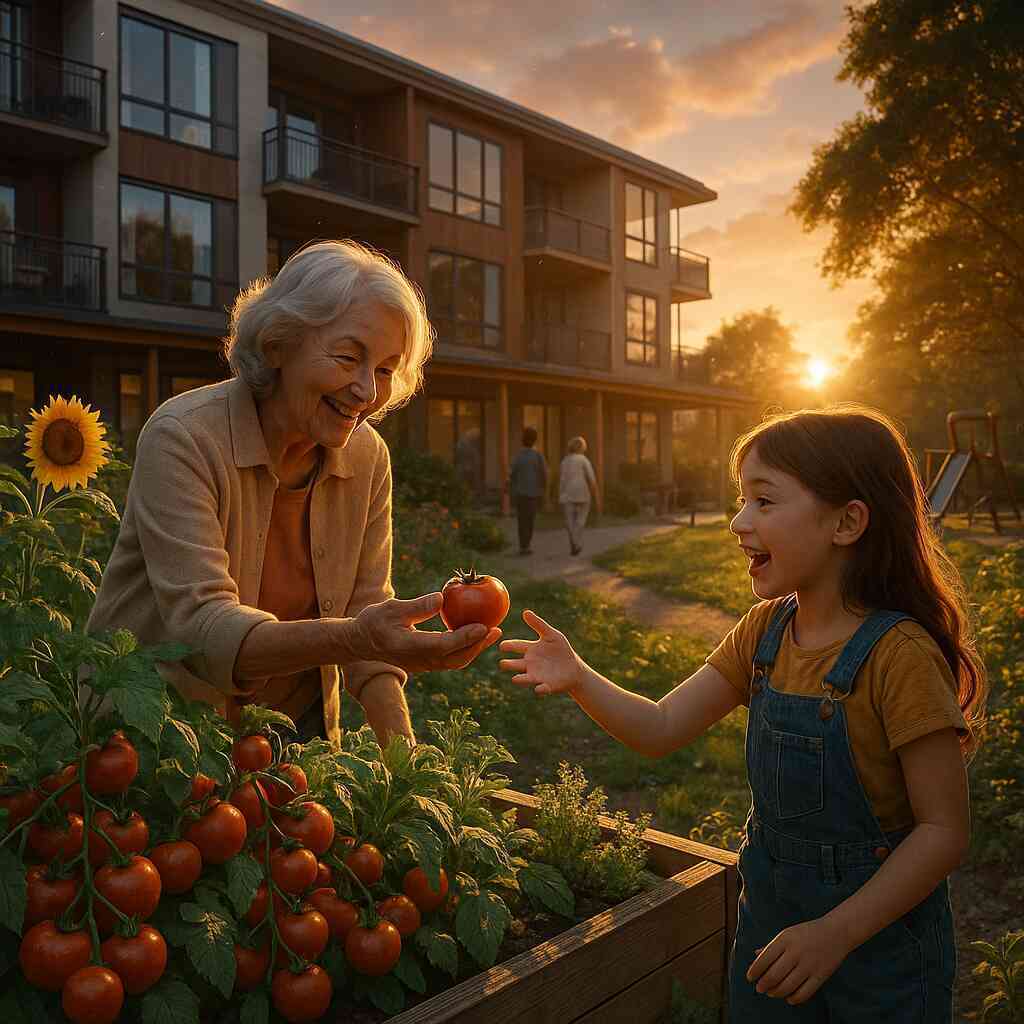
Bringing Generations Together Under One Roof
Intergenerational senior living is reshaping how Americans think about aging, housing, and community support in 2026. Instead of isolating older adults in age-restricted complexes, these campuses invite children, parents, and grandparents to live, learn, and relax in the same place. The approach blends the warmth of a tight-knit neighborhood with the safety and convenience of modern senior care.
Why Multigenerational Housing Is Gaining Traction
Families face three stubborn realities: high housing costs, demanding work schedules, and a need for reliable child or elder care. An intergen campus addresses all three at once:
- Shared resources. Child-care centers, fitness rooms, and health clinics sit steps away from senior apartments, cutting travel time for everyone.
- Built-in social support. Grandparents can walk grandchildren to preschool; students can teach smartphone lessons to retirees; parents gain trusted extra eyes when meetings run late.
- Positive aging model. Children see older adults as active mentors instead of distant relatives visited on holidays, while seniors gain daily purpose and recognition.
Surveys by many senior-housing providers show that residents rank “regular contact with multiple generations” as highly as they rank medical services or dining quality. The shift reflects a growing belief that social well-being is a health metric, not a luxury.
Key Design Features That Make It Work
Physical layout sets the stage for spontaneous, respectful interaction:
1. Convergent Pathways
Mail rooms, coffee counters, and community gardens are placed along the same indoor or outdoor corridor, so residents of every age cross paths naturally.
2. Visible Activity Hubs
Glass walls around art studios, game rooms, and child-care spaces let curious passers-by watch and join in without feeling intrusive.
3. Flexible, Age-Neutral Fixtures
Handrails double as modern trim; adjustable countertop heights suit toddlers and wheelchair users alike. The design says “everyone belongs” rather than singling out any group.
4. Outdoor Rooms for All Seasons
Covered porches, wide walking loops, and picnic nooks make it easy to trade stories or share a snack without scheduling a formal event.
Daily Life on an Intergen Campus
Picture a typical weekday:
- Morning bustle. Parents drop children at the on-site preschool located beside the memory-care garden. Grandparents wave from the veranda, offering high-fives on the way to a watercolor class.
- Midday learning. Retirees lead a local-history session for middle schoolers completing a social-studies project. Shared storytelling sparks questions and laughter.
- Afternoon fitness. A mixed-age walking club circles the pond. Pacing varies, yet conversation keeps everyone together.
- Evening dining. The bistro serves a family buffet early, followed by a quieter, prix-fixe service later. Flexible seating means no one feels out of place.
These small, frequent overlaps build what sociologists call “social capital” faster than any scheduled mixer could.
Measuring Success Beyond Blood Pressure
Forward-thinking operators track social connection with the same rigor they apply to clinical care:
- Friendship density. How many unique residents does the average elder greet daily?
- Cross-age event attendance. Are trivia nights or garden workdays drawing balanced age groups?
- Mood surveys. Do participants report higher optimism after mixed-age activities?
When data shows that residents interact with at least three different generations each day, administrators know the campus design is truly functioning as intended.
What To Look For During a Tour
Finding the right fit takes more than scanning glossy brochures. Keep these questions handy:
- Do common areas feel lively at several times of day, or only during staged events?
- Is the child-care wing visible and easily reached, or tucked far from senior apartments?
- How does the dining schedule align with school pick-up or work hours?
- Are teens or young adults visible in volunteer roles, such as tech tutoring or garden maintenance?
- Is there evidence—bulletin boards, photo walls, resident testimonials—that multigenerational programs run year-round?
A senior-living locator can quickly narrow options, but first-hand observation remains the best test of cultural fit.
Benefits for Each Age Group
Older Adults
- Renewed sense of purpose as mentors and storytellers
- More opportunities for light physical activity through joint programs
- Lower risk of loneliness and depression
Parents
- Convenient support network when work runs late
- Peace of mind knowing children grow up with positive elder role models
Children and Teens
- Broader worldview and respect for aging
- Access to patient listeners and real-life history resources
- Practical skills—from sewing to chess—passed down informally
Common Challenges and How Facilities Solve Them
- Noise balance. Acoustic panels, scheduled quiet hours, and designated “high-energy” zones keep lively play from disrupting rest areas.
- Safety protocols. Secured wings, background-checked volunteers, and clear way-finding signage ensure residents of all ages feel safe exploring the campus.
- Program fatigue. Steering committees with representatives from every age group rotate event themes, keeping calendars fresh and inclusive.
The Future of Senior Living Is Multigenerational
As the U.S. population ages and housing markets tighten, traditional single-purpose facilities may feel increasingly outdated. Intergenerational campuses offer a compelling alternative: they maximize land use, foster community resilience, and, most importantly, honor the human need for connection at every life stage.
For families exploring options in 2026, the key takeaway is simple. Housing that brings generations together can transform aging from a period of withdrawal to one of active, mutual growth. A thoughtful tour—guided by clear questions about design, daily rhythm, and social metrics—will reveal whether a prospective community truly lives its multigenerational promise.
Embracing the model means embracing the idea that the best elder-care strategy might also be the best child-care strategy, neighborhood resource, and wellness program—all rolled into one welcoming place.
Intergen Life at Senior Living Facilities What It Means


Comments
Post a Comment