Memory Care Explained: How Senior Living Communities Help
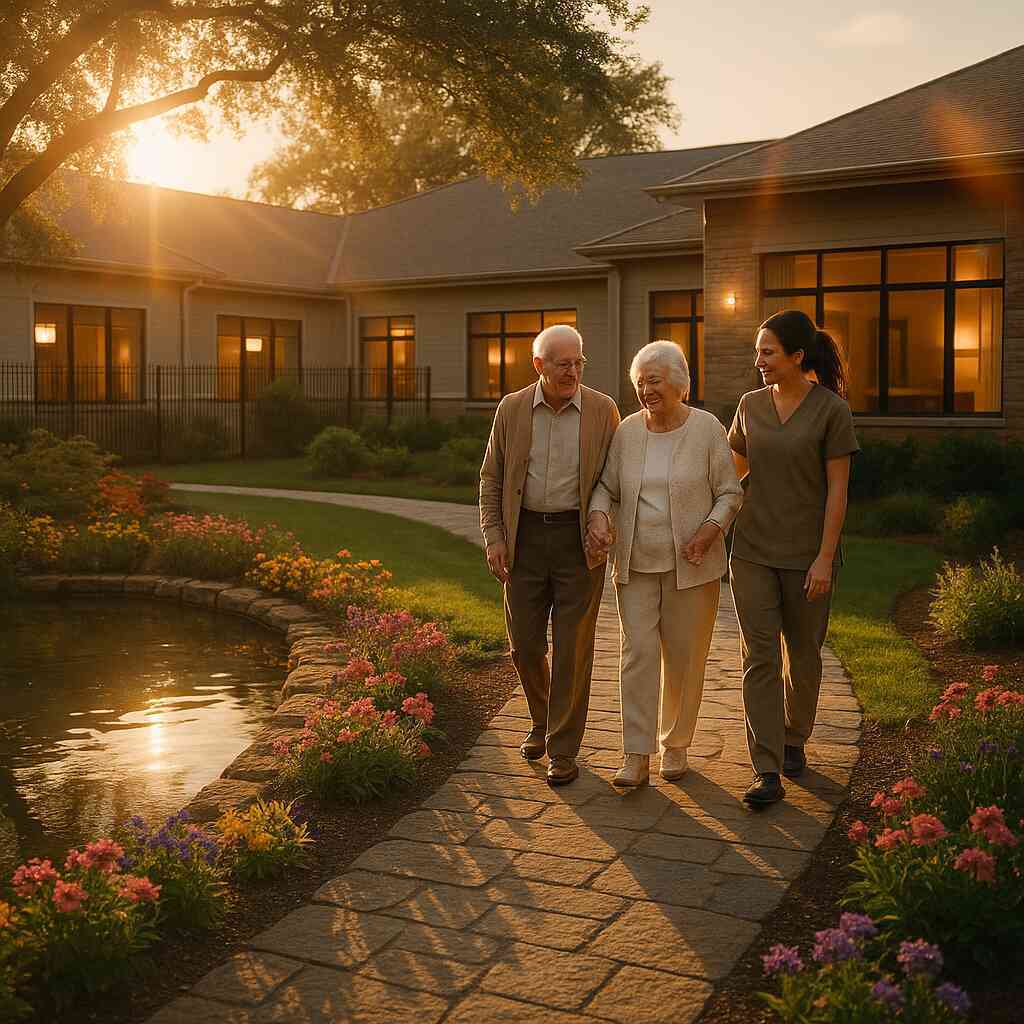
What “Memory Care” Really Means
Finding the right support for a loved one with dementia starts with understanding what memory care covers. In a senior living community, memory care is a specialized branch of assisted living that blends safety, medical oversight, and daily engagement designed specifically for people living with Alzheimer’s disease or other forms of cognitive decline.
Core Principles
- Protect dignity while safeguarding health.
- Provide structure and predictable routines to lower anxiety.
- Use evidence-based activities that exercise long-term memory and preserve as much independence as possible.
- Adjust care plans quickly as abilities change.
Individualized Dementia-Focused Plans
No two residents experience dementia the same way. For that reason, each person receives an individualized service plan developed by an interdisciplinary team:
- Licensed nurses track chronic conditions, manage prescriptions, and coordinate with outside physicians.
- Certified caregivers cue or assist with dressing, grooming, and other activities of daily living (ADLs).
- Recreational therapists lead reminiscence, art, music, and movement sessions built around a resident’s life story.
- Dietitians craft brain-healthy menus emphasizing leafy greens, berries, whole grains, and omega-3 fats.
The plan is reviewed at least monthly—or sooner if a new behavior, medication change, or hospital stay occurs—so support remains in sync with current needs. Families receive regular updates and are encouraged to share observations that could refine the approach.
The Continuum of Care Advantage
Cognitive decline seldom follows a straight, predictable course. Communities that provide a continuum of care—independent living, assisted living, and secure memory neighborhoods on one campus—allow residents to move only when necessary and never far from familiar faces. Benefits include:
- Seamless transitions that reduce confusion.
- Consistent staffing, dining venues, and recreational spaces.
- Predictable pricing structures that limit steep fee jumps after a move.
- Shared electronic health records that prevent medication or therapy gaps.
Life Inside a Secure Memory Neighborhood
When risks such as wandering or compromised judgment appear, a secure neighborhood offers additional layers of protection without sacrificing quality of life.
Environmental Design
- Clearly marked rooms and color-coded hallways help with way-finding.
- Motion sensors and monitored doors prevent unsupervised exit yet allow free indoor walking.
- Small dining rooms and living areas minimize sensory overload.
Daily Programming
Evidence-based interventions are scheduled throughout the day, giving residents purpose and predictable rhythm.
- Reminiscence Therapy – Old photographs, music from earlier decades, or tactile keepsakes prompt storytelling and strengthen identity.
- Cognitive Games – Word searches, sorting activities, and adapted trivia reinforce language and executive skills.
- Creative Arts – Painting, knitting, or guided sculpture lower anxiety and may bypass language challenges, fostering self-expression.
- Movement & Fitness – Chair yoga, rhythm-based exercises, and safe outdoor walks support balance and cardiovascular health.
Group sizes stay small so staff can personalize each session, cue participation, and quickly redirect if agitation appears.
Integrated Medical and Mental Health Services
Older adults with dementia often live with diabetes, heart disease, arthritis, or depression. Communities with on-site clinics or relationship-based visiting providers streamline care:
- Nurse practitioners and primary-care physicians conduct routine exams without the stress of traveling to outside offices.
- Pharmacists review every prescription and over-the-counter product to limit interactions that might worsen confusion.
- Physical, occupational, and speech therapists address balance, fine-motor tasks, and swallowing, helping residents remain mobile and well-nourished.
- Palliative specialists introduce comfort-focused planning early, guiding families through future decisions long before a crisis.
This integrated model lowers emergency room visits and ensures that medical changes do not go unnoticed between routine appointments.
Transitioning From Independent Living
Many elders enter a senior living campus in an independent apartment, still driving or cooking but wanting security and social opportunities. Early adoption of brain-health classes—nutrition seminars, language lessons, meditation groups—can delay cognitive decline. When greater support becomes necessary, the same community offers assisted-living services, then secure memory care, without uprooting friendships or routines.
Recognizing When It’s Time
Families often wrestle with guilt about moving a loved one. Typical signs that a secure memory neighborhood may be beneficial include:
- Frequent wandering or getting lost, even in familiar areas.
- Unsafe kitchen use—burner left on or spoiled food consumed.
- Weight loss from missed meals or forgotten hydration.
- Increased falls, bruises, or unexplained injuries.
- Heightened caregiver exhaustion or stress at home.
A professional assessment can confirm whether needs now exceed what in-home support can realistically provide.
How to Evaluate Communities Near You
When touring, look for the following indicators of quality memory care:
- Training Hours – All staff, including dining and housekeeping, should complete dementia-specific training initially and each year thereafter.
- Staff Ratios – Lower resident-to-caregiver ratios during day and night shifts enable quicker response times.
- Engagement Calendar – A full slate of cognitive, physical, and social programs seven days a week shows commitment to enrichment, not mere supervision.
- Family Partnership – Open-door policies, care plan meetings, and secure photo updates foster transparency and trust.
- Sensory-Friendly Spaces – Natural light, minimal clutter, and quiet areas help residents self-soothe.
Take notes on the aroma, the way staff interact, and how residents appear—content, clean, engaged? These subtle cues often speak louder than brochures.
Key Takeaways
Memory care within a senior living community revolves around individualized plans, specialized environments, and integrated healthcare. A robust continuum of care ensures that as dementia advances, the resident can remain in a familiar place surrounded by caregivers who already know their life story. By evaluating training, programming, and medical resources, families can choose a setting where safety, dignity, and purpose are kept in balance.
Recognizing the right moment to make a change can be emotional, yet the goal remains constant: to give every older adult the best chance to live each day with comfort, meaning, and respect.
Memory Care Meaning at Senior Living Facilities Near You


Comments
Post a Comment