Pet-Friendly Senior Living Communities: The 2026 Guide
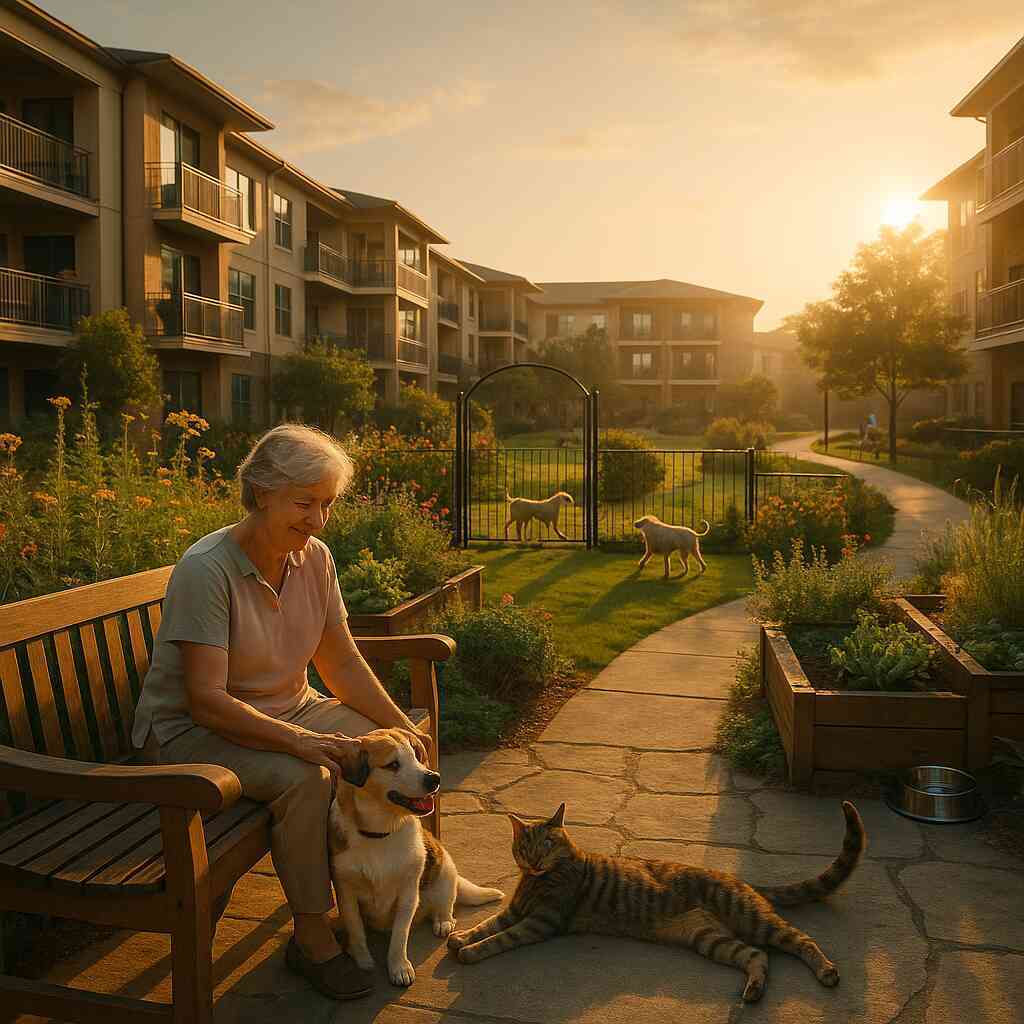
What Makes a Community Truly Pet-Friendly?
Older adults keep pets for the same reasons younger families do: comfort, routine, and a sense of purpose. A senior community that understands this designs policies around the bond, not against it. In practice that means three things:
- Fair, clearly posted rules about species, weight limits, and vaccinations.
- Physical spaces that respect both animals and non-pet owners.
- Staff training that sees pets as partners in resident wellbeing, not obstacles to manage.
When these parts work together, residents enjoy companionship without constant worry over surprise fees or sudden restrictions.
Proven Health Benefits of Aging With Animals
Research in gerontology and veterinary science keeps confirming what owners feel every day:
- Moderate daily activity from dog walking supports joint health and balance.
- Stroking a cat can lower cortisol and steady blood pressure.
- Caring for any animal encourages a predictable routine that aligns with medication schedules and balanced meals.
- Social interaction rises naturally; a dog in the lobby often starts more conversations than scheduled mixers do.
For many seniors, these small but consistent boosts add up to fewer hospital visits and a brighter outlook on aging.
Key Housing Types and How Pet Policies Differ
Independent Living
Residents manage their own day-to-day needs. Communities usually allow common household pets with minimal limits. Look for fenced relief stations, on-site grooming rooms, and walking trails.
Assisted Living
Daily support with dressing, bathing, or medication is provided, yet many buildings still welcome cats, small to medium dogs, and often caged companions such as birds. Important extras here are staff who can assist with feeding or vet appointments when mobility changes.
Memory Care
Secure layouts and specialized programming shape the environment. Some centers keep community pets—often gentle dogs or rabbits—so residents benefit from interaction without individual responsibility. A few will approve a longtime personal pet if the family arranges back-up care.
Skilled Nursing
Because of higher clinical needs and infection-control protocols, individual pets are uncommon. Scheduled therapy-animal visits fill part of the gap. If a facility does allow personal pets, expect tighter rules on vaccines, bathing, and supervised handling.
Amenities to Look For in 2026
Communities continue to innovate. While basic greenspace and waste stations remain must-haves, today’s leading properties often add:
- Indoor relief areas with artificial turf for bad-weather days.
- Climate-controlled cat lounges separate from main dining rooms.
- Mobile veterinary partnerships that bring check-ups on-site.
- Aquatic features such as small dog pools or koi ponds that double as sensory therapy spots.
- Resident led “foster to adopt” programs that partner with local shelters, giving seniors short-term companionship and animals a better chance at placement.
Questions to Ask During a Tour
- What species and breeds are allowed? Any weight or height caps?
- How is pet noise handled if a neighbor complains?
- Are there extra deposits, monthly fees, or cleaning charges? Are any of them refundable?
- Where is the closest 24-hour emergency vet, and does the community arrange transport?
- Does staff help with tasks such as litter box changes or dog walking if a resident is ill?
- How are pets evacuated during weather or fire emergencies?
Getting these answers in writing prevents misunderstandings later.
Budgeting for Pet-Inclusive Living
Even the most welcoming building usually charges modest pet rent or a refundable deposit. Add typical costs—food, routine care, heartworm prevention—and the average dog owner in senior housing spends between $80 and $150 each month. Budgeting ahead keeps surprise expenses from eroding fixed incomes.
Tip: Many veterinary schools offer discounted services for seniors. Pet insurance plans also now include senior-specific tiers that waive age surcharges.
Supporting Residents With Limited Mobility
Aging can change what pet care looks like. The best communities plan for that:
- On-site or on-call walkers for routine exercise.
- Groomers who visit apartments, eliminating stressful car rides.
- Raised garden-style relief boxes on balconies for small dogs.
- Automatic feeders and waterers that staff can refill on a schedule.
These supports let residents keep longtime companions instead of rehoming them when health falters.
Balancing Pets and Allergies
Respect for animals never overrides medical safety. Modern HVAC filters, designated pet-free dining rooms, and frequent deep cleaning protect residents with asthma or immune concerns. Ask how often common carpets are shampooed and whether maintenance can swap bedding or drapes for hypoallergenic fabrics if needed.
Making a Smooth Move
- Schedule a veterinary visit 30–60 days before relocation for updated shots and a health certificate.
- Pack a familiar blanket and favorite toys so the new apartment smells like home.
- Move the pet last. Set up the litter box, bed, or crate first, then bring the animal straight to that safe zone.
- Keep routines identical for the first week—same meal times, same walk length—to ease anxiety.
- Introduce neighbors slowly. Let both humans and animals observe from a distance before direct contact.
A calm, staged approach prevents accidents and sets the tone for long-term success.
Final Thoughts
Choosing a pet-friendly senior community is about more than finding a policy that says “dogs allowed.” It means locating a culture that honors the human-animal bond as an essential part of healthy aging. By focusing on transparent rules, thoughtful amenities, and adaptive support, older adults can thrive alongside the companions who already know their stories by heart.
Ultimate Guide to Pet Friendly Senior Living Facilities


Comments
Post a Comment