Quality Care in Alaska Senior Living: Metrics & Meaning
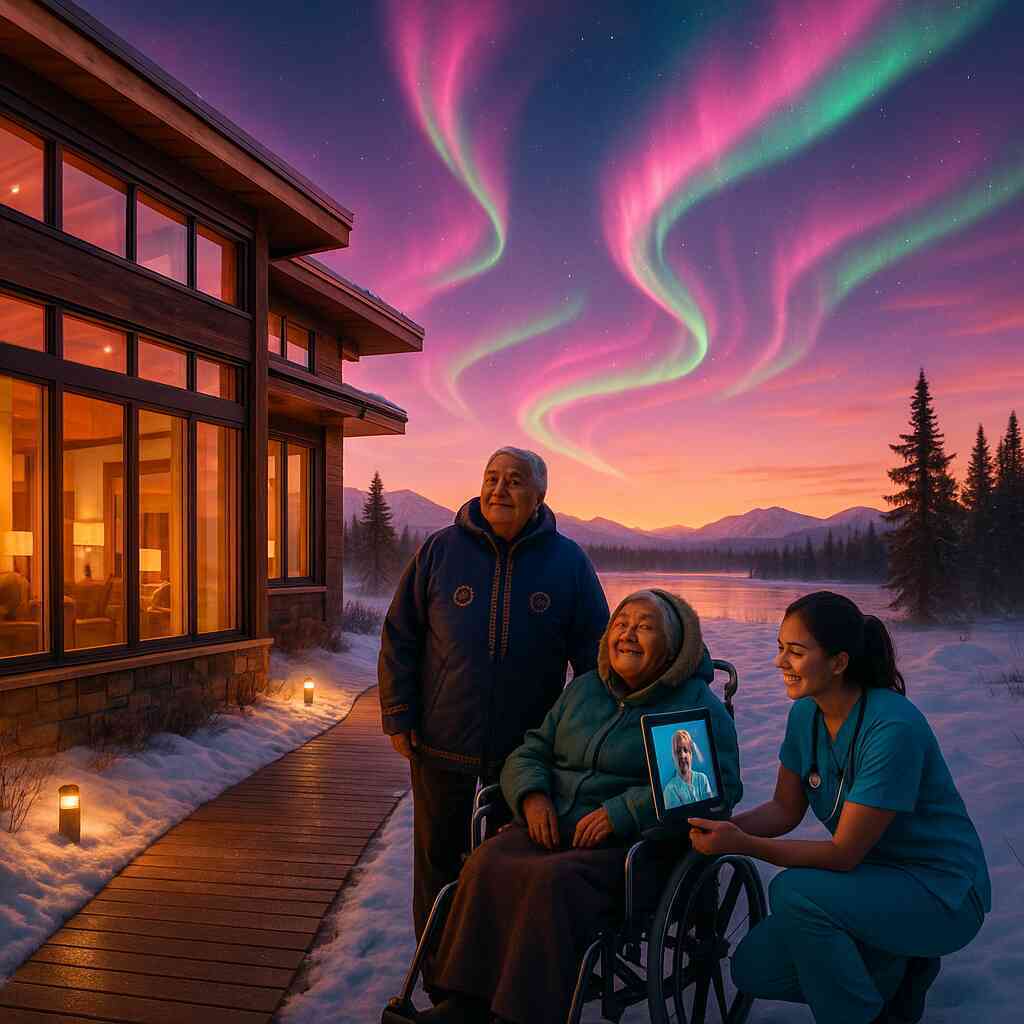
Defining Quality Care in Alaska’s Senior Living Facilities
Quality care is the phrase every brochure promises, yet in Alaska it carries special weight. Extreme weather, vast distances, and a diverse Indigenous heritage mean that a “good” community must offer more than a warm bed. This guide explains how senior living facilities in Alaska measure, deliver, and continuously improve care so families can make informed choices.
A Landscape in Rapid Transition
A decade ago many Alaskan residences resembled remote lodges; today they resemble wellness campuses. Operators have invested in tele-health suites, exercise studios, and cultural activity rooms. The goal is to let elders remain close to tundra, coast, or mountains they love while still receiving hospital-grade oversight.
Key shifts driving the change:
- Wider broadband access enabling virtual visits with cardiologists and neurologists.
- Collaboration with tribal health organizations to integrate traditional healing.
- Cold-climate design features—triple-pane windows, backup generators, and indoor walking tracks—that keep residents active year-round.
Why Metrics Matter
Alaska’s Department of Health publishes public scorecards summarizing infection rates, medication errors, and resident satisfaction. High-performing communities do more than pass inspections; they collect internal data weekly and act on it.
Common indicators you may review:
- Hospital readmission percentage within 30 days.
- Average response time to nurse call systems.
- Staff turnover and average years of service.
- Surveyed sense of belonging—often gauged by asking, “Do you feel this community is your home?”
Facilities that publish their numbers build trust and often see shorter vacancy periods. Transparency signals that leadership welcomes accountability.
Staffing: Ratios and Competency
Regulations set minimum nurse hours per resident, but leading operators in 2026 usually exceed them. Look for:
- At least one licensed nurse on site 24/7, even in small assisted-living homes.
- Cross-training in dementia care, diabetes management, and fall prevention.
- Regular skills labs where aides practice scenario-based care such as de-escalating sun-downing behaviors.
Ask how managers support retention. Paid continuing education, predictable schedules during snow season, and on-campus housing for staff in remote areas all correlate with consistent care.
Aligning Personal Values
Clinical excellence is critical, yet daily joy often stems from cultural fit. Elders who hunted, fished, or ran sled dogs may wither in a generic recreation program. When touring, consider:
- Is traditional food—salmon, seal oil, or caribou stew—available?
- Are activity calendars flexible enough to follow seasonal subsistence cycles?
- Do staff members greet residents in Yupik, Iñupiaq, or Tlingit when requested?
A short values checklist before visiting communities can save time and prevent disappointing moves.
Built for the Arctic
Quality also lives in the walls—literally. Buildings must withstand 40-below nights without wasting fuel. Features that support safety and comfort include:
- Insulated mechanical rooms that protect oxygen concentrators from freezing.
- Wide, heated garages for paratransit vans so residents board indoors.
- Sunrooms oriented south to capture daylight during short winters.
- Backup satellite phones for earthquakes or volcanic ash events.
These design points may not appear on a marketing sheet, but they keep care consistent when storms close airports.
Technology as a Bridge, Not a Barrier
Tele-health receives attention, yet simpler tools can be equally powerful. Electronic medication cabinets prevent missed doses during blizzard lock-ins, while wearable sensors notify nurses of nighttime wandering. Importantly, staff must know how to interpret the data and preserve human connection. Quality improves when technology augments, rather than replaces, face-to-face caregiving.
Questions to Ask on a Tour
- How do you measure resident well-being beyond medical charts?
- What was your most recent staffing turnover rate, and why do employees stay?
- Describe a cultural event you hosted last month.
- How long can the community operate self-sufficiently if supply routes close?
- May I see last quarter’s infection-control audit?
Clear answers reveal both preparedness and philosophy.
Continuous Improvement in the 49th State
Top facilities treat licensure as a baseline, not an endpoint. Many participate in peer collaboratives, share de-identified data, and invite resident councils to vote on policy changes. Some now publish annual quality reports mirroring hospital formats, complete with goals for the coming year. This culture of openness turns remote geography into a laboratory for innovation.
Key Takeaways
- Quality care in Alaska blends clinical rigor with cultural resonance and environmental resilience.
- Public scorecards and internal metrics provide objective starting points; always request the latest data.
- Staffing depth, cultural programming, and Arctic-ready infrastructure distinguish high performers.
- A well-prepared question list helps families uncover how each community lives its values day to day.
Choosing a senior living option in Alaska still requires travel and careful scheduling, but reliable information has never been more accessible. By focusing on measurable outcomes and personal priorities, families can find communities where elders not only stay safe, but continue to thrive under the Northern Lights.
How Senior Living Facilities in Alaska Define Quality Care


Comments
Post a Comment