Senior Living Facilities 55+: Guide to Modern Options Today
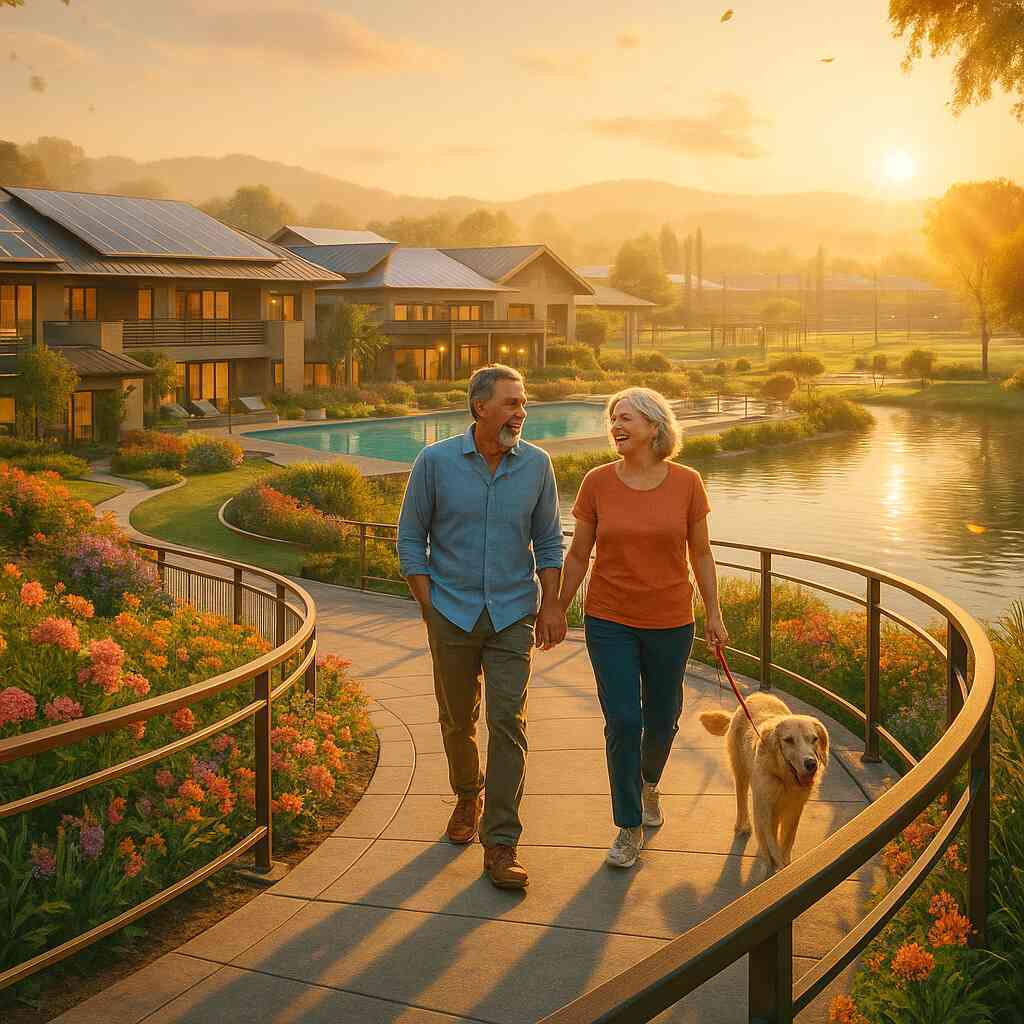
Finding the Right Senior Living Fit
Modern retirement looks less like slowing down and more like choosing where to focus fresh energy. This guide breaks down the leading housing models for adults 55 and older, explains why demand is soaring in 2026, and offers practical tips for comparing communities with confidence.
Why Interest Is Surging in 2026
- A larger, healthier boomer cohort. Millions are reaching 65 with longer life expectancy and active lifestyles.
- Desire for community. People want built-in social networks that fight isolation.
- Low-maintenance living. Freed from yardwork and repairs, residents spend time on travel, hobbies, and volunteering.
- Tech-forward design. Smart-home features, telehealth rooms, and renewable energy upgrades make new builds attractive and future-proof.
Core Housing Categories Explained
1. Luxury 55-Plus Communities
Think boutique resort more than retirement complex. Expect:
- Clubhouses with saltwater pools, spa services, and demonstration kitchens.
- Full event calendars: wine tastings, rooftop concerts, sunset kayaking trips.
- Concierge teams that manage deliveries, reservations, and pet care while residents are away.
- Predictable monthly fees that wrap most services into one payment.
Ideal for: Adults eager to upsize lifestyle while downsizing chores, and who are comfortable with higher price points.
2. Maintenance-Free Homes
Often single-story cottages or townhomes clustered around a modest clubhouse.
- Landscaping, snow removal, and exterior upkeep handled by staff.
- Interiors emphasize practicality: step-free entries, wider doorways, easily reached cabinets.
- Fees are lower than luxury campuses but still cover common-area upkeep.
Ideal for: Middle-income retirees who value freedom from repairs more than resort amenities.
3. Age-Restricted Independent Living
These rental apartments or condominiums limit residency to people 55 or 62 and older.
- Social programming centers on shared generational interests—think classic-rock dance nights or pickleball leagues.
- On-site health clinics often partner with geriatric providers for wellness screenings.
- Local zoning usually reduces school taxes, keeping costs competitive.
Ideal for: Active adults looking for an immediate peer network without long-term purchase commitments.
4. Continuing Care Retirement Communities (CCRCs)
A single campus offering independent living, assisted living, and skilled nursing.
- Residents enter while healthy and transition to higher care levels if needed.
- Entrance fees can be substantial but protect access to future care.
Ideal for: Couples who prefer one move for life and who can afford the upfront commitment.
Features That Matter Most
Accessible Design
- Step-in showers with grab bars
- Lever handles instead of knobs
- 36-inch doorways for walkers and wheelchairs
Smart design ensures the home remains livable even if mobility changes.
Pet-Friendly Policies
Companions boost mental health. Look for fenced dog parks, on-site grooming stations, and trails with resting spots.
Safety & Security
- 24/7 staffed gates or key-fob entry
- Emergency call systems in each unit
- Well-lit walking paths and elevators with backup power
These details protect independence without sacrificing peace of mind.
Budgeting: What to Expect
- Monthly rent or HOA fee. Covers building maintenance, common-area utilities, and social programming.
- One-time community or entrance fee. More common in CCRCs and some luxury campuses.
- A la carte services. Housekeeping, meal plans, or personal care can usually be added later.
Tip: Review the fee schedule line by line. Ask when and how often rates are adjusted to avoid surprises.
Touring Like a Pro
Use this five-point checklist during visits:
- Talk to current residents when staff are not present. Candid feedback is invaluable.
- Attend an activity to gauge energy and participation.
- Taste a meal. Dining quality shapes daily satisfaction.
- Test Wi-Fi strength in apartments and common areas.
- Read the residency agreement twice—once alone, once with a trusted advisor.
Questions to Ask Sales Directors
- What is your resident turnover rate?
- How do you incorporate resident feedback into programming?
- Are pets of all sizes allowed, or only small breeds?
- How often are fees increased, and by what average percentage?
- What emergency medical protocols are in place on evenings and weekends?
Preparing for a Smooth Transition
- Downsize early. Sorting belongings takes time and emotional bandwidth.
- Schedule overlapping utilities. Keep the former home active for a few days after the move to reduce stress.
- Update legal documents. New addresses should appear on wills, insurance, and Medicare records.
- Plan a trial stay. Many communities offer furnished guest suites. A weekend visit can confirm fit before signing leases.
Key Takeaways
- Senior living facilities in 2026 offer more choice, customization, and technology than ever before.
- Align community type with lifestyle goals and long-term health plans.
- Focus on accessibility, pet policies, and transparent fee structures when comparing options.
- A thoughtful tour strategy and early planning reduce surprises and increase satisfaction.
Modern senior living is not about giving up space; it is about gaining possibilities. By understanding the spectrum of housing models and knowing the right questions to ask, adults 55 and better can step into a vibrant next chapter with confidence.
Best Senior Living Facilities for Seniors 55+ Explained


Comments
Post a Comment