Senior Living Facilities Ignite Purpose and Well-Being Daily
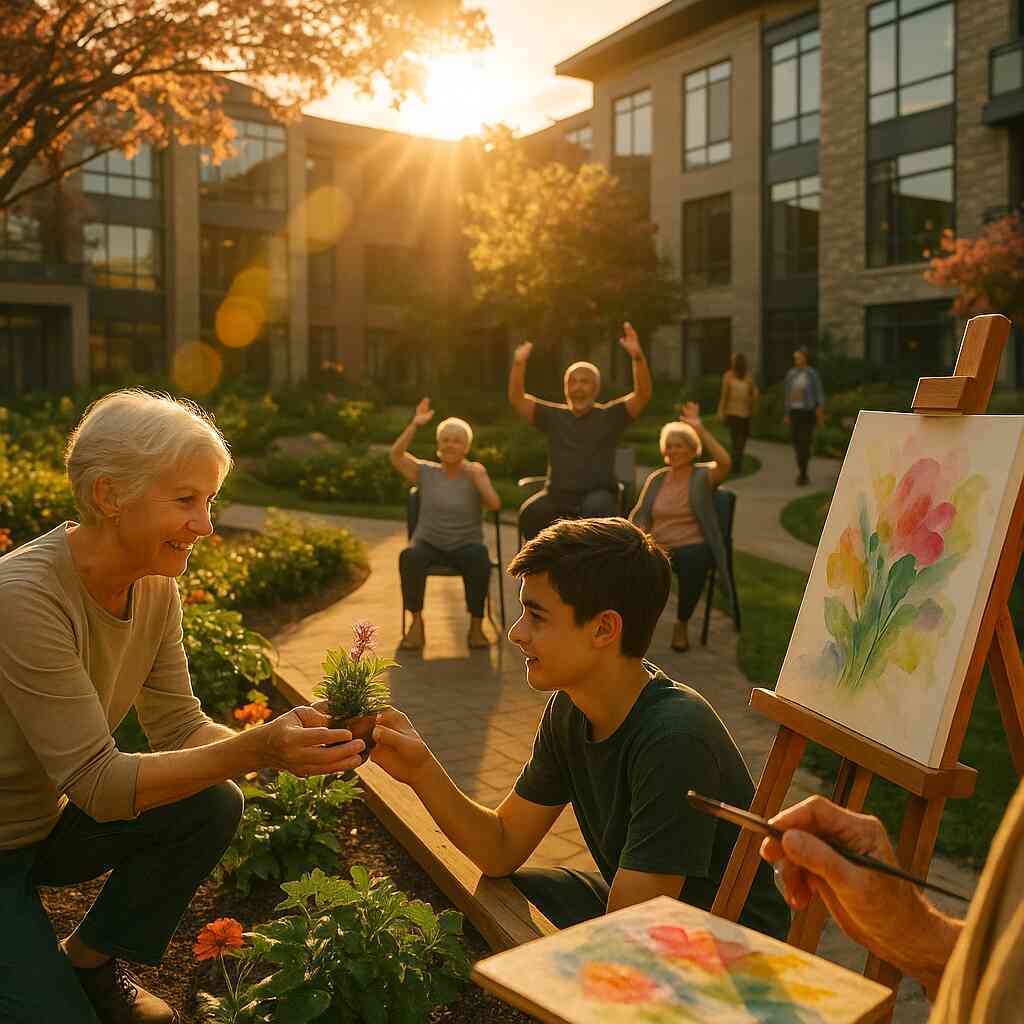
Older adults thrive when each day holds meaning. Purposeful routines strengthen immunity, lift mood, and protect cognitive health. Forward-thinking senior living facilities understand this link and design environments where residents wake up eager for what comes next.
Purpose Starts Before Move-In
The search process itself can set the tone for a purposeful retirement. When families tour a community they now look beyond square footage and meal plans. They ask:
- How are resident interests discovered and recorded?
- Which programs are led by residents rather than staff?
- What volunteer or intergenerational options exist?
Communities that answer these questions clearly usually follow through after move-in. Life-enrichment teams schedule pre-arrival interviews, gathering information on hobbies, careers, and causes that matter to the newcomer. This data informs the first month of events, reducing the "new kid" isolation that sometimes accompanies relocation.
Resident-Led Engagement
A true sense of purpose grows when older adults drive the agenda. Many campuses now run elected resident councils that meet weekly and control a discretionary budget. Ideas move from proposal to event quickly, whether it is a neighborhood clean-up or a rooftop container garden. When peers see their suggestions printed on the community calendar, participation rises naturally.
Collaboration extends to specialized clubs:
- Pickleball leagues that adapt rules for different mobility levels
- Podcast circles where alumni interview each other about life lessons
- Culinary committees that plan regional tasting nights with dietitian input
- Craft cooperatives that sell handmade goods and donate proceeds to charity
These groups not only fill time; they reinforce identity and mastery. A retired teacher mentors staff children after school. A former accountant helps neighbors set up a household budget. Purpose becomes visible, fueled by lived expertise.
Integrating Purpose Into Care Plans
Health teams increasingly view engagement goals as clinically significant. During regular care conferences nurses and therapists ask about personal ambitions alongside blood pressure and medication reviews. Examples include:
- Regaining strength to play piano at Sunday service
- Practicing fine-motor skills so a painter can hold smaller brushes
- Adjusting oxygen equipment to allow participation in the garden club
When therapy milestones align with passion projects, motivation soars and clinical outcomes often improve. Even residents managing complex conditions benefit. Stroke survivors dictate memoirs using speech-to-text software, and wheelchair users cultivate vegetables at raised beds. The focus shifts from what someone cannot do to what they still want to accomplish.
Purpose in Higher-Acuity Settings
Long-term care wings once carried a reputation for purely custodial routines. That picture is fading. Many skilled-nursing neighborhoods now feature:
- Supervised woodworking studios with adaptive tools
- Sensory art rooms that offer tactile projects for dementia support
- Virtual-reality stations that let users "visit" national parks or family hometowns
Safety remains paramount, yet creativity is no longer sacrificed. A resident who adored hiking may now explore digital mountain trails with a rehab therapist, sparking conversation and joy despite physical limits.
Community Connections Outside the Gate
Purpose often deepens when residents contribute beyond the campus. Common outreach initiatives include:
- Pen-pal programs with local elementary schools
- Food-bank sorting crews organized through onsite volunteer coordinators
- Environmental partnerships such as shoreline clean-ups or pollinator gardens
These activities fight ageism by placing older adults in visible, valued roles. They also weave the facility into the fabric of surrounding neighborhoods, benefitting everyone involved.
Measuring Impact
Facilities track more than attendance numbers. Surveys now ask residents to rate how often they feel:
- Energized by upcoming events
- Useful to others
- Recognized for individual talents
High scores correlate with lower depression rates and fewer unplanned hospital visits. Families notice the difference during calls and visits; loved ones speak about projects, not just meal choices.
Tips for Families Choosing a Purpose-Focused Community
- Review the activity calendar and note how many sessions are peer-led.
- Ask how personal histories are captured and updated.
- Observe common areas: do you see resident artwork, volunteer sign-up sheets, or homegrown produce on display?
- Inquire about partnerships with schools, nonprofits, or cultural groups.
- During trial stays, request participation in a club that matches the prospective resident’s passion.
Looking Ahead
Purpose is rapidly moving from perk to prerequisite in senior living design. Communities that embed meaning into architecture, staffing, and clinical protocols will set the standard for healthy aging in 2026 and beyond. For older adults and their families, that shift offers reassurance that the next chapter can be as vibrant as any that came before.
Finding the right environment still requires thoughtful research, but the pay-off is enormous: mornings filled with anticipation, afternoons spent in good company, and evenings buoyed by a sense of contribution. In short, a daily life that feels not just safe, but significant.
How Senior Living Facilities Near You Foster Purpose Daily


Comments
Post a Comment